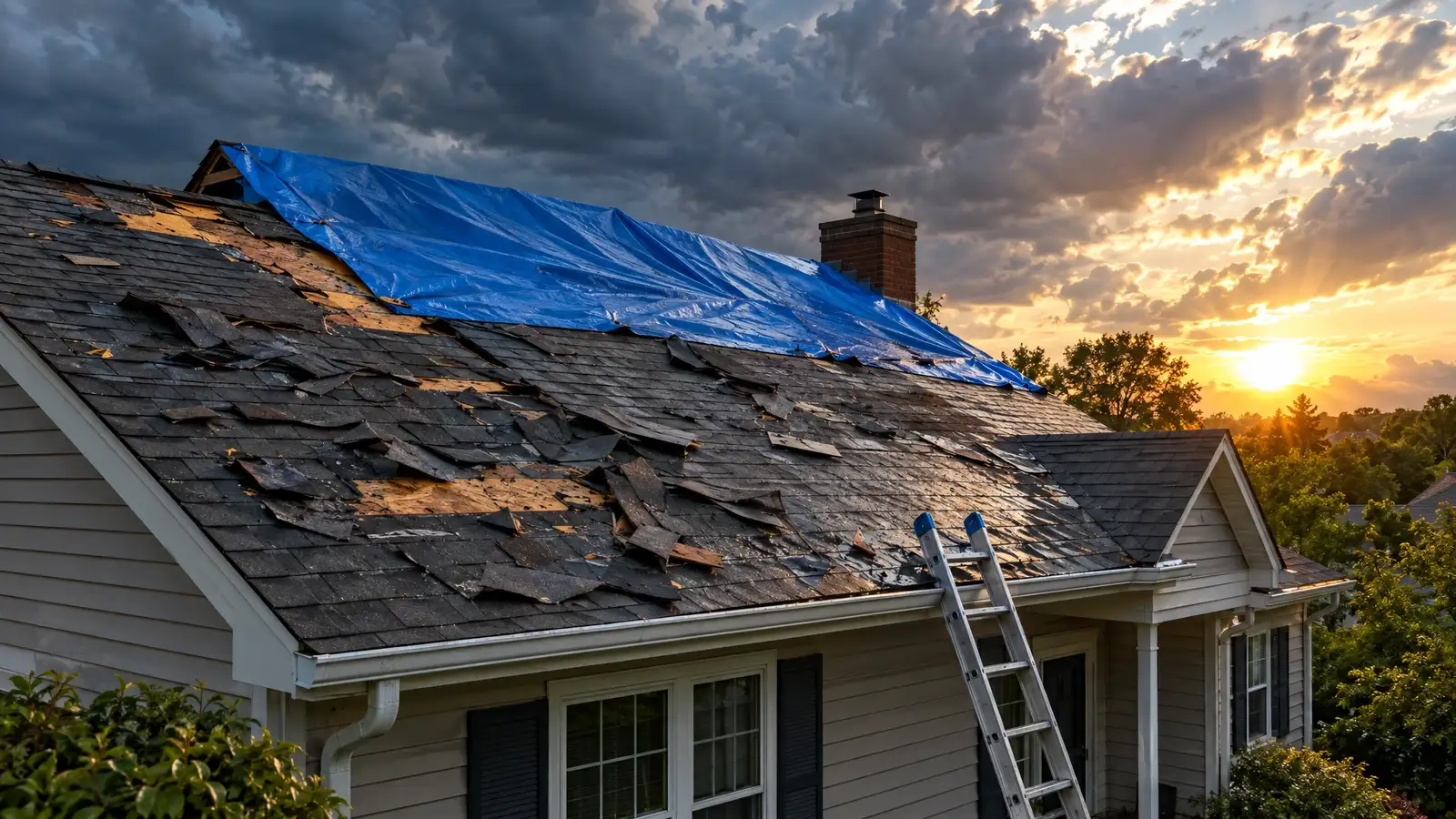
The short version
- Stay safe first and avoid climbing on the roof
- Protect belongings and limit further water entry
- Photograph everything from the ground
- Get an inspection before the next rain
Safety first
Stay away from downed power lines and leaning trees, and do not climb on a damaged roof. If you see structural damage or smell gas, leave and call emergency services. Ceilings that sag with water can collapse, so keep clear.
Roofs are slick and fragile after storms.
Limit further damage
Move belongings away from leaks, place buckets and, if you can safely reach a ceiling bulge, relieve it carefully by puncturing to let water drain. Temporary tarps should be installed by people equipped to do so safely.
Keep receipts for emergency measures.
Document
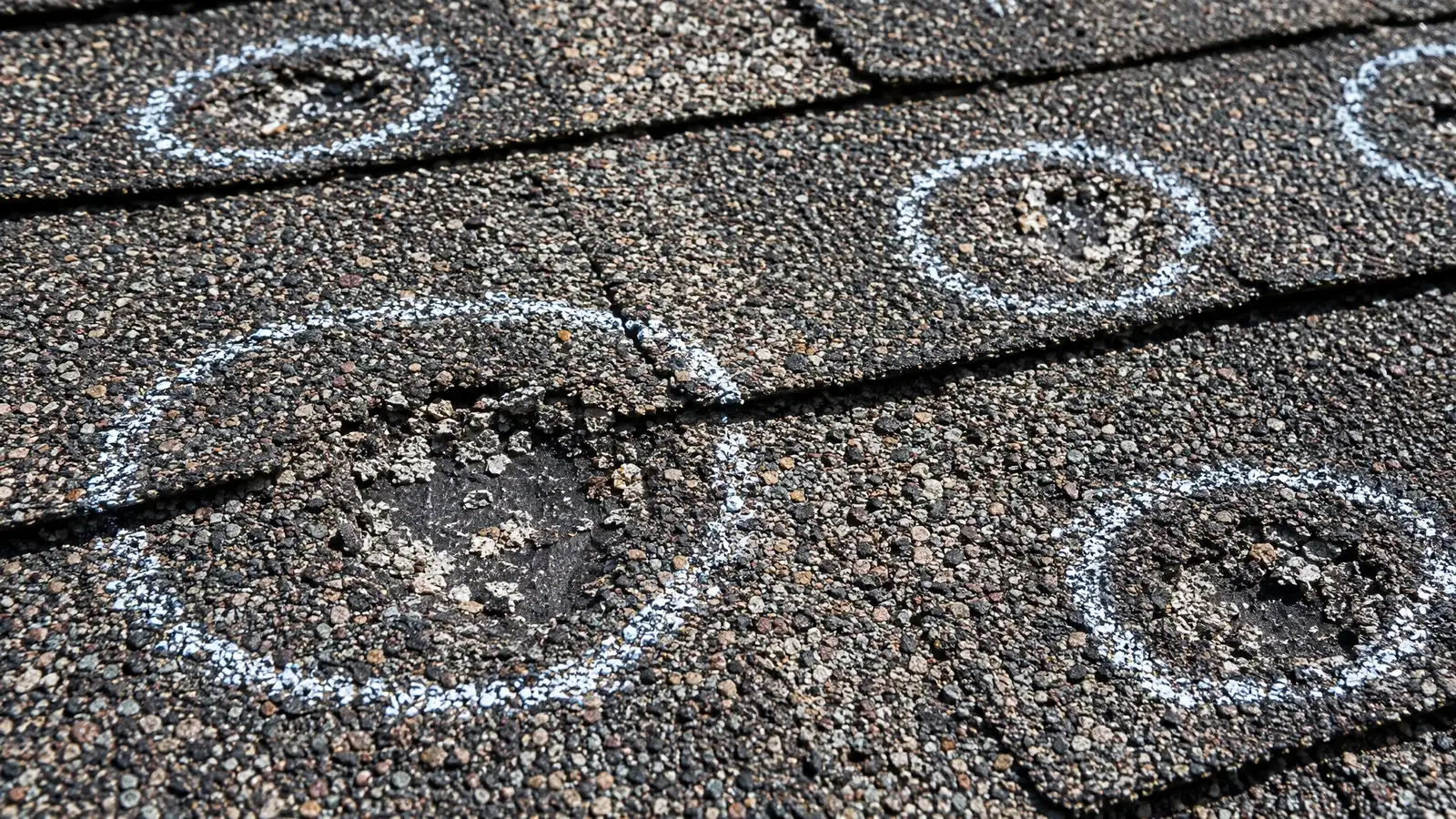
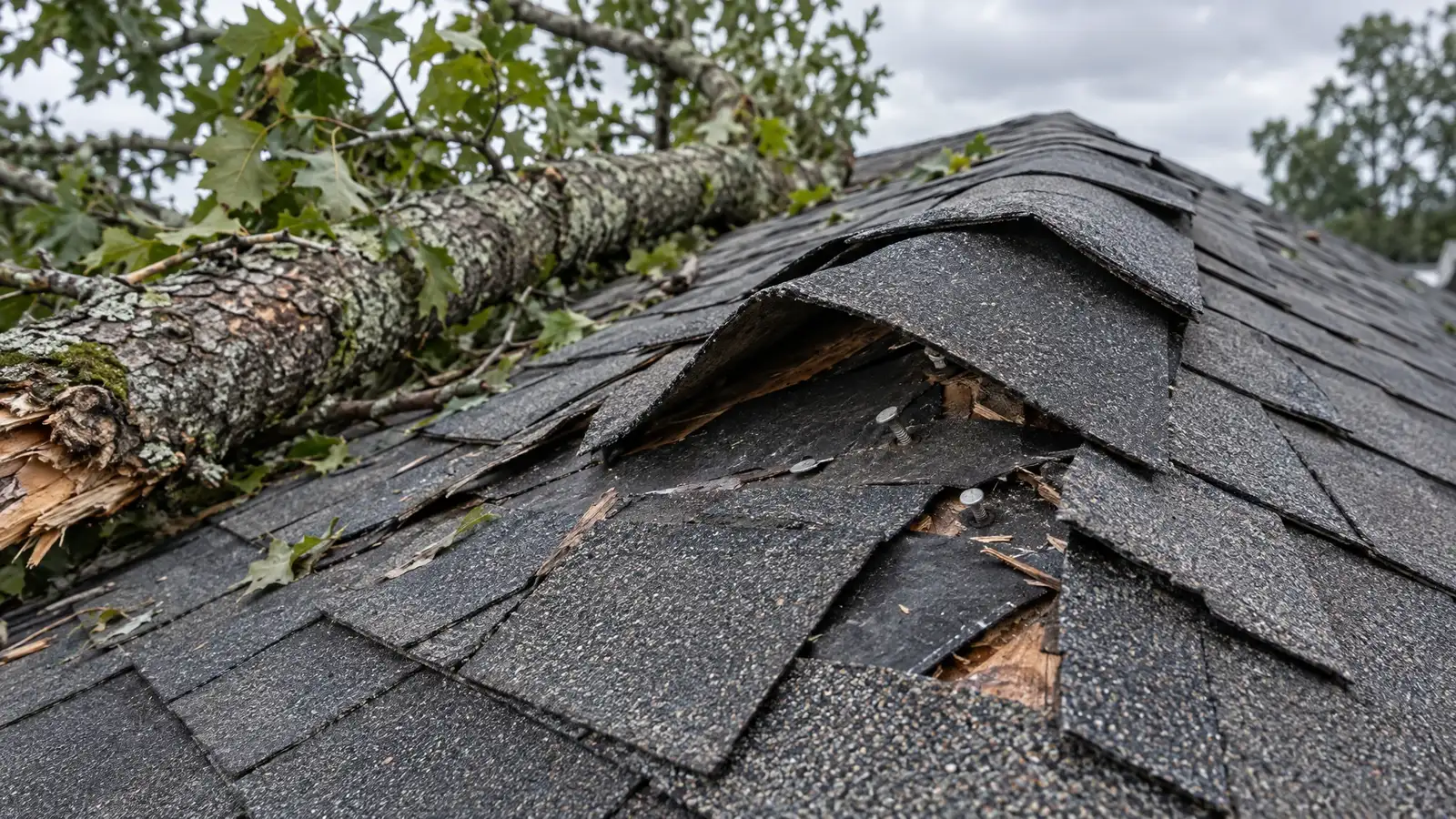
Photograph the roof, yard debris, damaged items and interior water signs from safe positions. Note the date and time and the storm’s details. These records help with repairs and any insurance discussion.
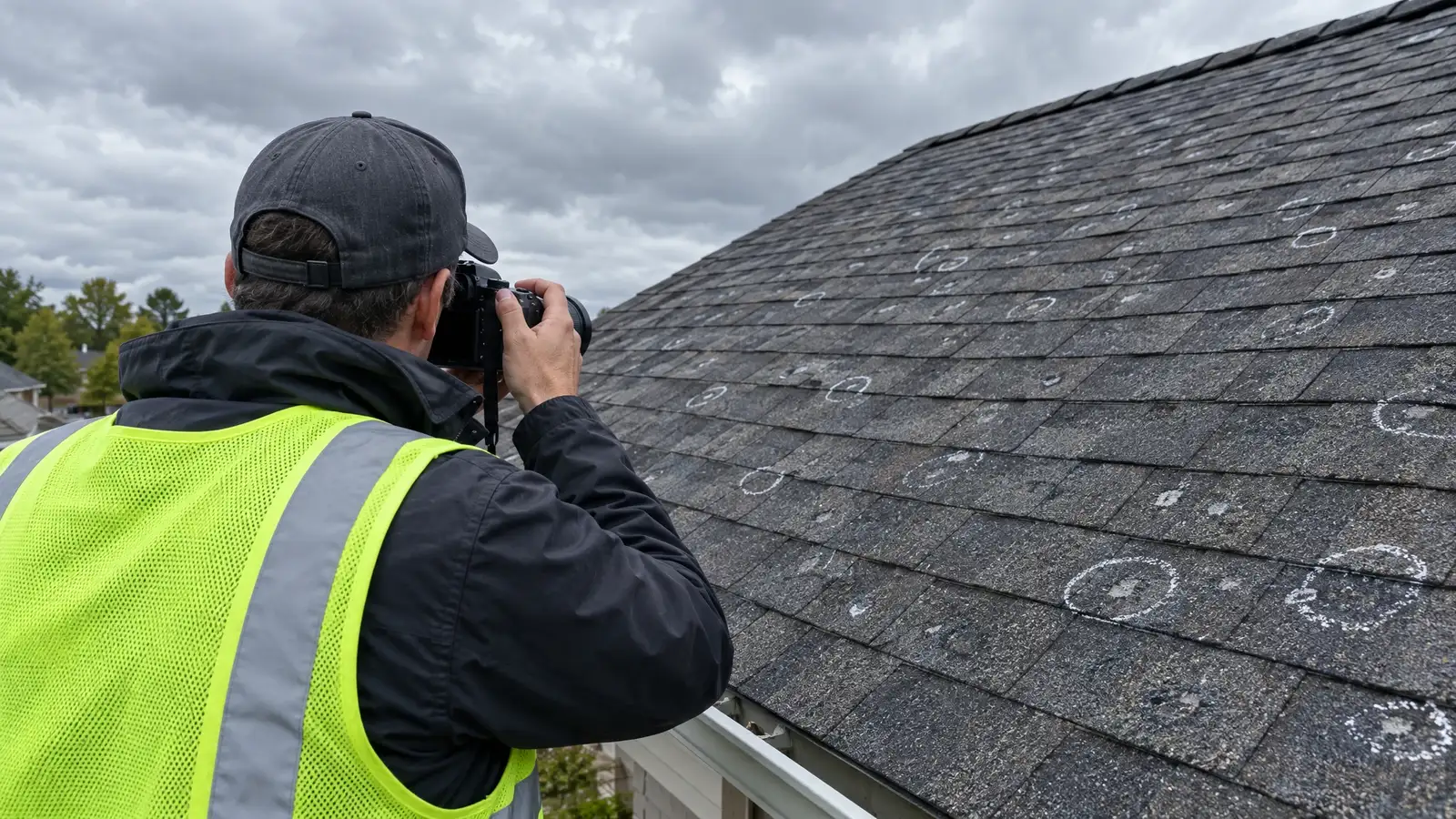
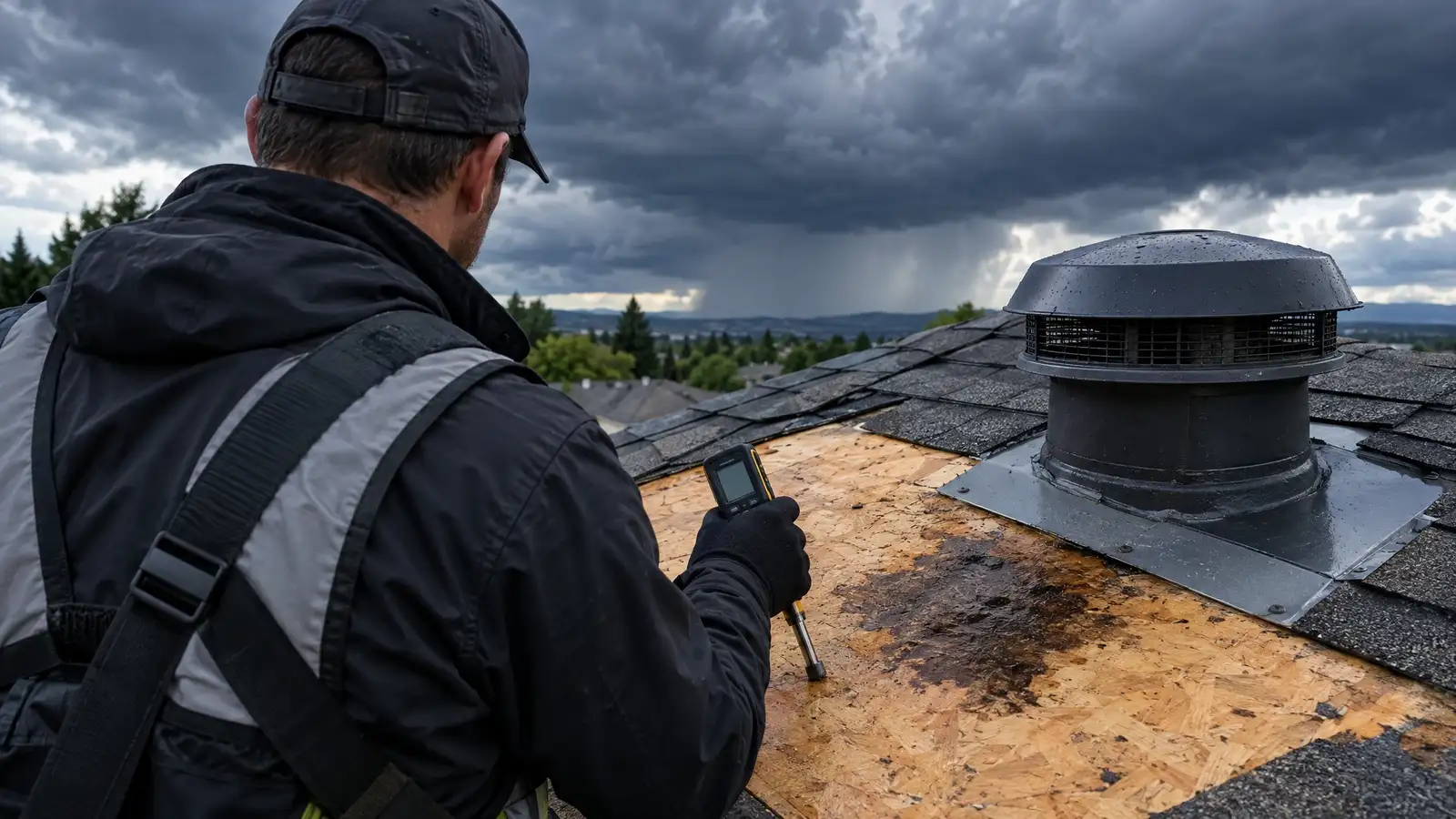
A professional inspection adds close-up documentation.
Inspect and decide
Have the roof inspected promptly, ideally before the next rain. The report shows what is damaged and what is urgent. Then you can talk to your insurer and request repair bids with confidence.
Be cautious of anyone pressuring you to sign quickly.
General information, not engineering, legal, insurance or safety advice. Roofs, policies and local requirements vary, and every roof should be judged on its own condition.