The short version
- An inspection provides documentation, not coverage decisions
- Dated photos and clear descriptions help
- Inspectors are not adjusters or advocates
- Know your policy’s deadlines and deductibles
What an inspection contributes
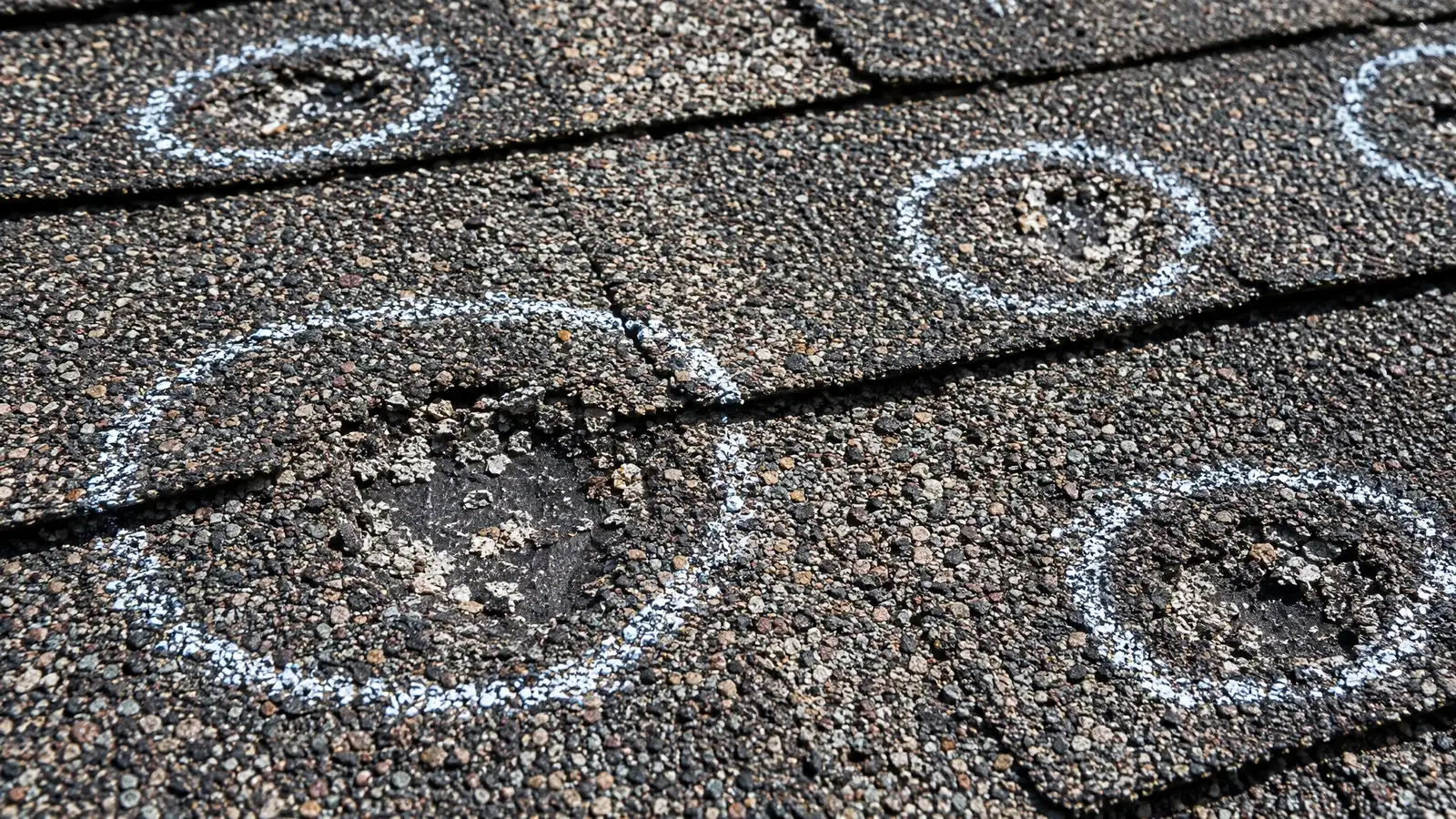
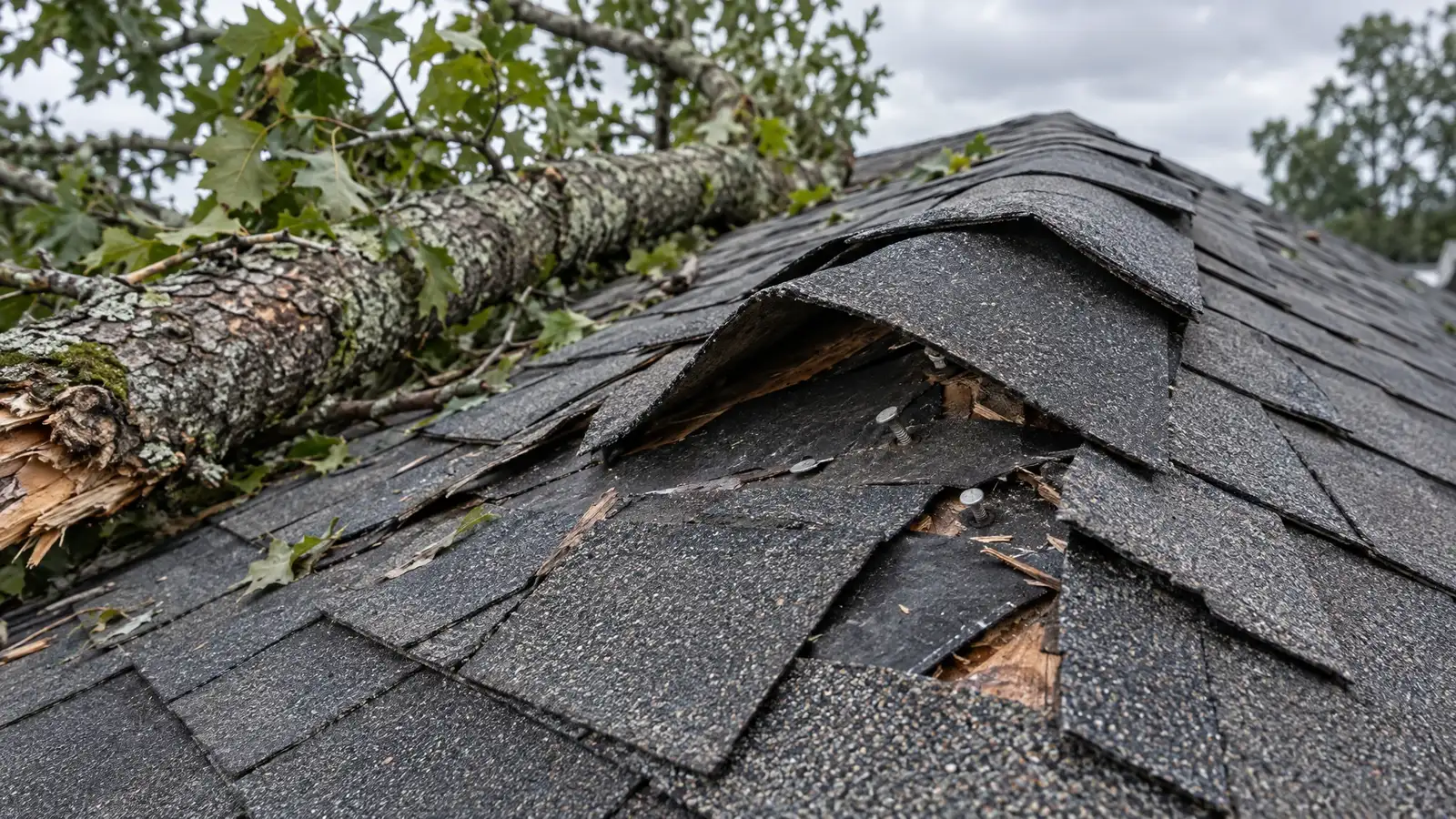
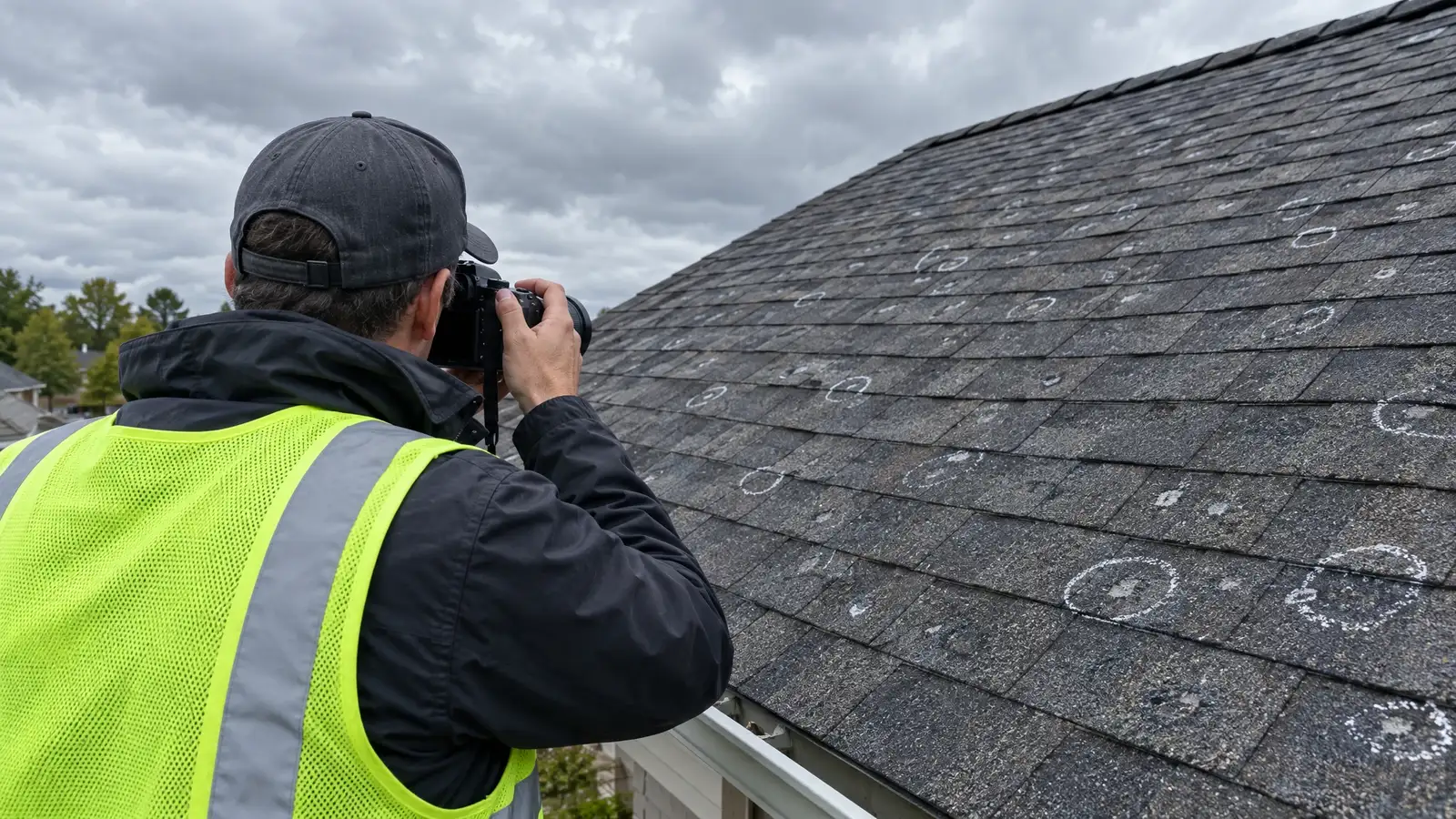
An inspection provides a detailed, organized record of roof condition: close-ups of damage, a map of where it is and objective descriptions. That record helps you describe your roof accurately and helps others understand what is there.
It does not determine whether the damage is covered.
How claims work
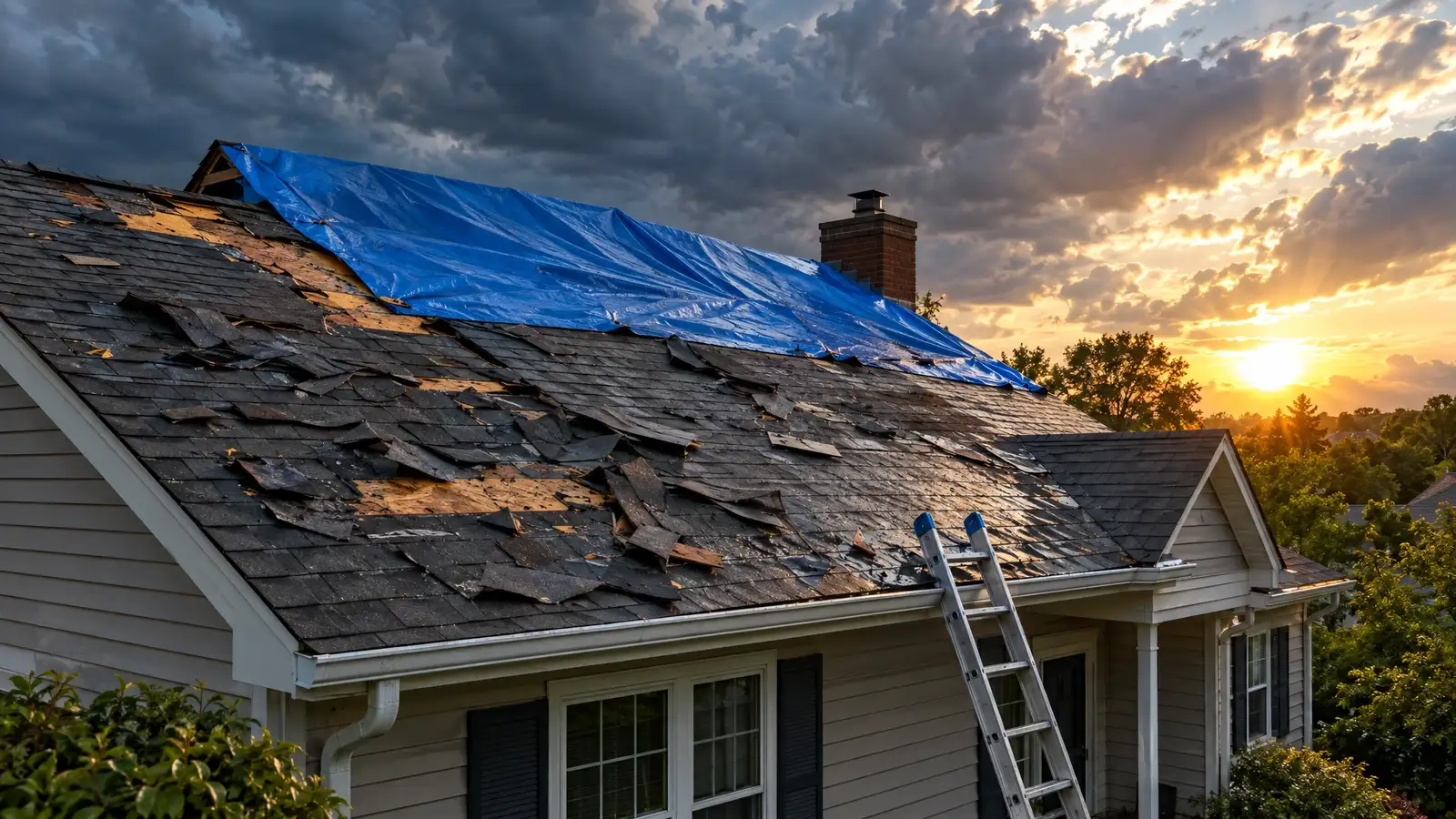
You report the loss, the insurer assigns an adjuster, and the adjuster inspects and decides what is covered under your policy. Policies differ in deductibles, depreciation, deadlines and exclusions. Reading yours before a storm is wise.
Claim decisions are made by the insurer.
Choosing the right help
Be careful with anyone who promises a claim will be approved or who asks you to sign over your rights. An inspector who documents condition and does not sell roofs or negotiate claims keeps their role clear.
Ask who a person works for and how they are paid.
Using the report
Share the report with your contractor to scope repairs, and with your insurer if you wish. Keep a copy for your files. If you disagree with an insurer’s findings, a clear report supports a conversation.
Legal and public-adjuster questions belong with qualified professionals.
General information, not engineering, legal, insurance or safety advice. Roofs, policies and local requirements vary, and every roof should be judged on its own condition.