
Rooftop Equipment and Penetration Inspection in Nashville, TN
Inspection of HVAC curbs, pipe penetrations, pitch pockets, conduit supports, vents and hatches, the details that cause a large share of commercial roof leaks.
- Commercial Roof Inspections
- Walked and photographed
- Middle Tennessee
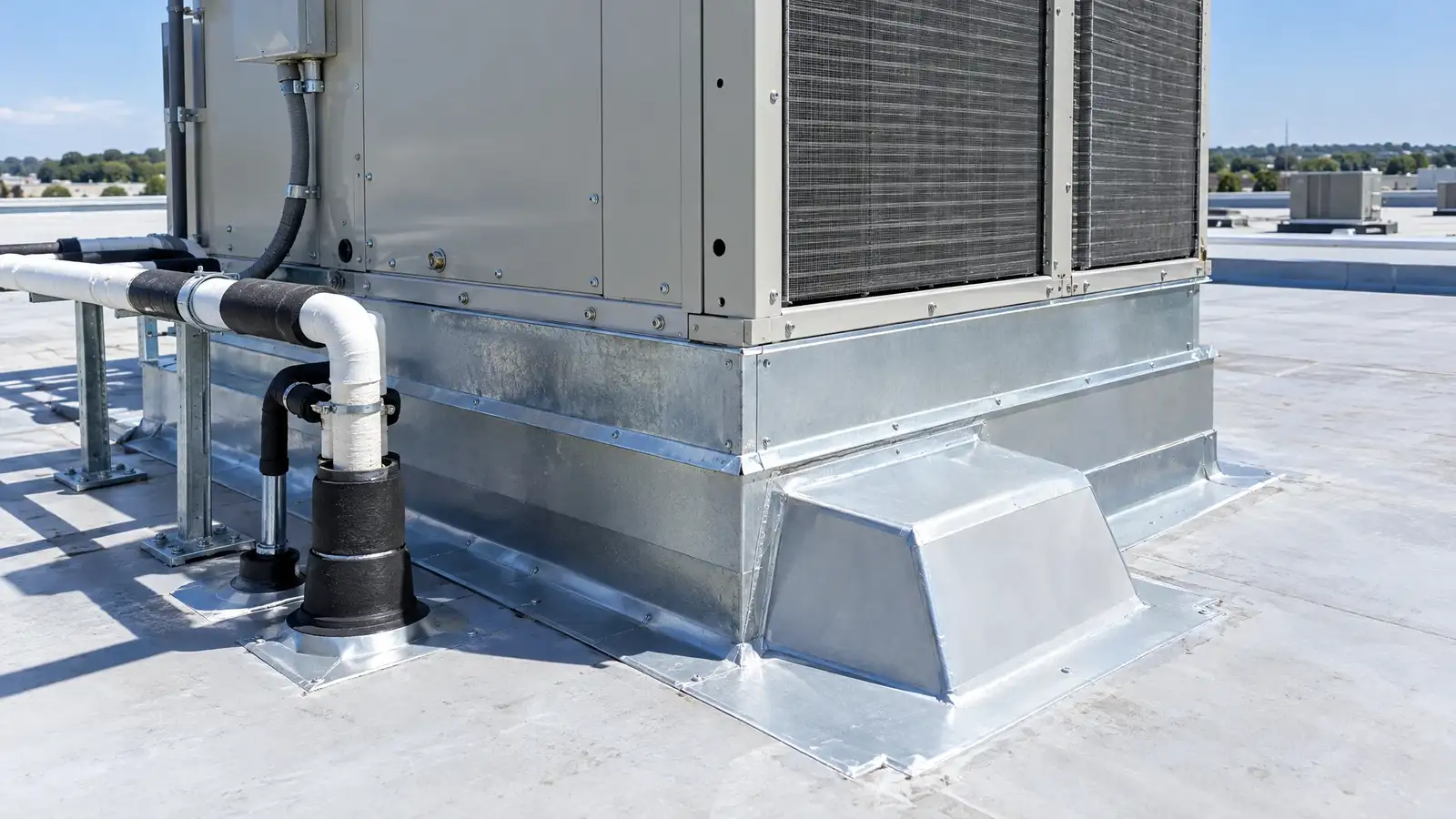
Rooftop Equipment and Penetration Inspection, explained.
Every hole in a roof is a leak waiting to happen. HVAC curbs, refrigerant lines, conduits, gas pipes, vent stacks, roof hatches and satellite mounts all penetrate the membrane and depend on flashing, sealant and good workmanship. Service technicians can also damage the roof by walking on it or dropping tools.
We inspect each curb and penetration: flashing laps, sealant, fasteners, pipe supports, pitch pockets and the membrane around them. We note damage from foot traffic and equipment service. The report lists each penetration, its condition and its repair priority, so the weakest links are fixed first.
Signs this service fits
- There are many HVAC units or pipes on the roof
- Leaks appear near rooftop equipment
- Service crews visit the roof often
- A new unit was recently installed
A good fit, and what to know.
We would rather you hear the limits from us than discover them later.
A good fit when
- Your roof has lots of equipment
- You want to prevent leaks at details
- You have seen damage after service visits
Worth knowing
- Hidden moisture may need infrared or moisture mapping
- Repairs belong to a roofing contractor
Why do it this way.
The leakiest details checked
Penetrations cause a large share of leaks.
Equipment traffic assessed
Service wear is documented.
Itemized report
Each curb and pipe is accounted for.
Preventive focus
Fix details before they leak.
Before and after: flashing: dry-looking to leak found
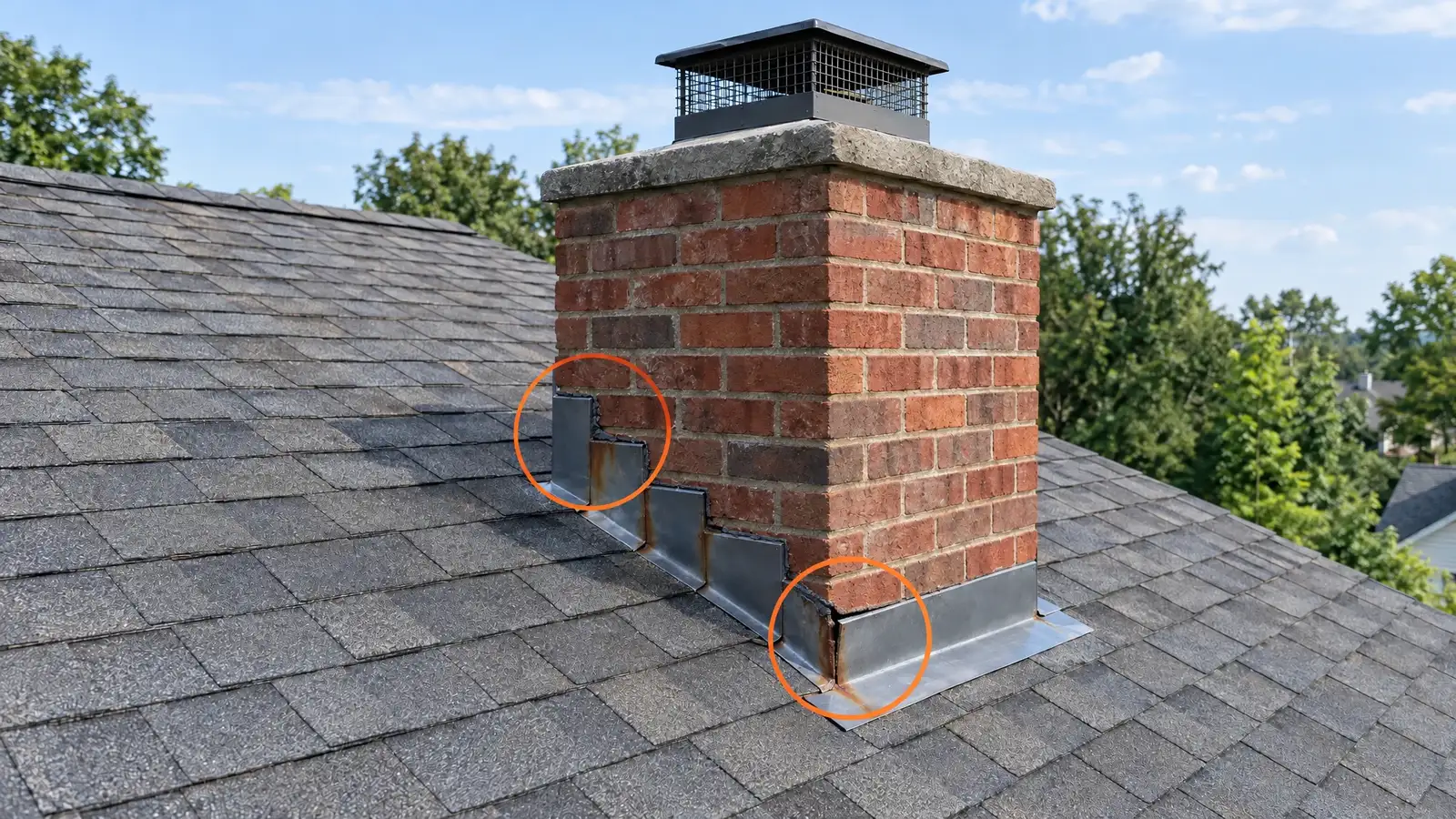
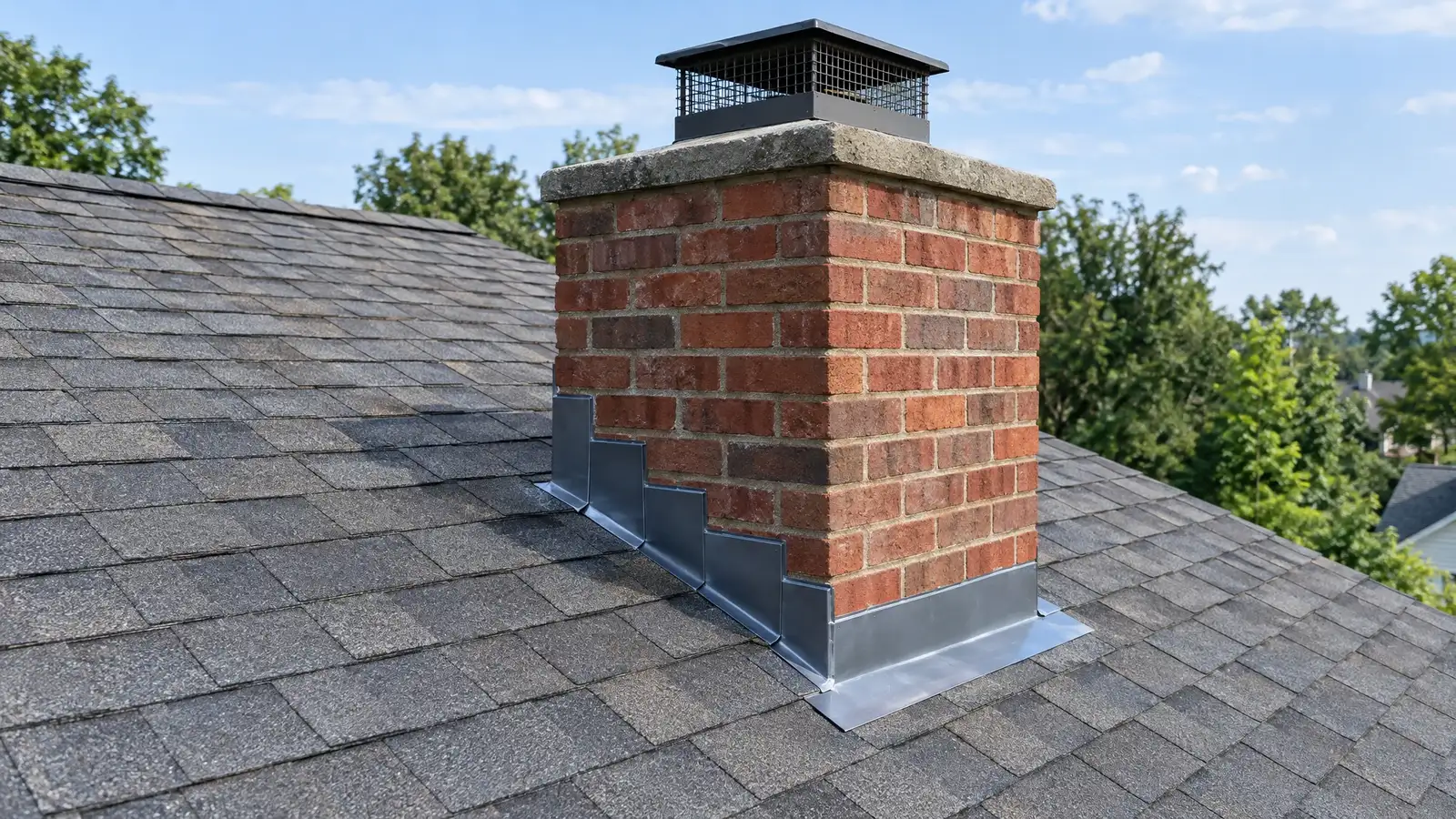 RevealedSurface view
Illustrative scene created to show what a surface view hides and what an inspection reveals. Drag the handle to slide between them.
From first look to finished report.
A clear sequence for every visit.
- 01
Inventory penetrations
We locate and list each curb, pipe, vent and support.
- 02
Inspect each detail
Flashing, sealant, fasteners and surrounding membrane are checked.
- 03
Assess traffic damage
We look for wear, punctures and ponding around equipment.
- 04
Prioritized list
Each penetration is rated so repairs follow risk.
Services that go together.
 B-01CommercialCommercial Roof InspectionThorough inspections of commercial roofs of every type, with drone coverage, close-up photos and a written condition report you can budget from.Hands-on visual
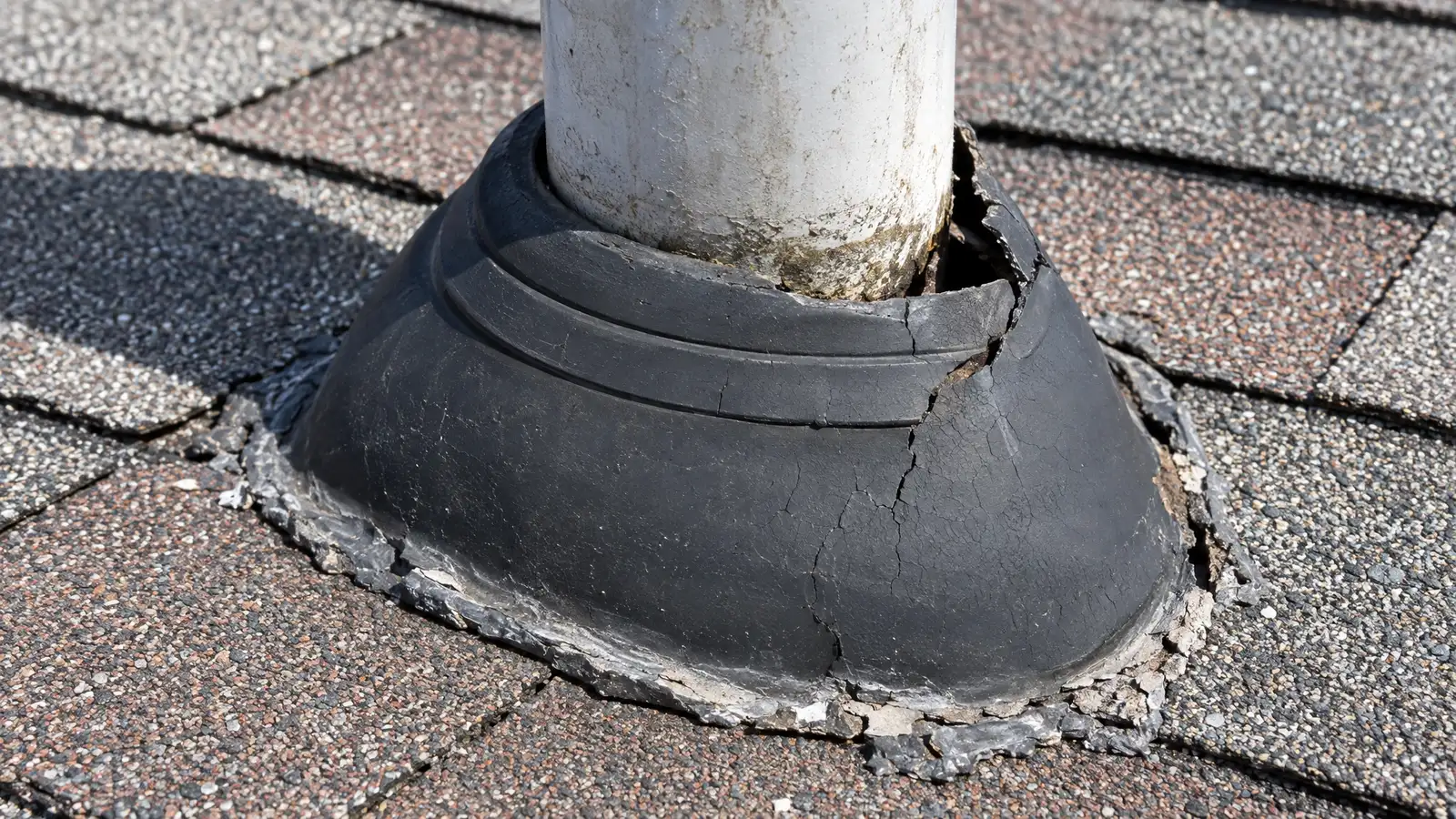 C-12Leak DetectionVent Boot & Penetration LeaksAn inspection of plumbing vent boots, exhaust vents, satellite mounts and other small penetrations where cracked rubber and dried sealant let water in.Moisture and water test
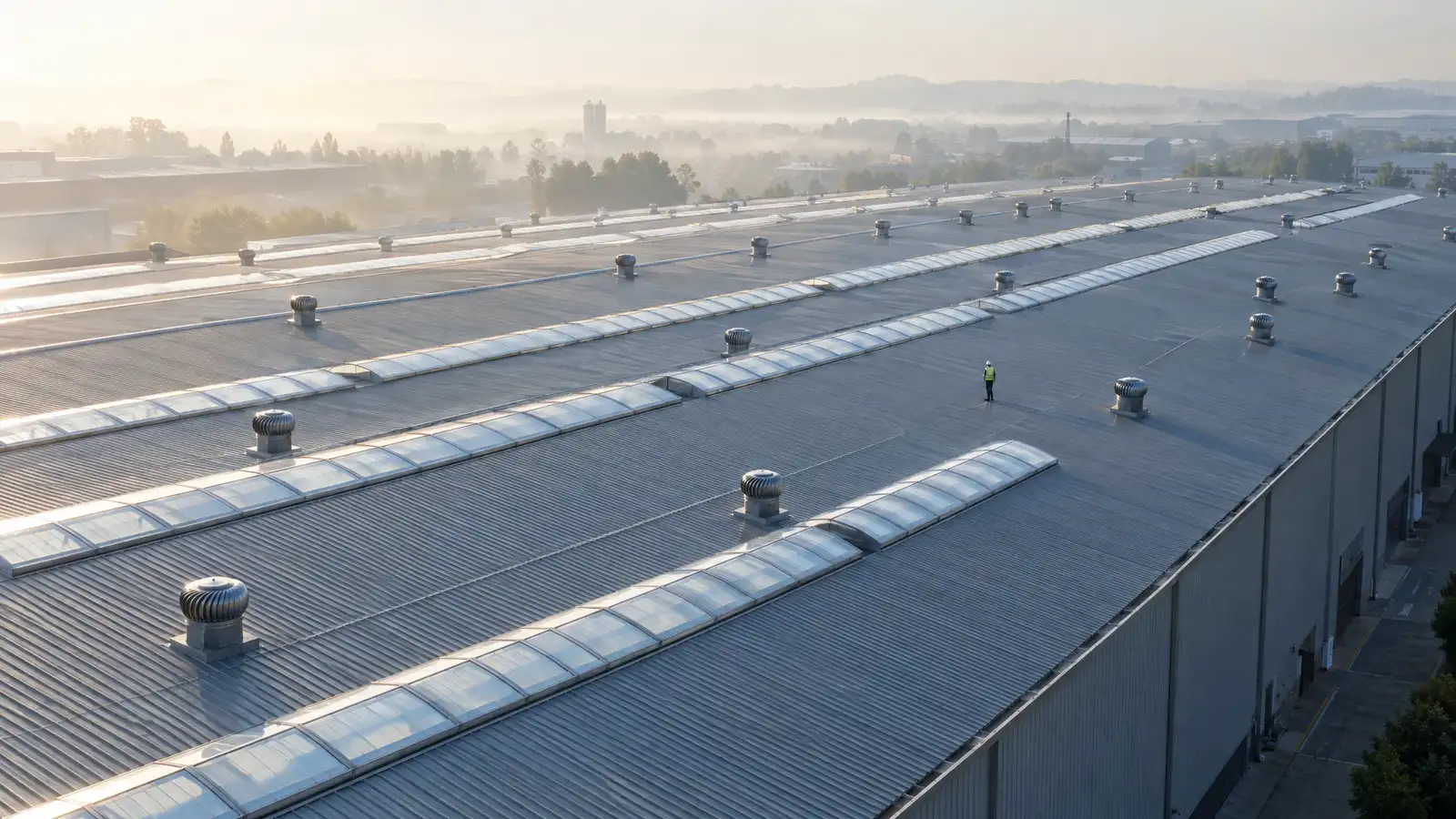 B-08CommercialWarehouse & Industrial RoofsInspection of large industrial roofs: skylights, ventilators, expansion joints, penetrations, drainage and the metal or membrane surface, with drone coverage and mapped findings.Hands-on visual
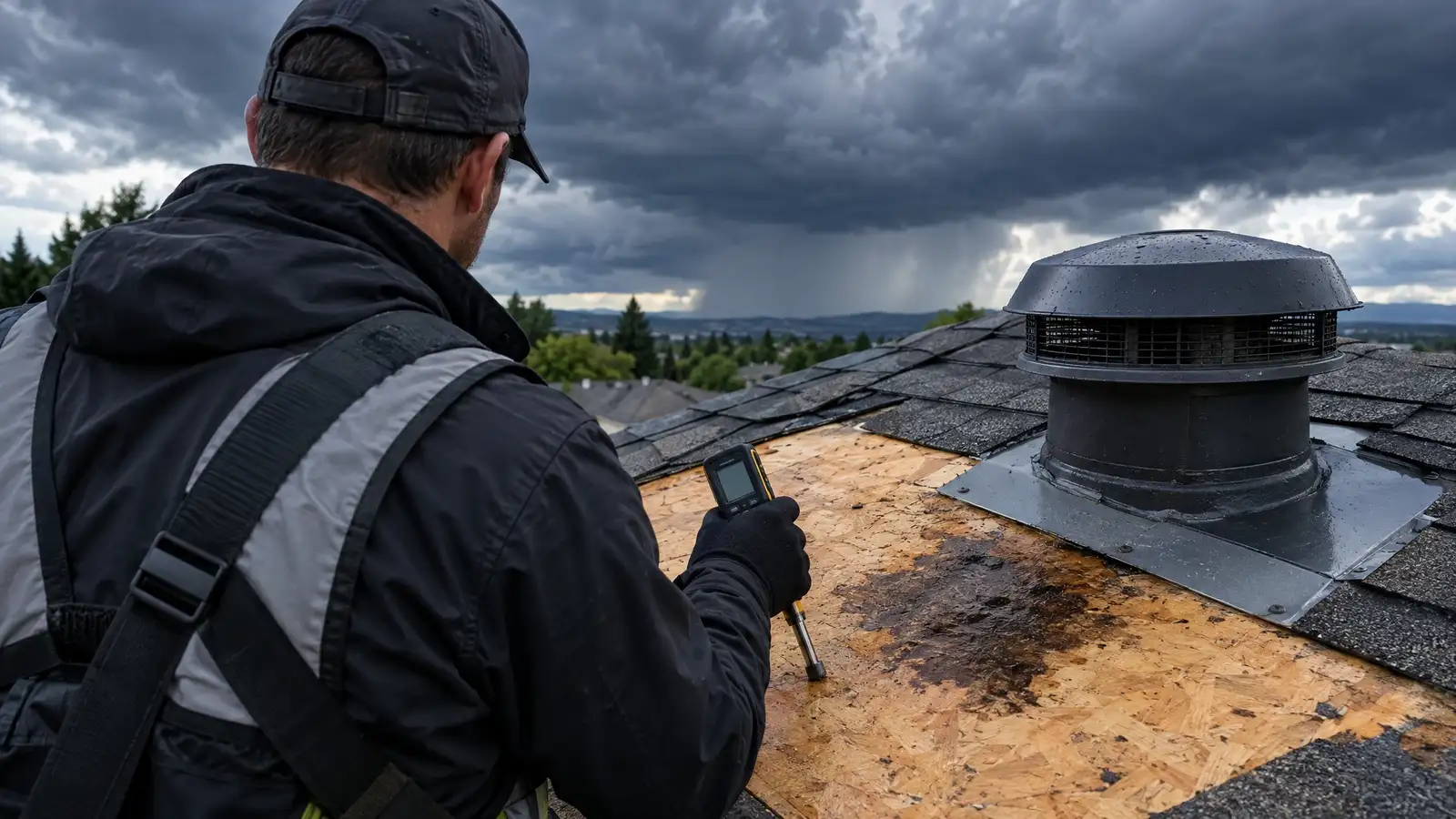 C-01Leak DetectionRoof Leak DetectionA systematic investigation that traces water from the stain on your ceiling back to the exact opening in the roof, using inspection, moisture meters, water testing and thermal imaging.Moisture and water test
Read more on this topic.
Rooftop Equipment and Roof LeaksHow HVAC units, pipes and supports create leak risk, and how to protect the roof around them.2 min read 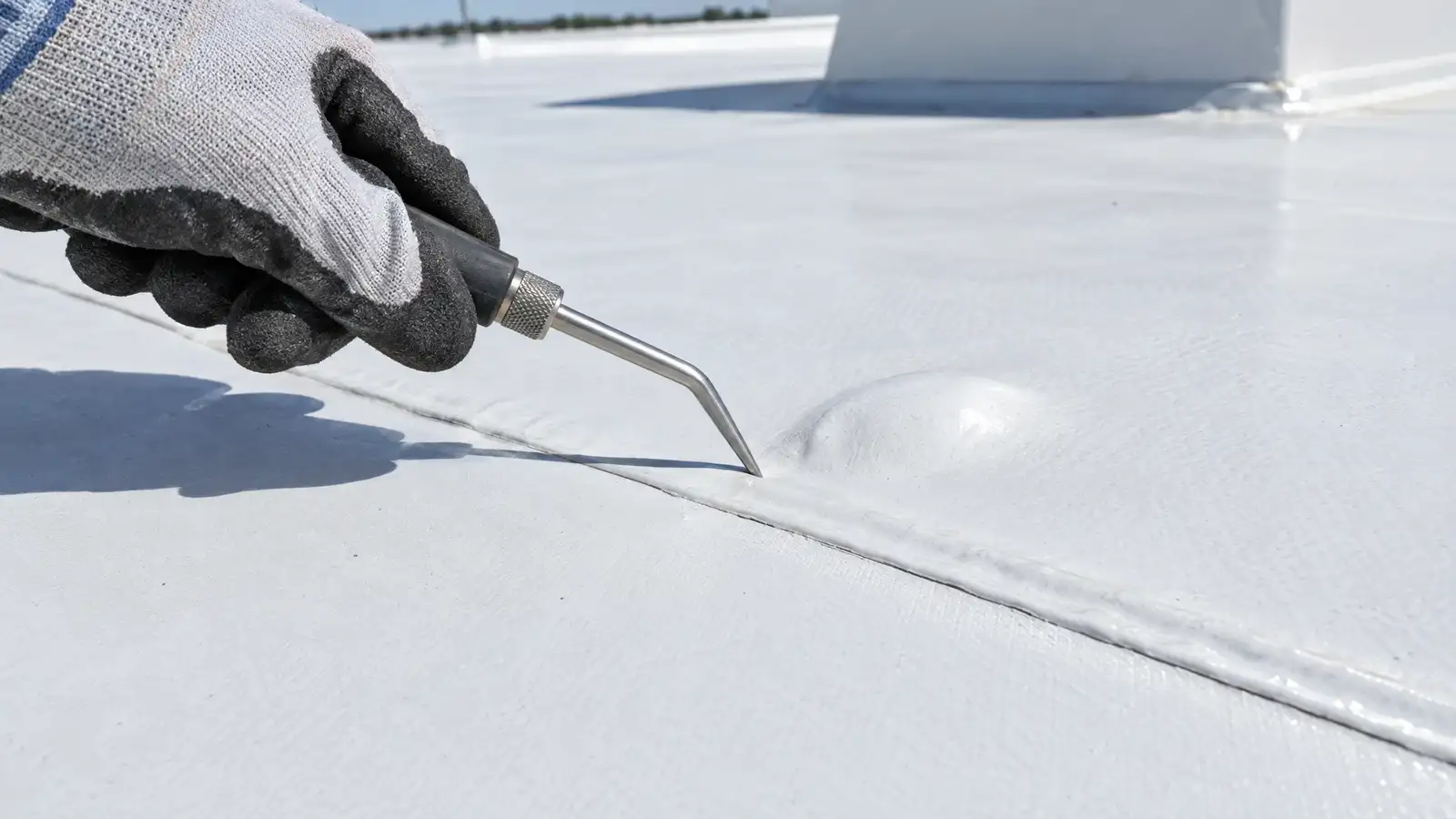 Commercial Roof Types and How They FailTPO, EPDM, PVC, built-up, modified bitumen and metal: how each is built and where each tends to fail.2 min read Why Roofs LeakThe most common reasons water gets into a roof, from flashing failures to clogged valleys.2 min read
Rooftop Equipment & Penetrations FAQ.
Why do penetrations leak?
Sealants age, flashings loosen and movement from equipment and weather opens gaps.
Should service technicians avoid walking the roof?
Walk pads and set paths reduce damage. We can suggest places for them.
Can a new unit damage the roof?
Installation can puncture or disrupt flashing, so inspection after installation is wise.
Rooftop Equipment & Penetrations across Middle Tennessee.
Pick your city for its page.
Know your roof. Before the next storm.
Tell us about your roof and what worries you, and we will suggest the right inspection. Most leaks announce themselves long before the ceiling does.