The short version
- A roof inspection is a structured look at the roof’s condition
- It covers surfaces, flashings, penetrations, edges and often the attic
- It produces findings and priorities, not repairs
- A good one includes photographs
The short version
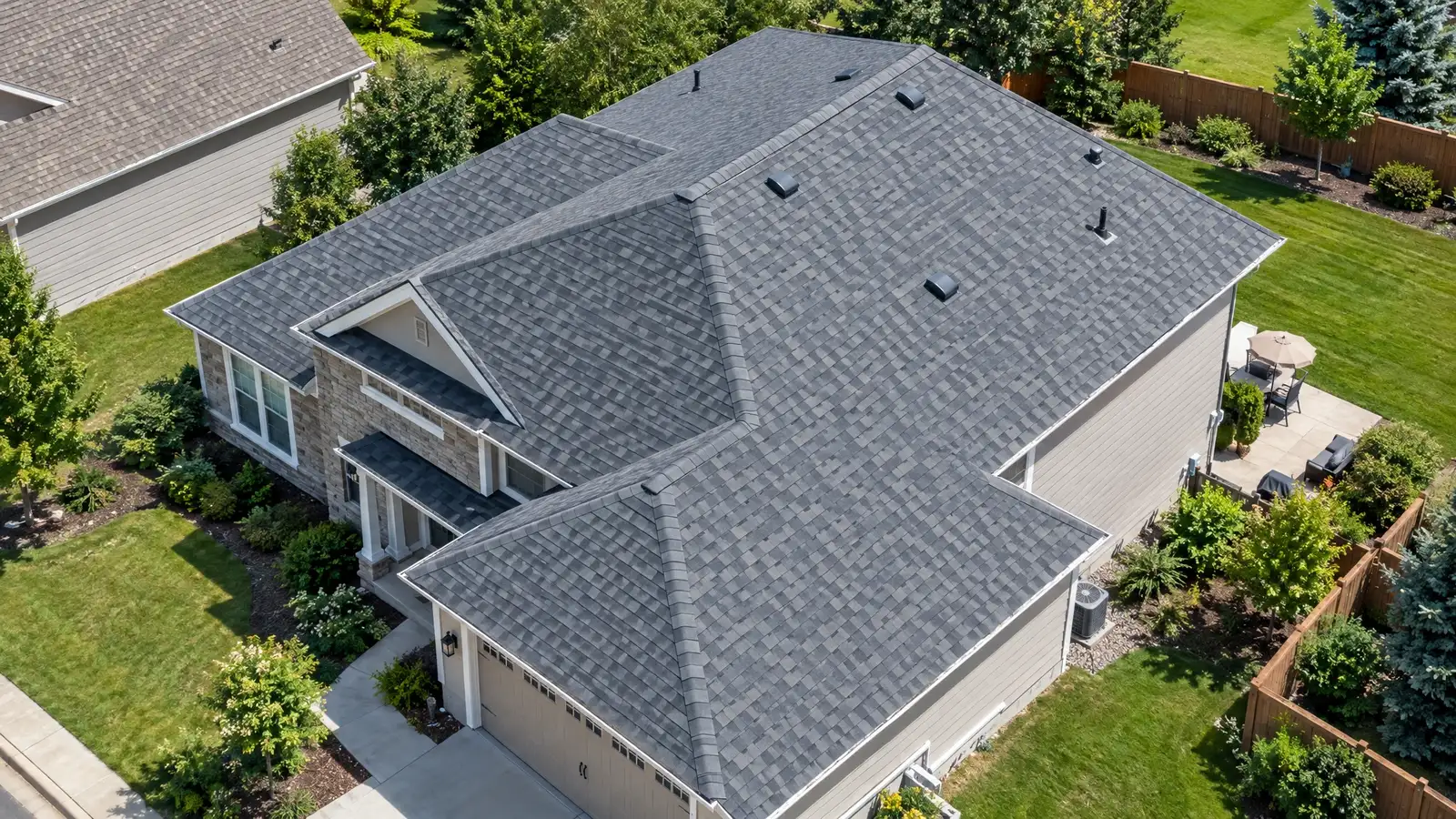
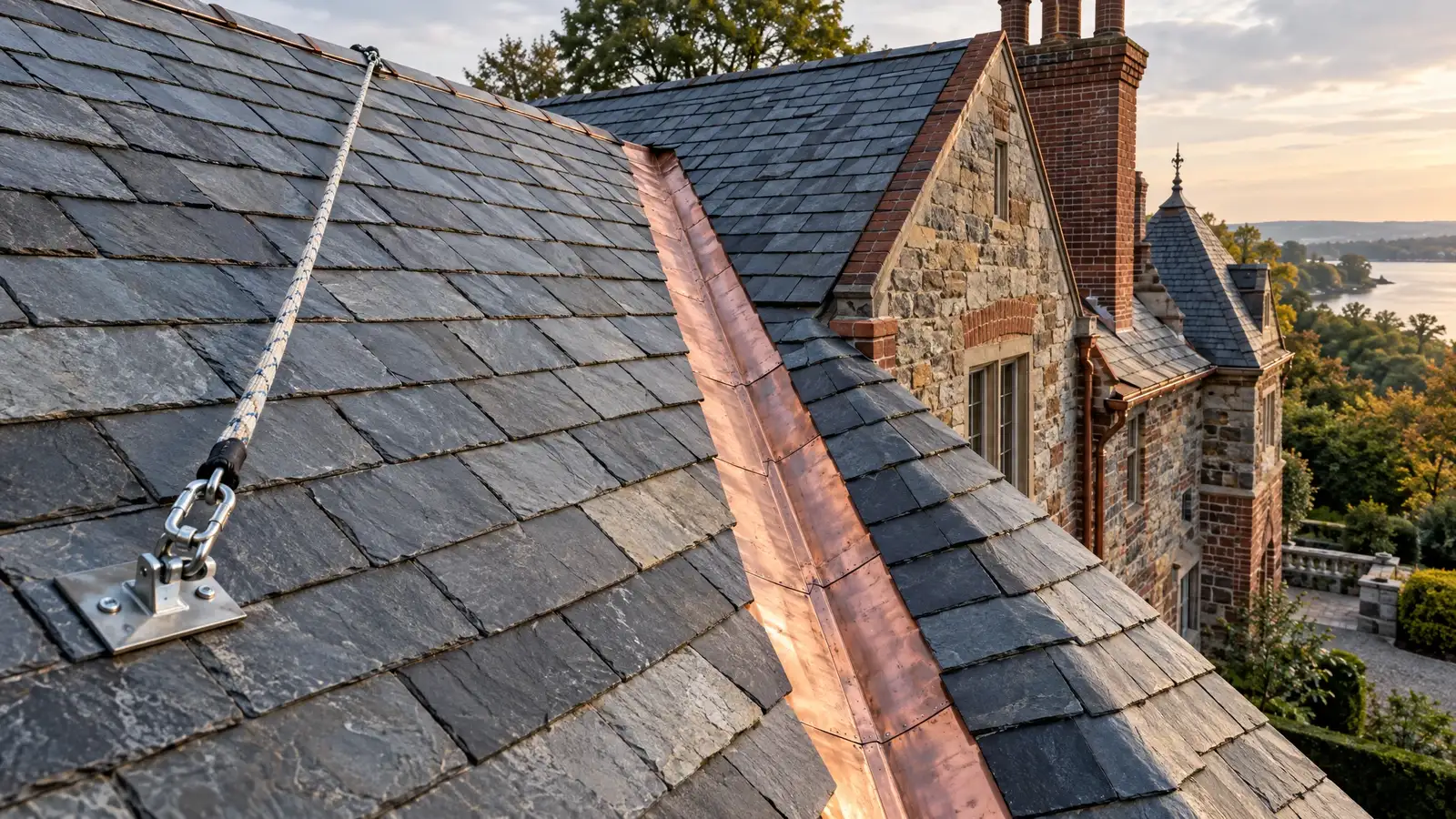
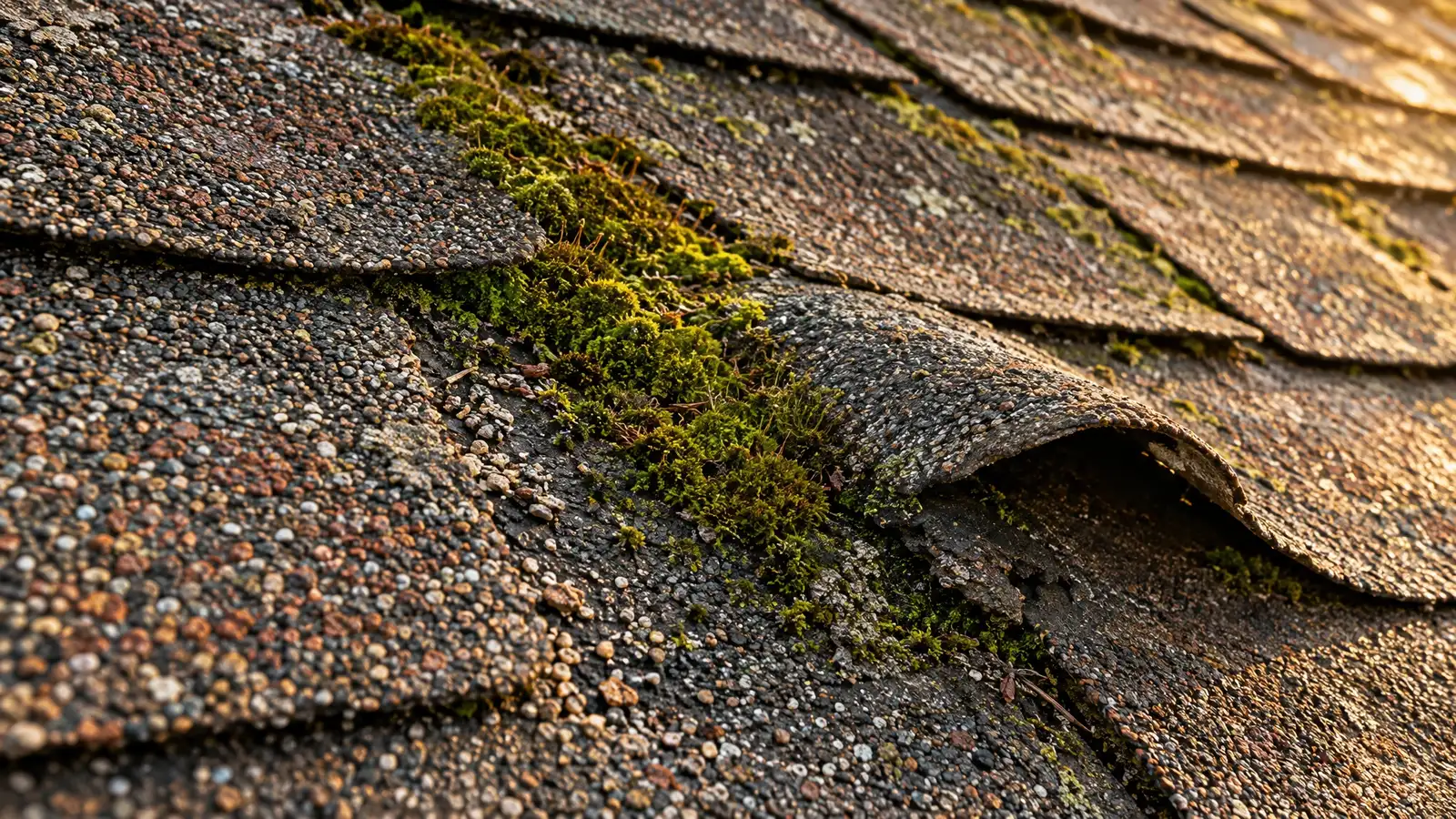
A roof inspection is a careful examination of a roof to determine what condition it is in. The inspector looks at the roofing material, the flashings, the vents and pipes that come through the roof, the gutters and edges and, where possible, the underside in the attic. The goal is to find existing problems and spot early signs of future ones.
It is different from a roofing estimate, which prices work, and from a general home inspection, which glances at the roof among many other systems.
What happens during one
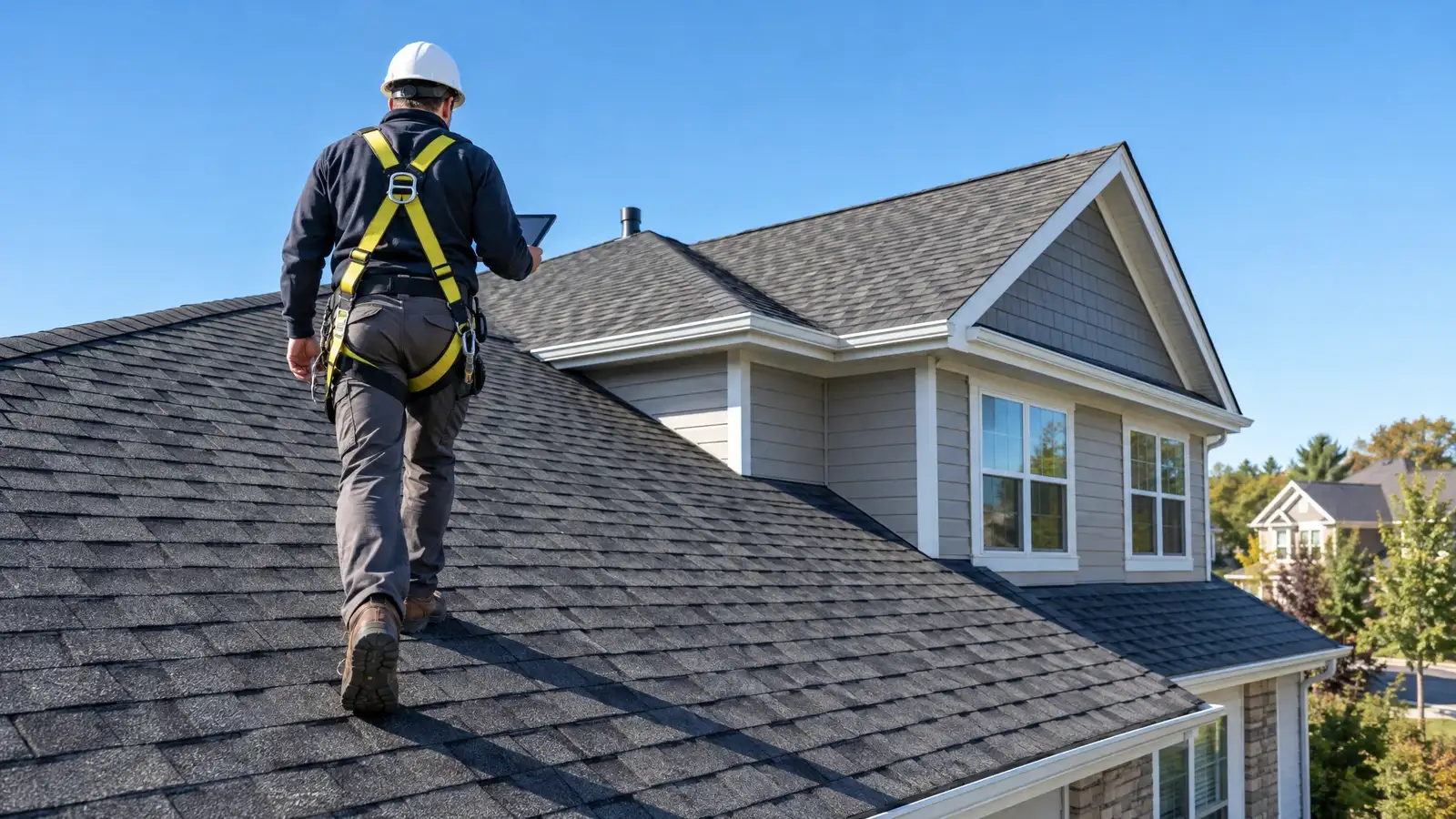
The inspector reviews the property, walks or flies the roof, photographs defects and notes the condition of each section. Where leaks are suspected, they may check moisture and the attic. Afterward they write up findings, usually with photographs and a priority list.
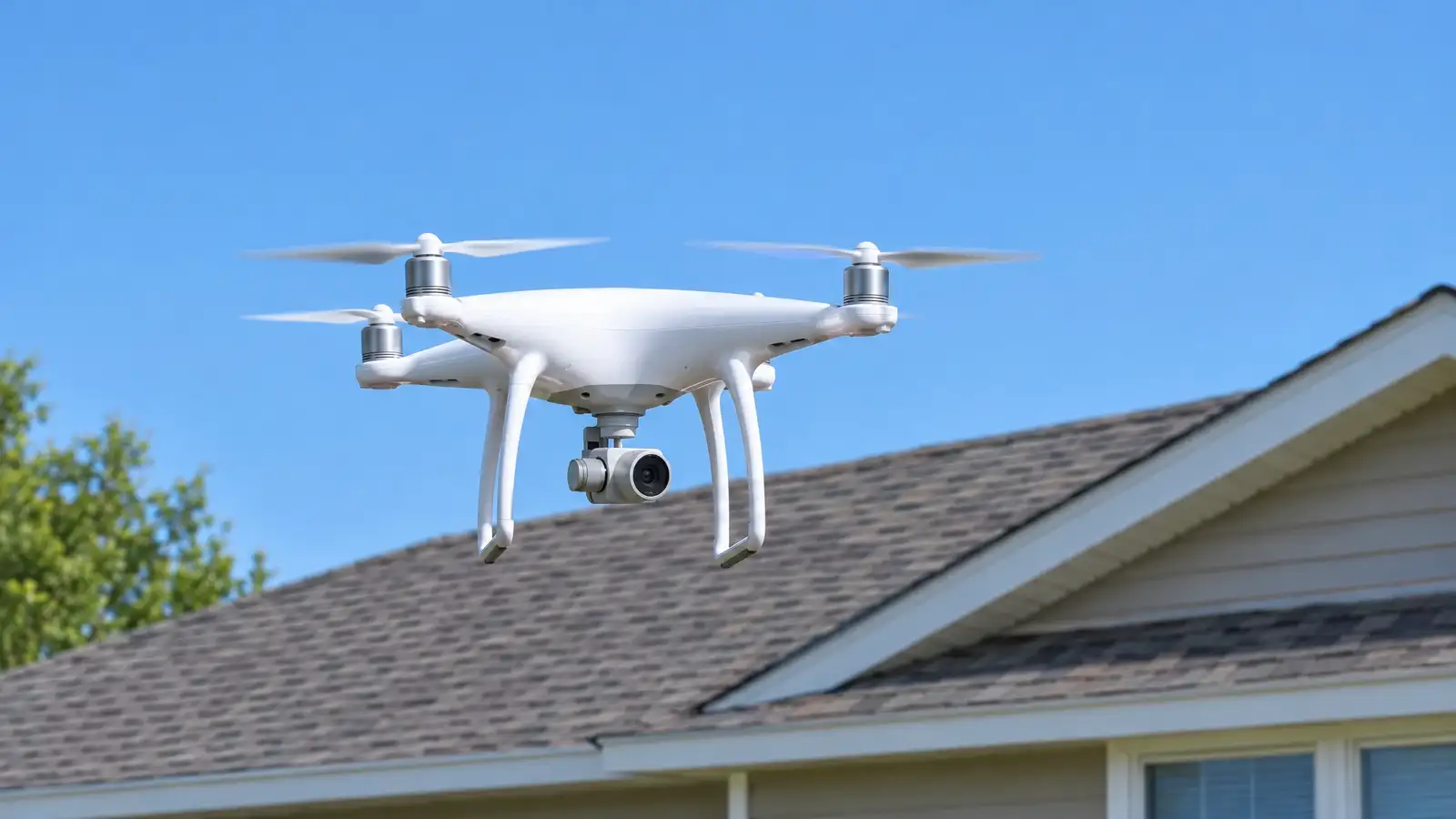
Many inspections use drones for steep, high or fragile roofs, and some add infrared or moisture testing.
What you get
You get a report: what the roof is made of, how it is aging, what is damaged, what needs repair soon and what is fine. Good reports label photographs by location and explain findings in plain language.
You can use the report to plan repairs, request bids, support an insurance conversation or negotiate a home sale.
When to get one
Common reasons include buying or selling a home, after a storm, when you see stains or missing shingles, when the roof is getting old and as part of a yearly maintenance routine.
Because roof problems often show up inside only after real damage, inspecting before leaks appear is usually cheaper.
General information, not engineering, legal, insurance or safety advice. Roofs, policies and local requirements vary, and every roof should be judged on its own condition.