The short version
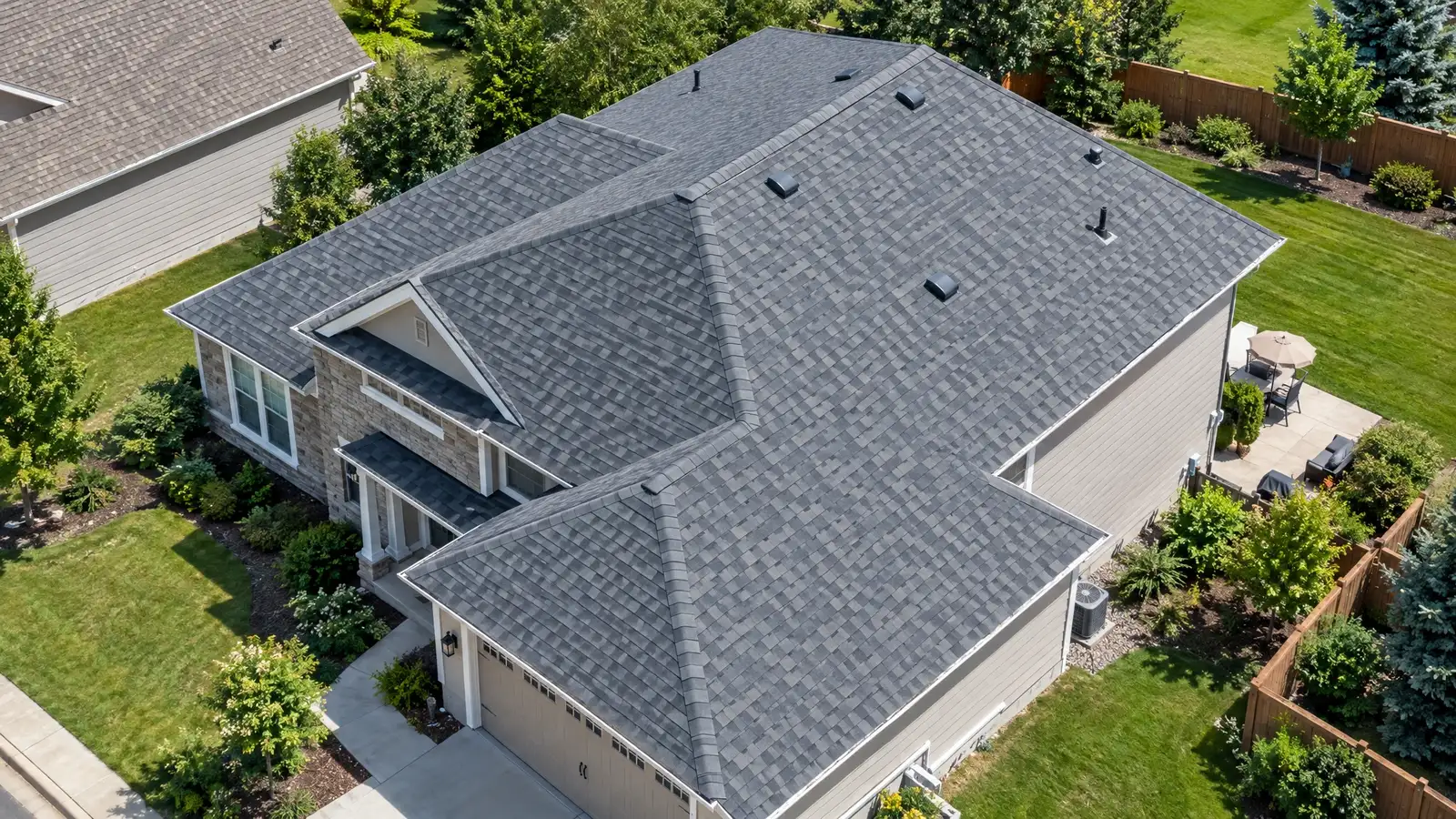
- Asphalt shingles are commonly cited at about 15 to 30 years
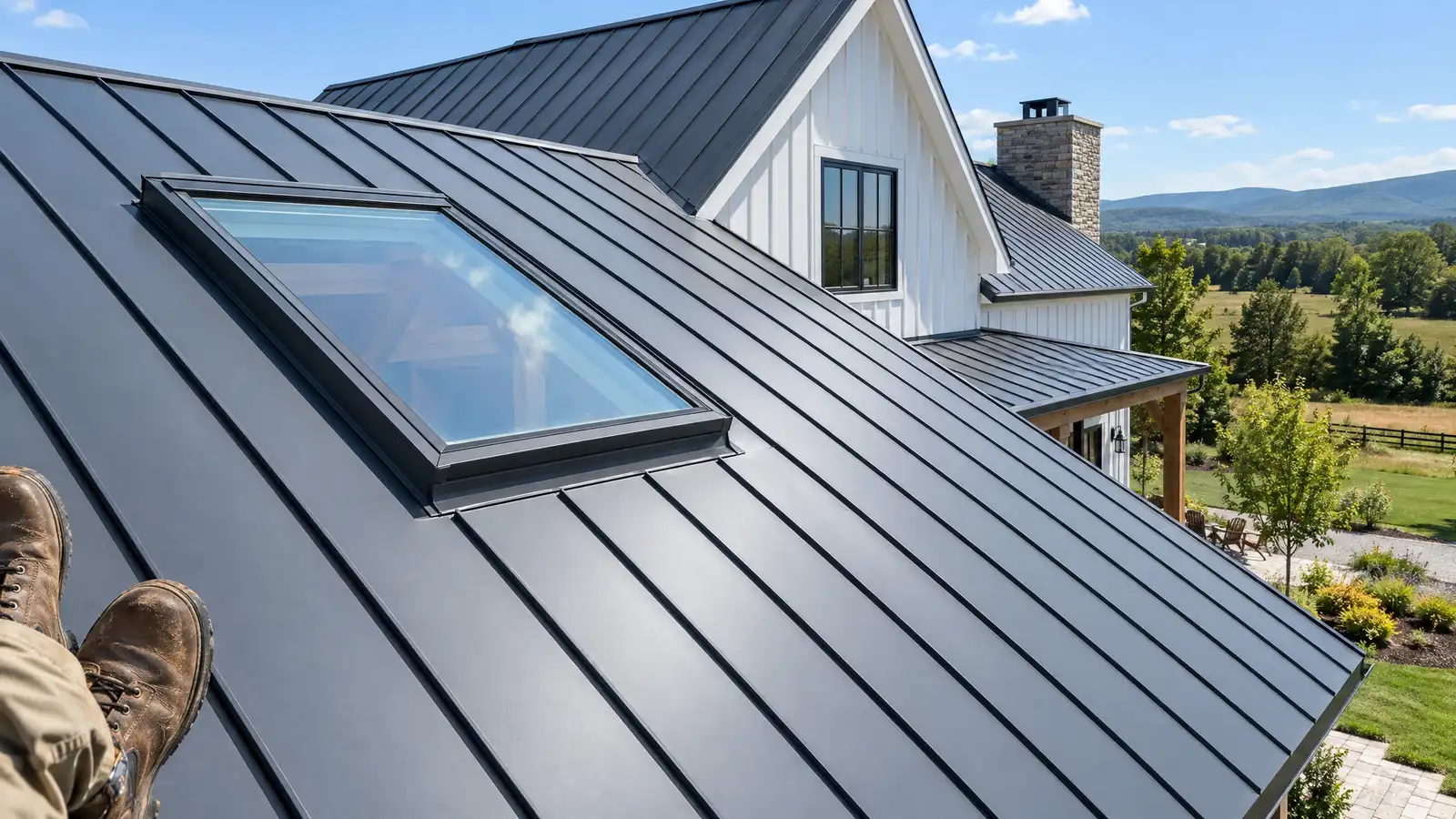
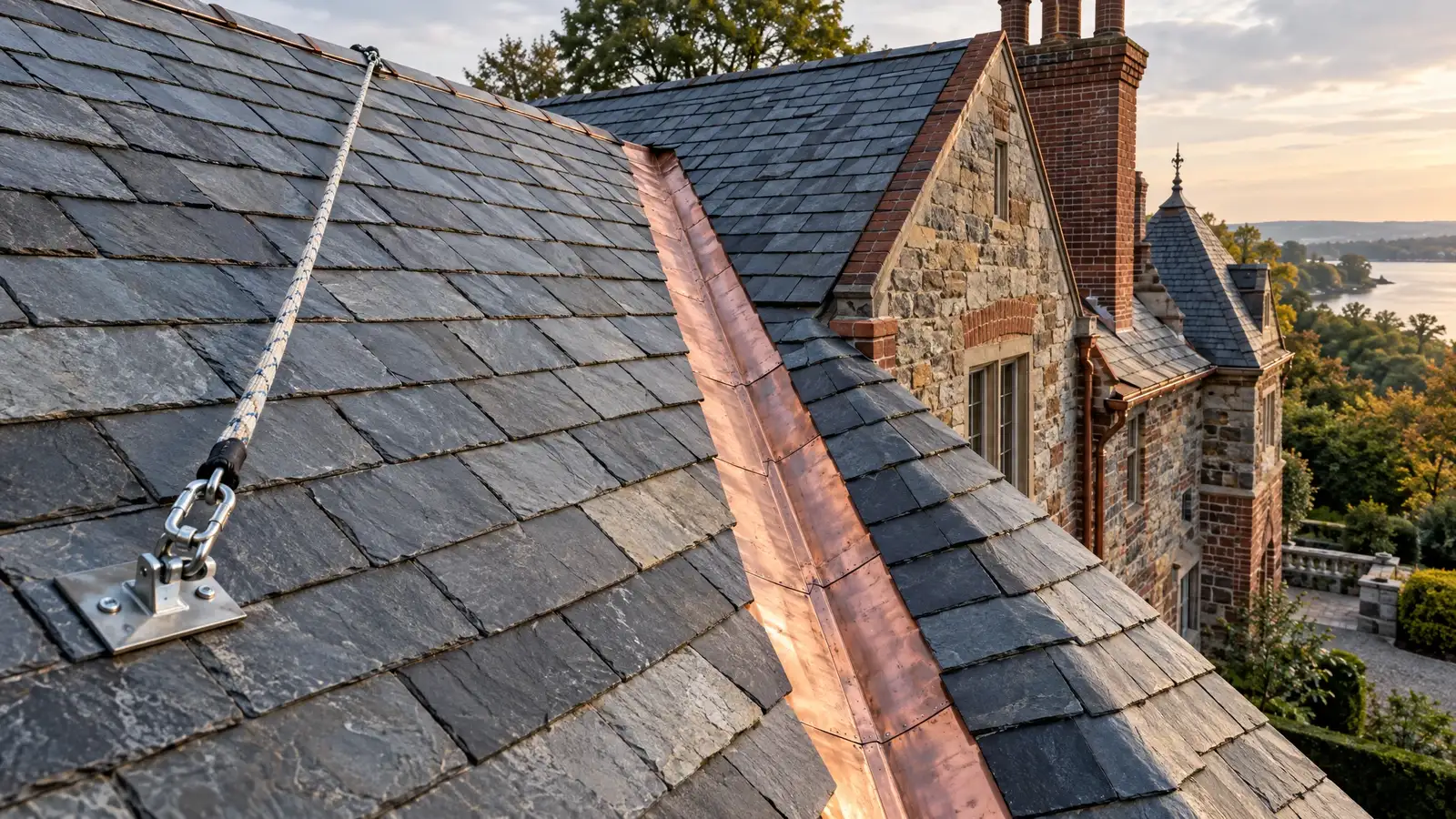
- Metal, tile and slate often last longer
- Flat membranes are commonly cited at about 20 to 30 years
- Ventilation, shade, storms and maintenance change everything
Commonly cited ranges
Ranges vary by source, but asphalt shingles are often cited at roughly 15 to 30 years, with architectural shingles toward the upper end. Metal roofs are commonly cited at 40 years or more, clay and concrete tile at 50 or more and slate at several decades beyond that. Flat membranes such as TPO, EPDM and PVC are often cited at around 20 to 30 years, and built-up roofs at similar ranges.
These are typical figures, not promises.
What shortens roof life
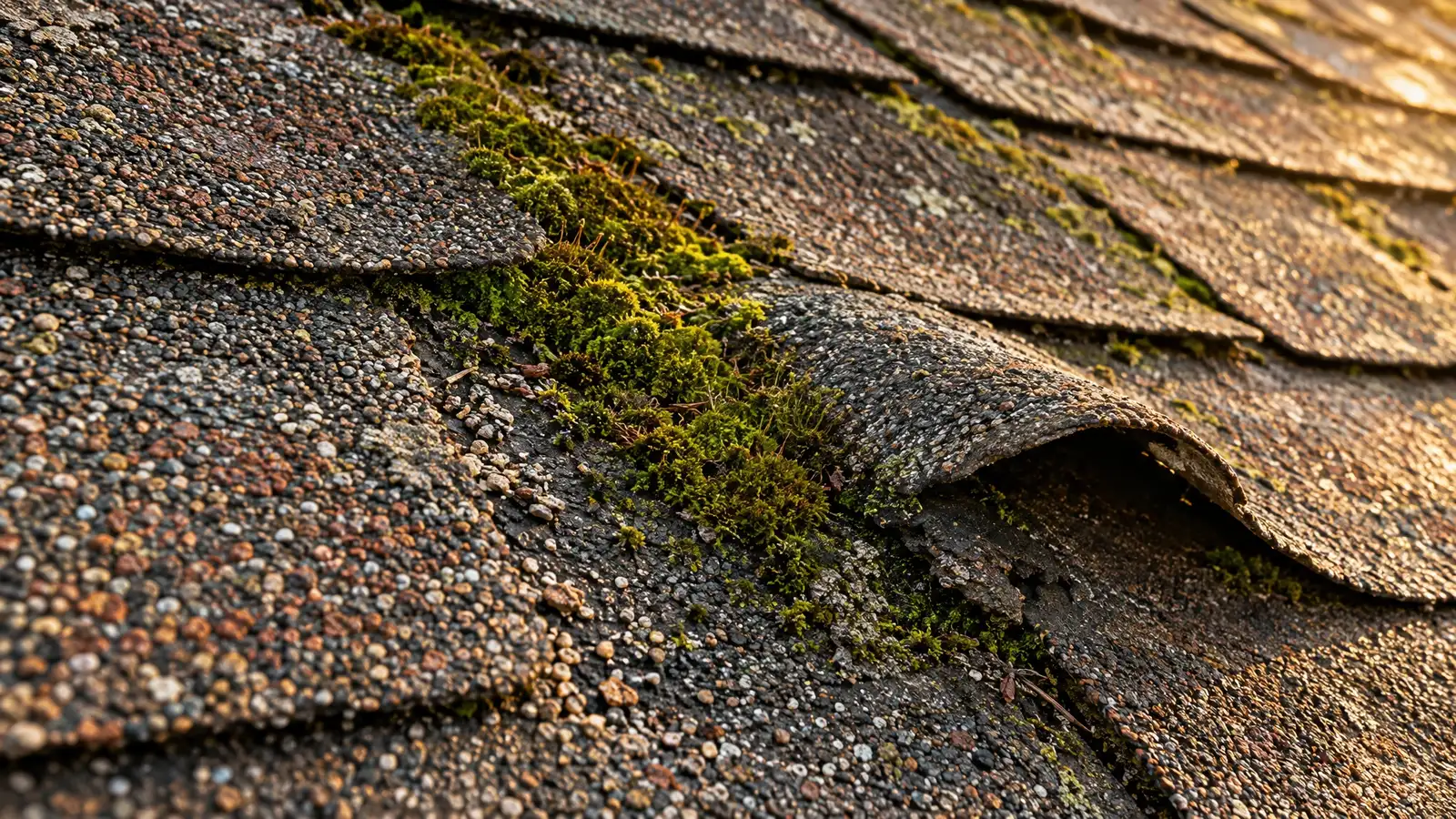
Poor attic ventilation, heavy shade that keeps moisture on the surface, hail and wind damage, installation mistakes and foot traffic all shorten life. On flat roofs, ponding water is a major factor.
Tennessee’s heat, humidity and spring storms are all hard on roofs.
What extends it
Regular inspection, prompt repair of small defects, clean gutters and valleys, trimmed trees, good ventilation and quality installation all help roofs reach or exceed typical ranges.
A roof that is maintained often outlasts one that is ignored.
Using the numbers
Treat the ranges as a starting point. A roof’s actual condition tells you more than its age. A 15-year-old roof in good shape may have years left, while a 10-year-old roof hit by hail may not.
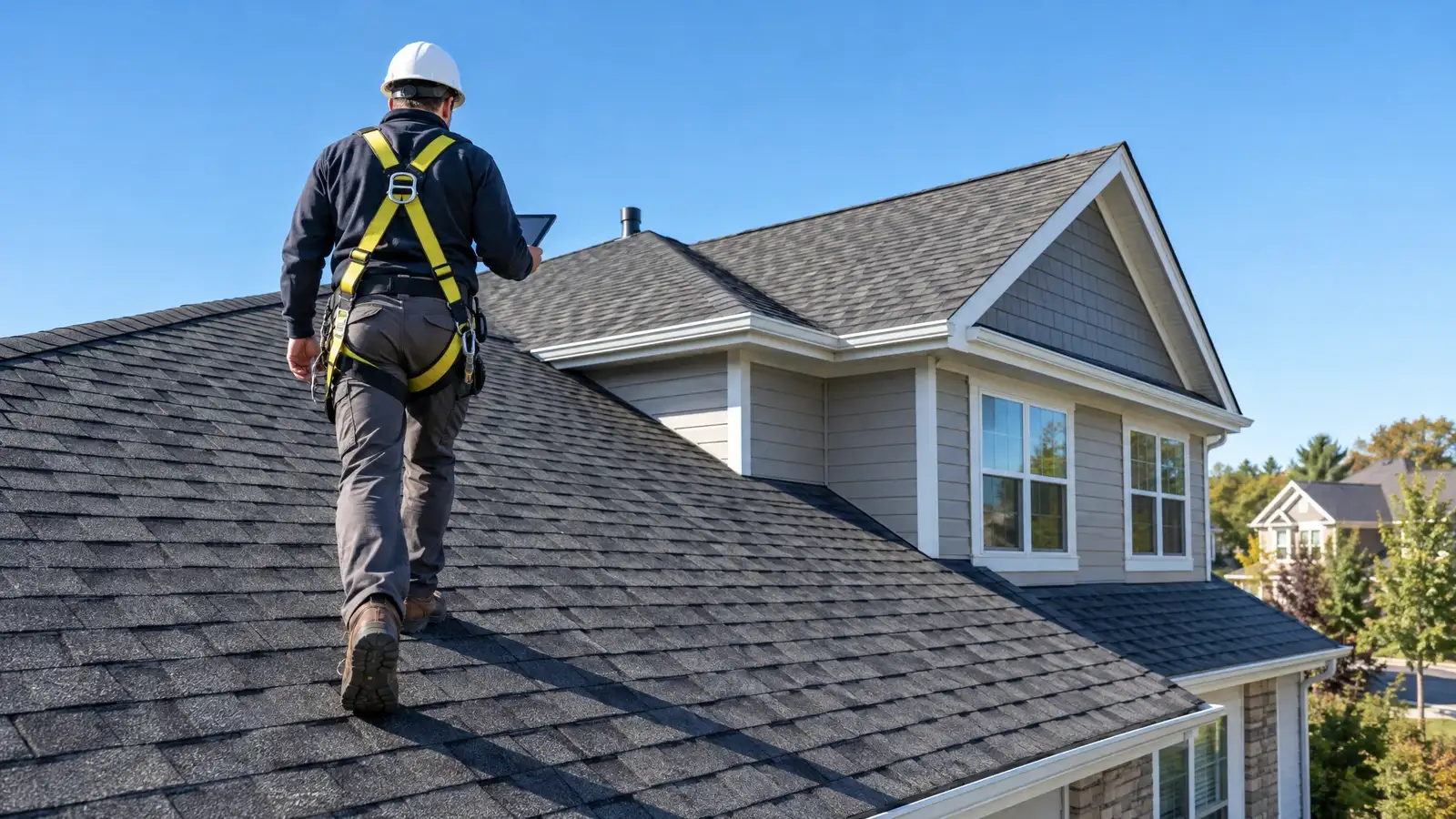
An assessment of remaining life looks at the evidence on the roof itself.
General information, not engineering, legal, insurance or safety advice. Roofs, policies and local requirements vary, and every roof should be judged on its own condition.