The short version
- A roof is a system of layers, not just shingles
- The deck is the structural base
- Underlayment and flashing do much of the waterproofing
- Ventilation affects how long it all lasts
The layers
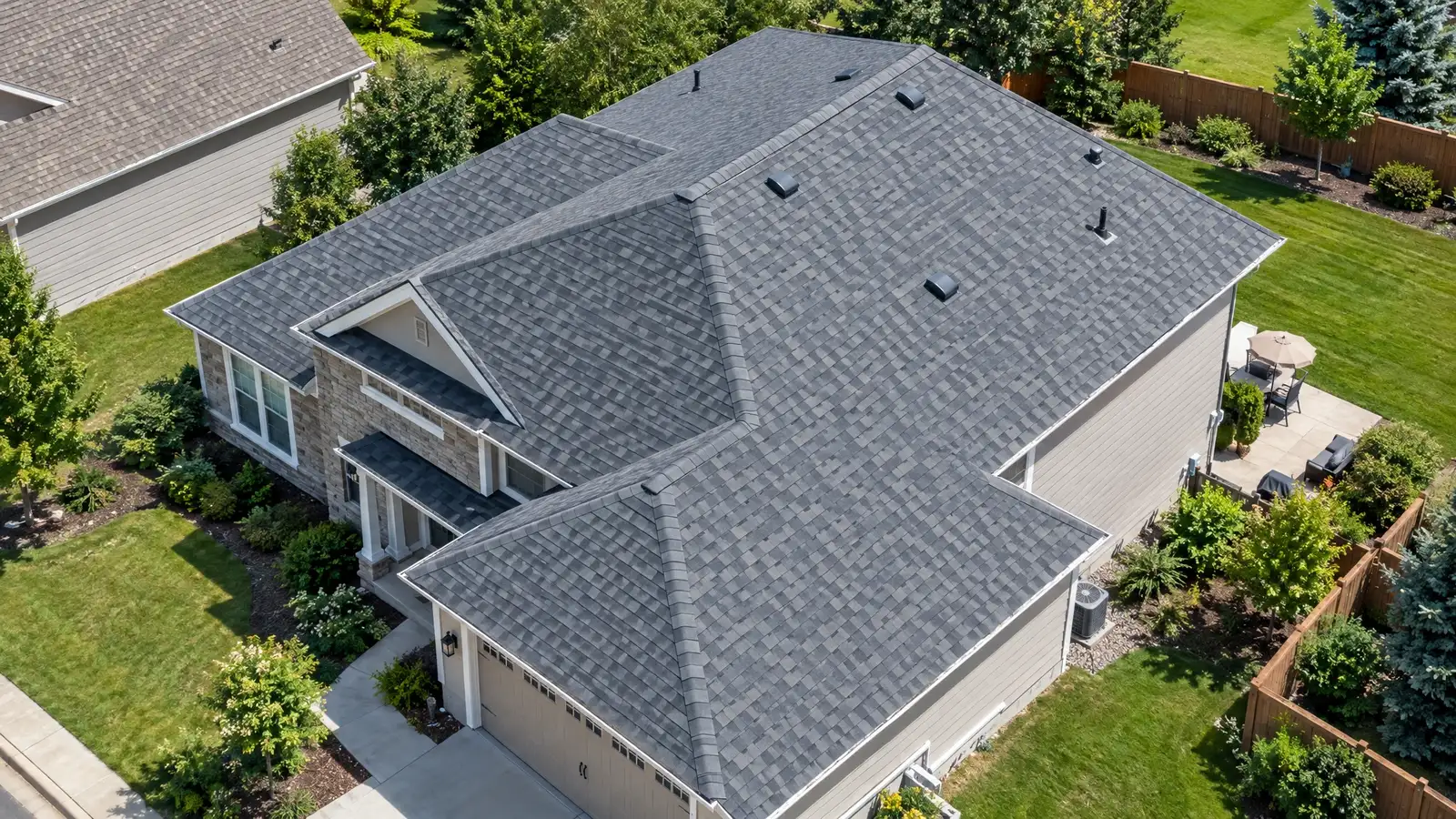
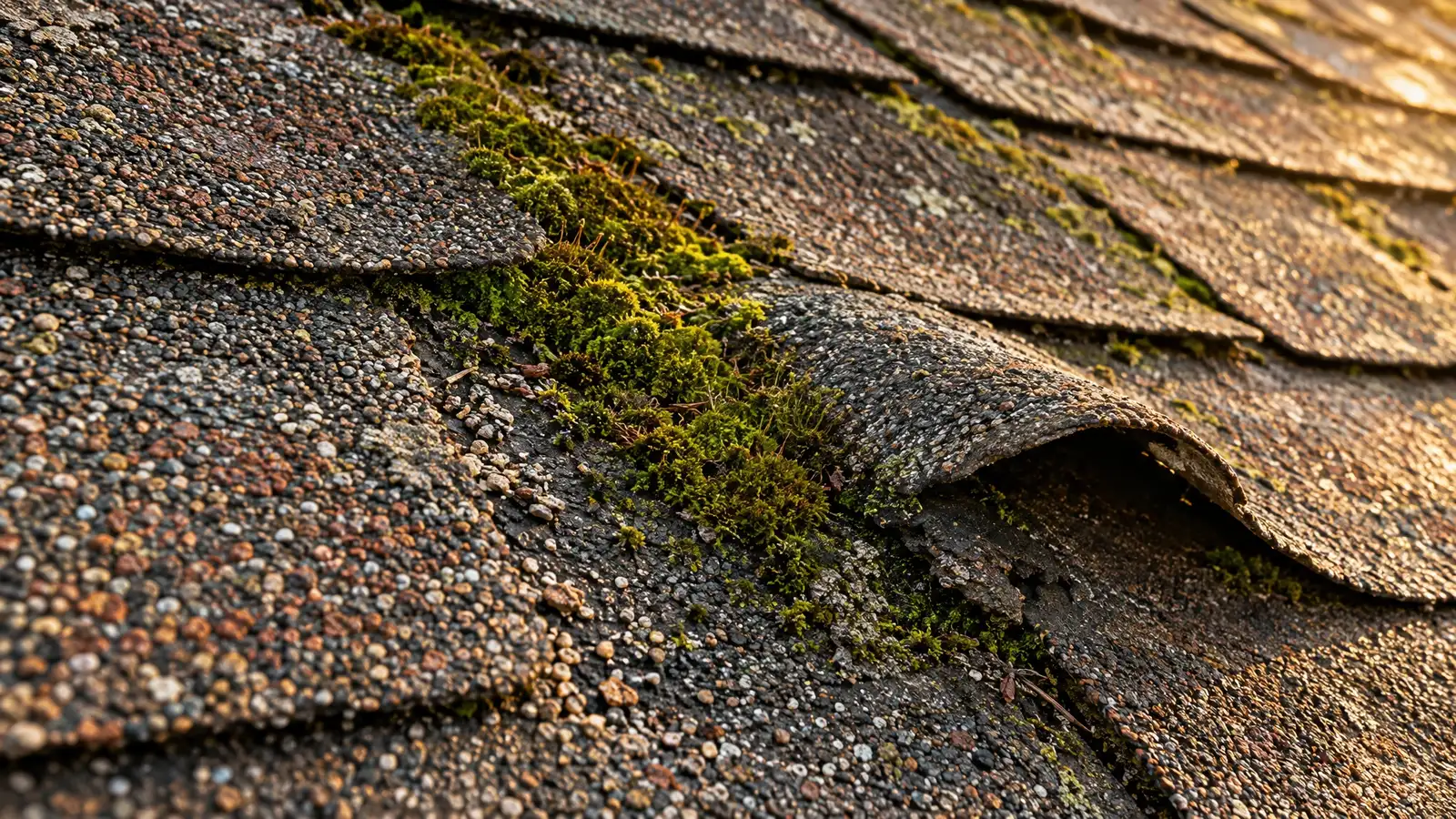
From the inside out, a typical steep roof has rafters or trusses, decking (usually plywood or boards), an underlayment and the roofing material on top. Each layer has a job: structure, a surface to fasten to, a backup water barrier and the visible weather surface.
Along the edges, drip edge metal guides water into the gutter instead of behind it.
The weak points
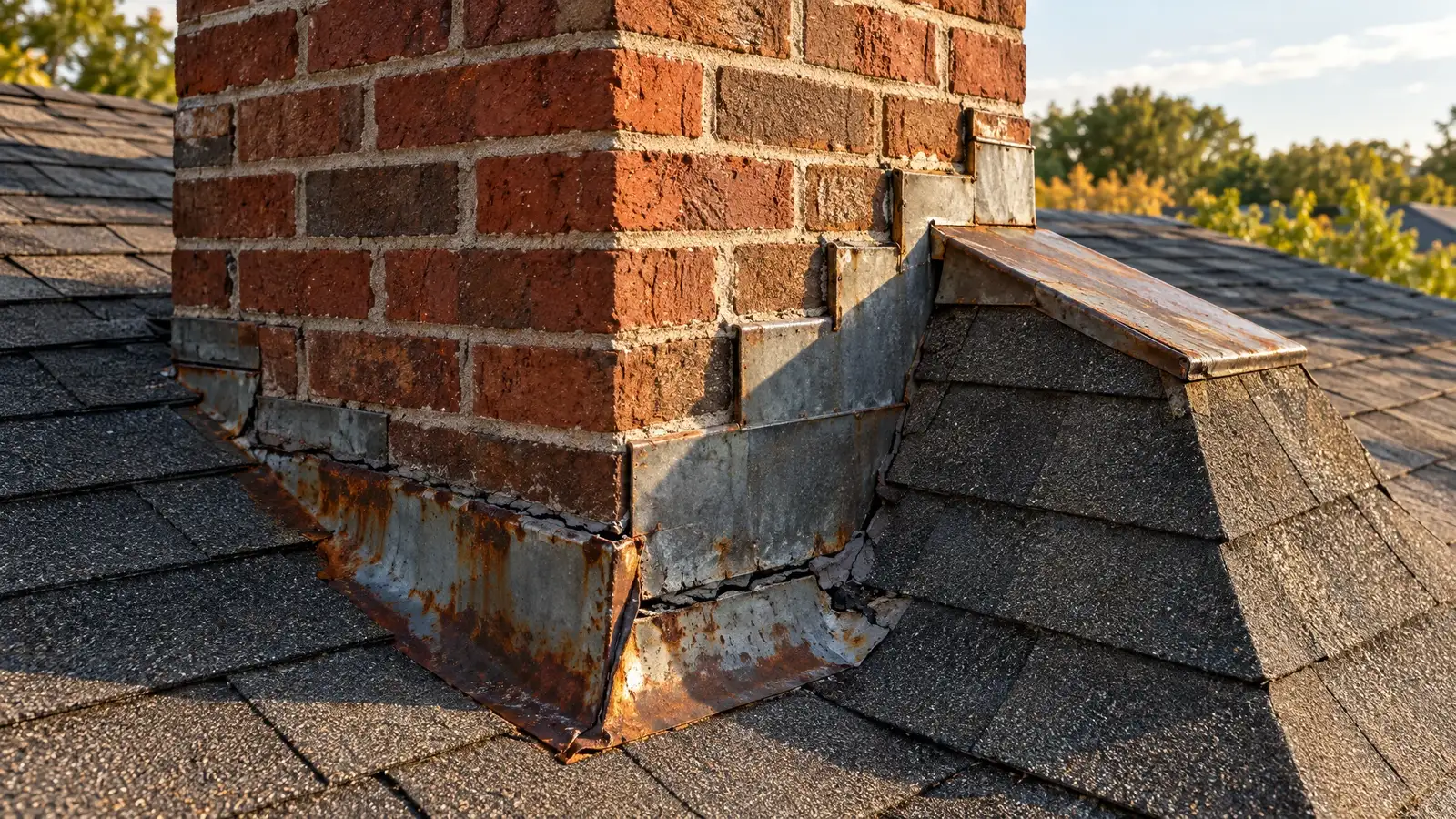
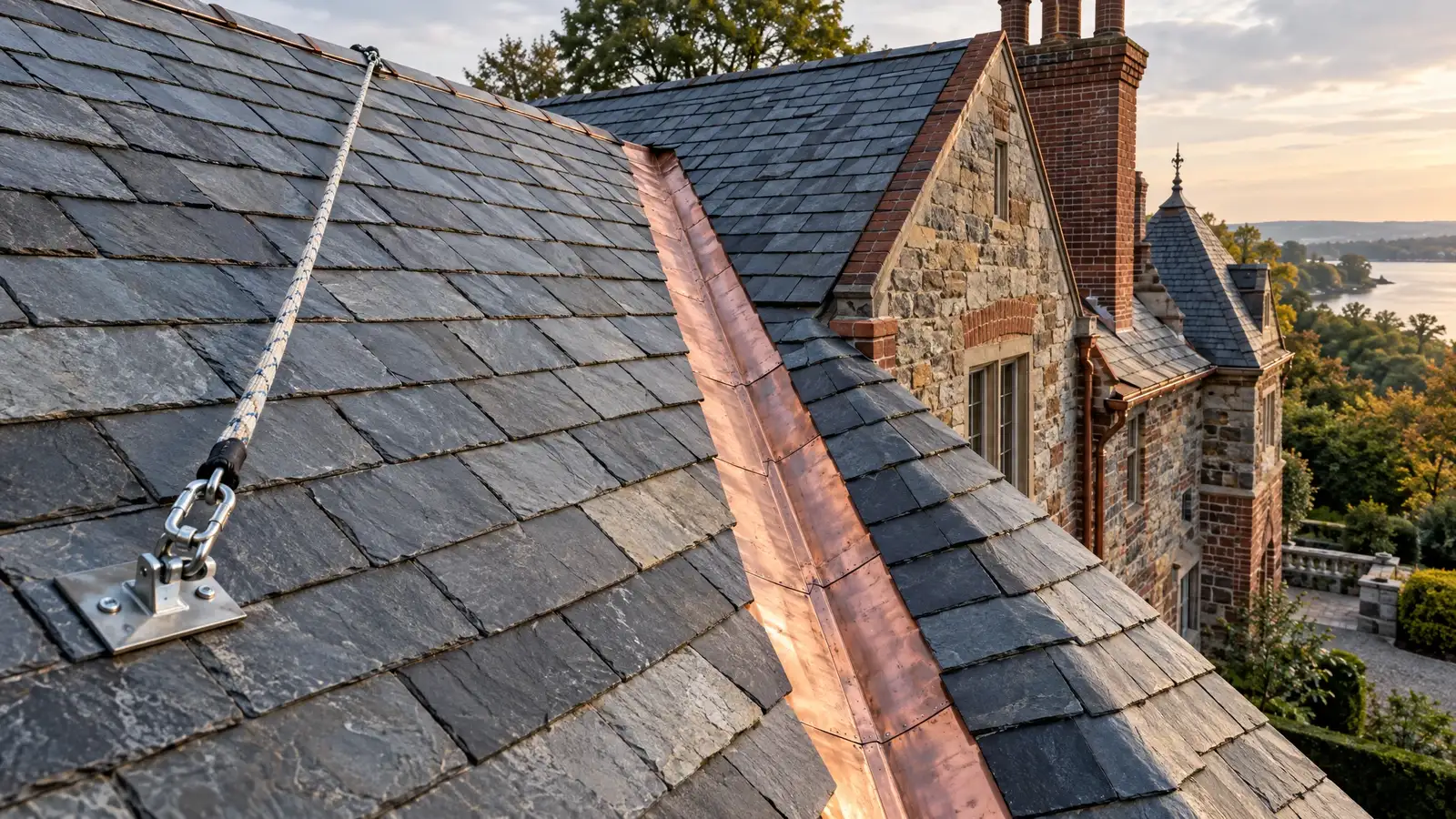
Anywhere the roof changes direction or meets another surface, it needs flashing. Valleys, chimneys, walls, dormers, skylights and pipe penetrations all depend on metal or membrane flashing that overlaps the roofing correctly.
The ridge, where two slopes meet at the top, is finished with ridge cap and often a ridge vent.
Ventilation and insulation
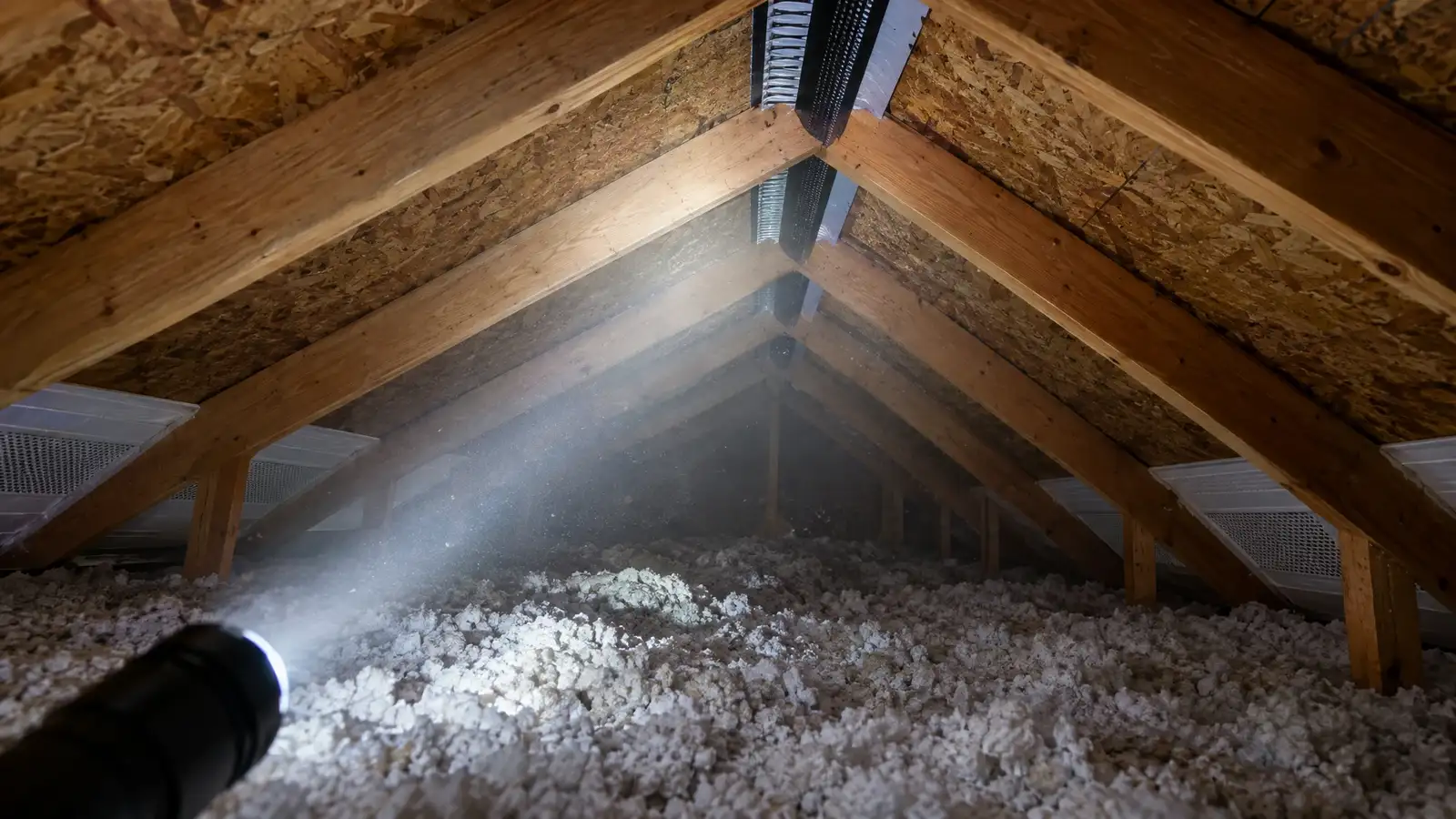
A roof needs air moving under it. Intake vents at the eaves and exhaust vents near the ridge let heat and moisture escape. Insulation on the attic floor keeps house heat from warming the roof deck.
Together they protect the roofing from excess heat and the structure from moisture.
Why it matters
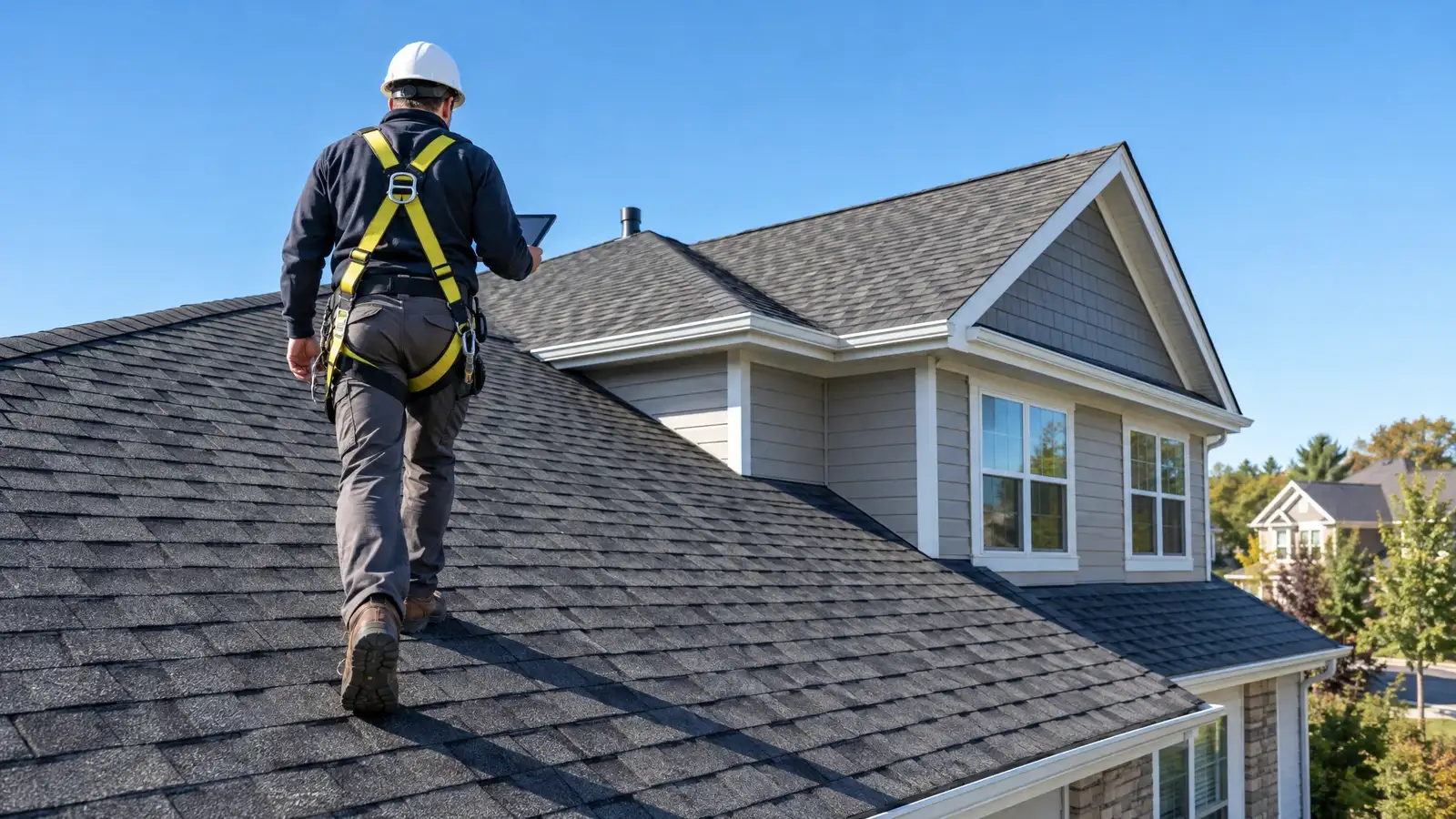
Knowing the parts helps you understand inspection reports. When a report says a pipe boot is cracked or a valley has worn, you know what it means and why it matters.
Most roof problems start at the details, not in the field of the roof.
General information, not engineering, legal, insurance or safety advice. Roofs, policies and local requirements vary, and every roof should be judged on its own condition.