The short version
- Every penetration is a potential leak
- Curbs, flashings and sealants age and move
- Service traffic punctures and wears membranes
- Walk pads and inspections reduce damage
Why equipment causes leaks
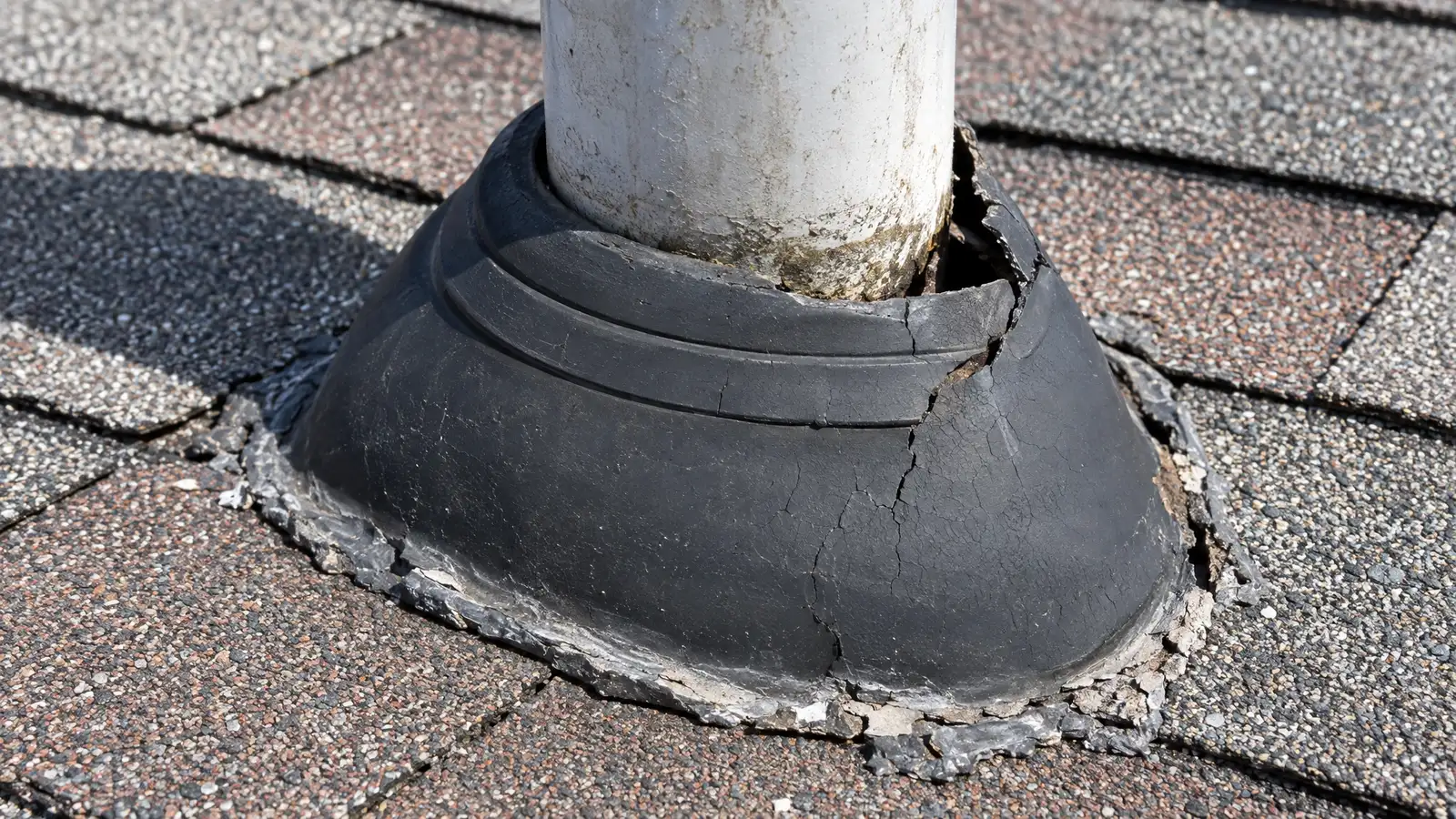
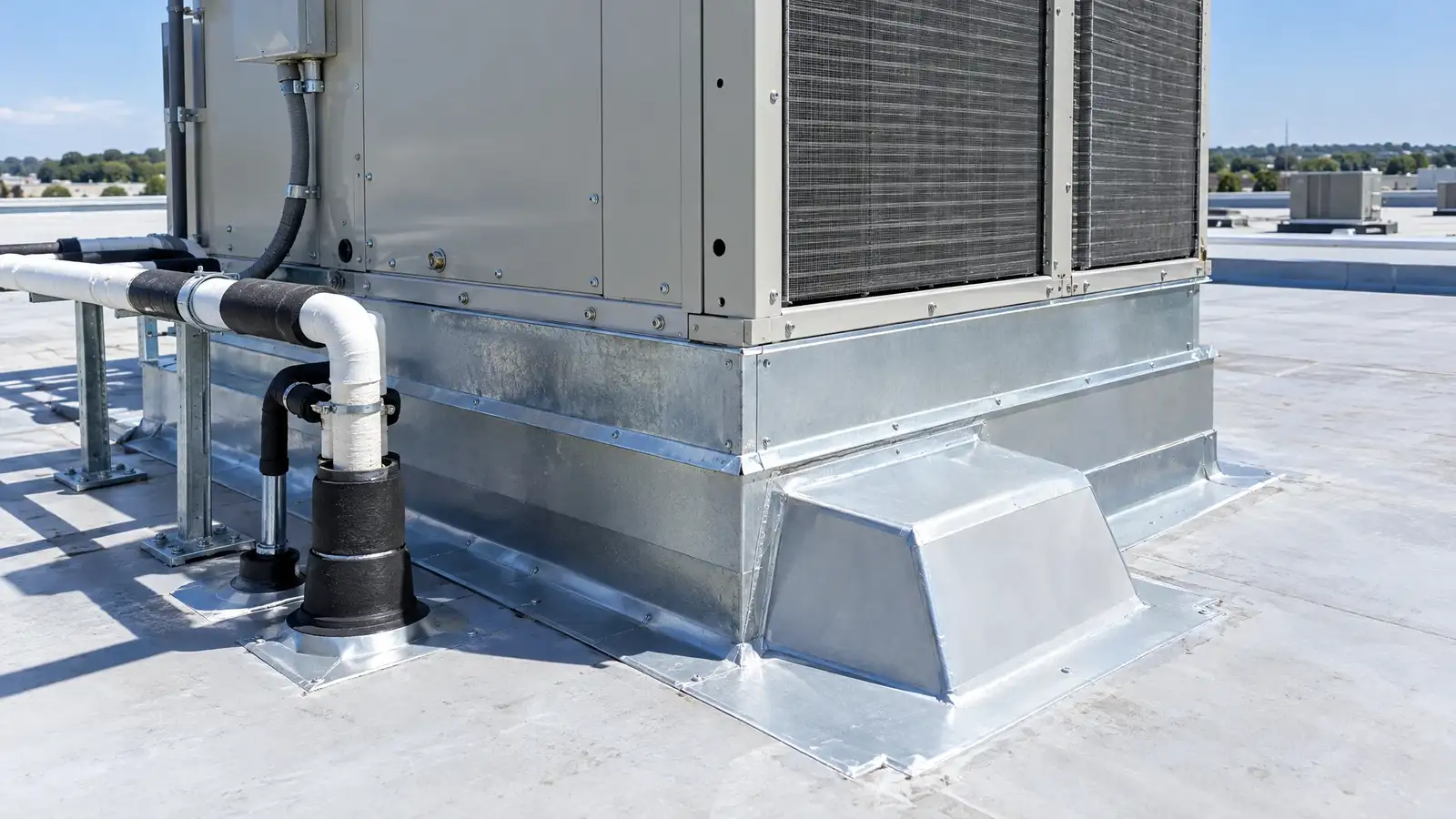
Rooftop units sit on curbs that are flashed into the roof. Pipes, conduits and supports pass through the membrane. Each connection relies on flashing, sealant and the skill of the installer. As equipment vibrates and temperatures swing, joints open.
Added equipment over the years often multiplies the risk.
Service traffic
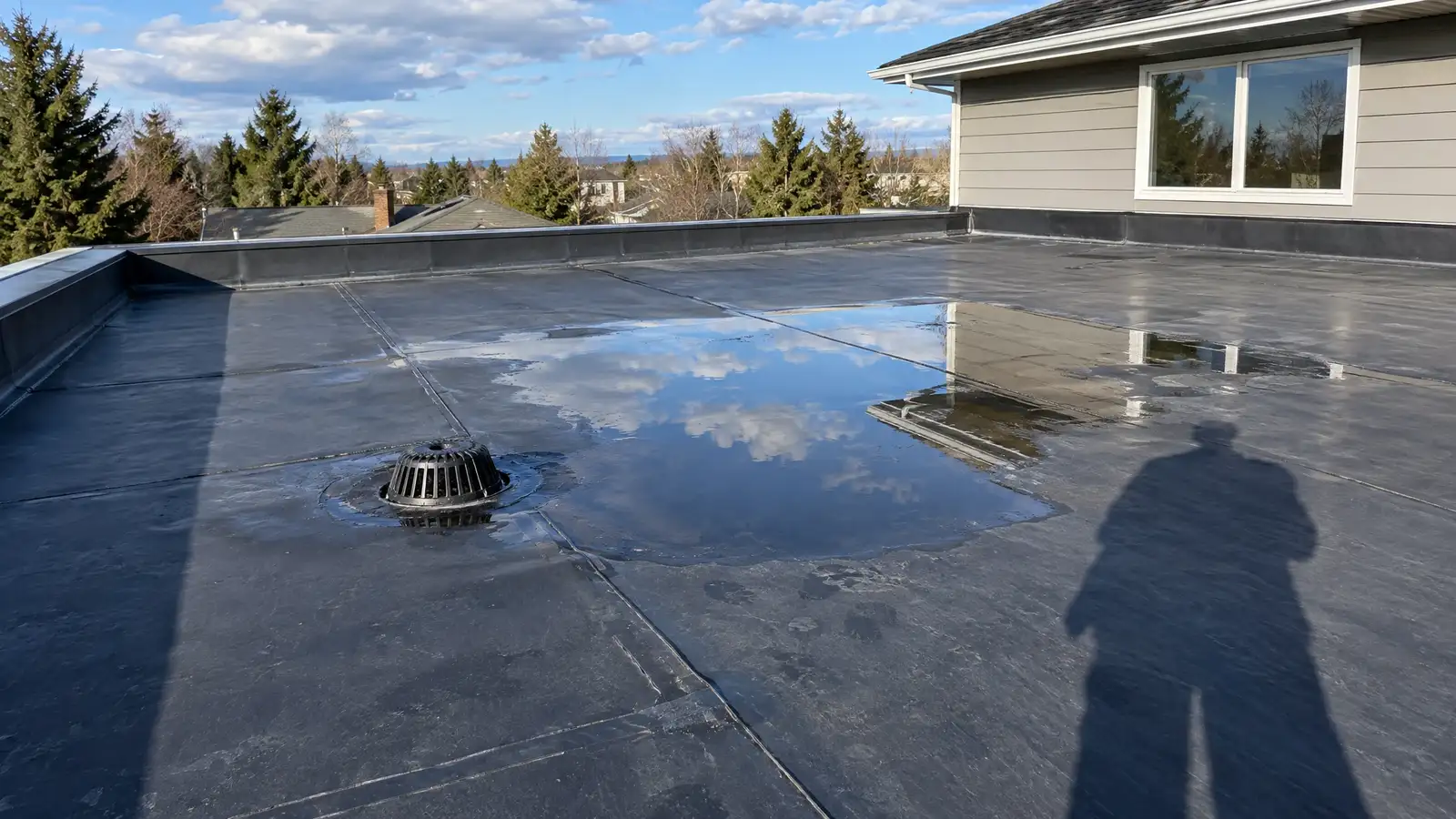
Technicians walk the roof, set down tools and drag equipment. Punctures, abrasion and ponding around units are common. Without walk pads or set paths, the membrane wears where traffic is heaviest.
Tell service companies to protect the roof.
Inspecting around equipment
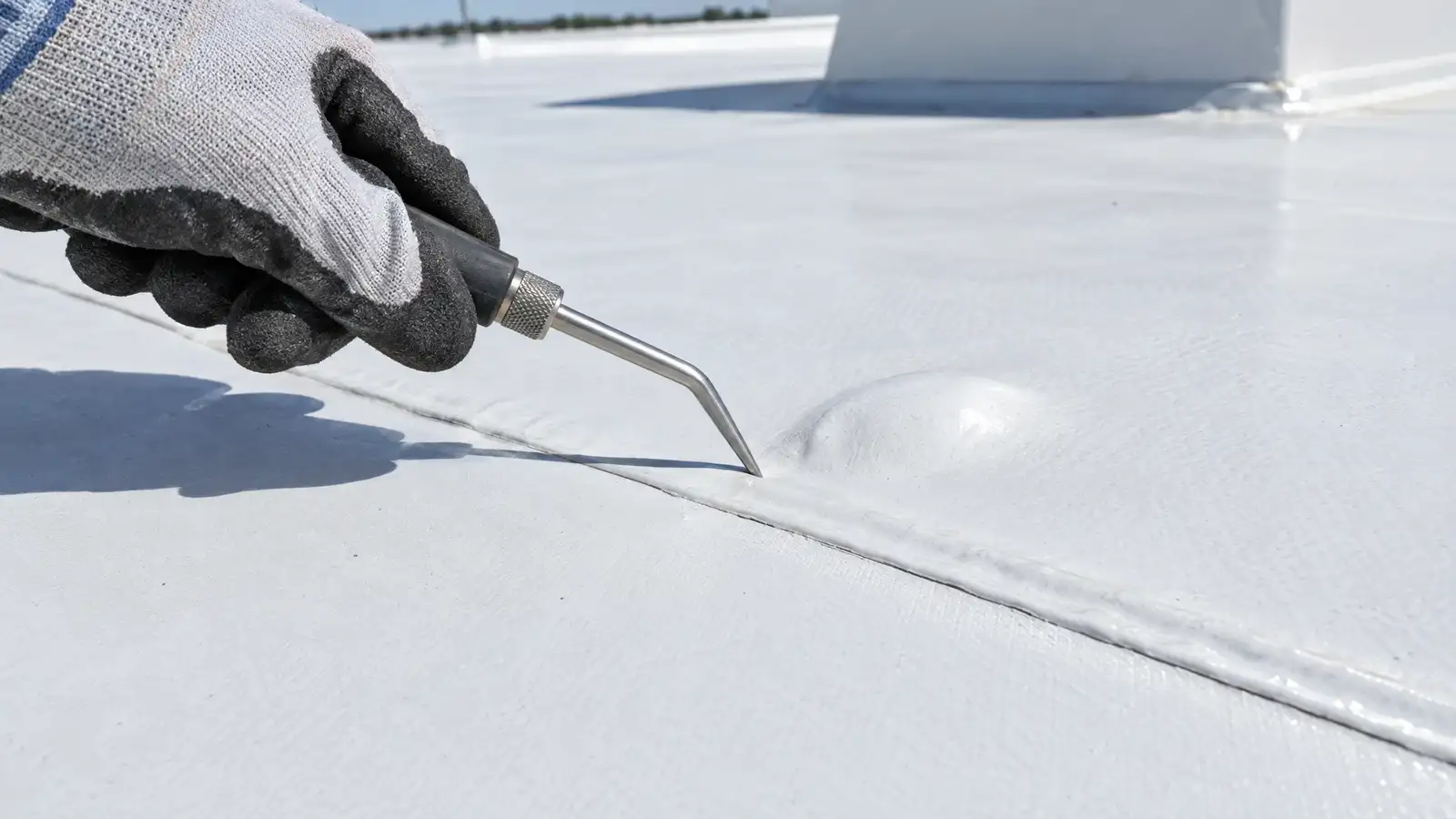
Inspectors check curb flashing, sealant, fasteners, pitch pockets, pipe supports and the membrane around each unit. They look for gaps, rust, punctures, ponding and condensation lines leaking onto the roof.
Each penetration gets its own entry in the report.
Protecting the roof
Install walk pads along service routes, keep records of equipment changes, inspect after installations and keep drains clear near units. Ask contractors to flash penetrations properly.
Small preventive steps save a lot of money.
General information, not engineering, legal, insurance or safety advice. Roofs, policies and local requirements vary, and every roof should be judged on its own condition.