The short version
- Many owners inspect once or twice a year
- Add inspections after storms and rooftop work
- Warranties may require periodic inspection
- Condition history guides the schedule
A baseline schedule
A common baseline is twice a year, spring and fall, for commercial roofs, or once a year at minimum. Spring checks for winter and storm damage and fall checks for debris and readiness for winter. Newer roofs may do fine on a lighter schedule but should still be inspected after storms.
Older roofs benefit from more frequent checks.
Extra visits
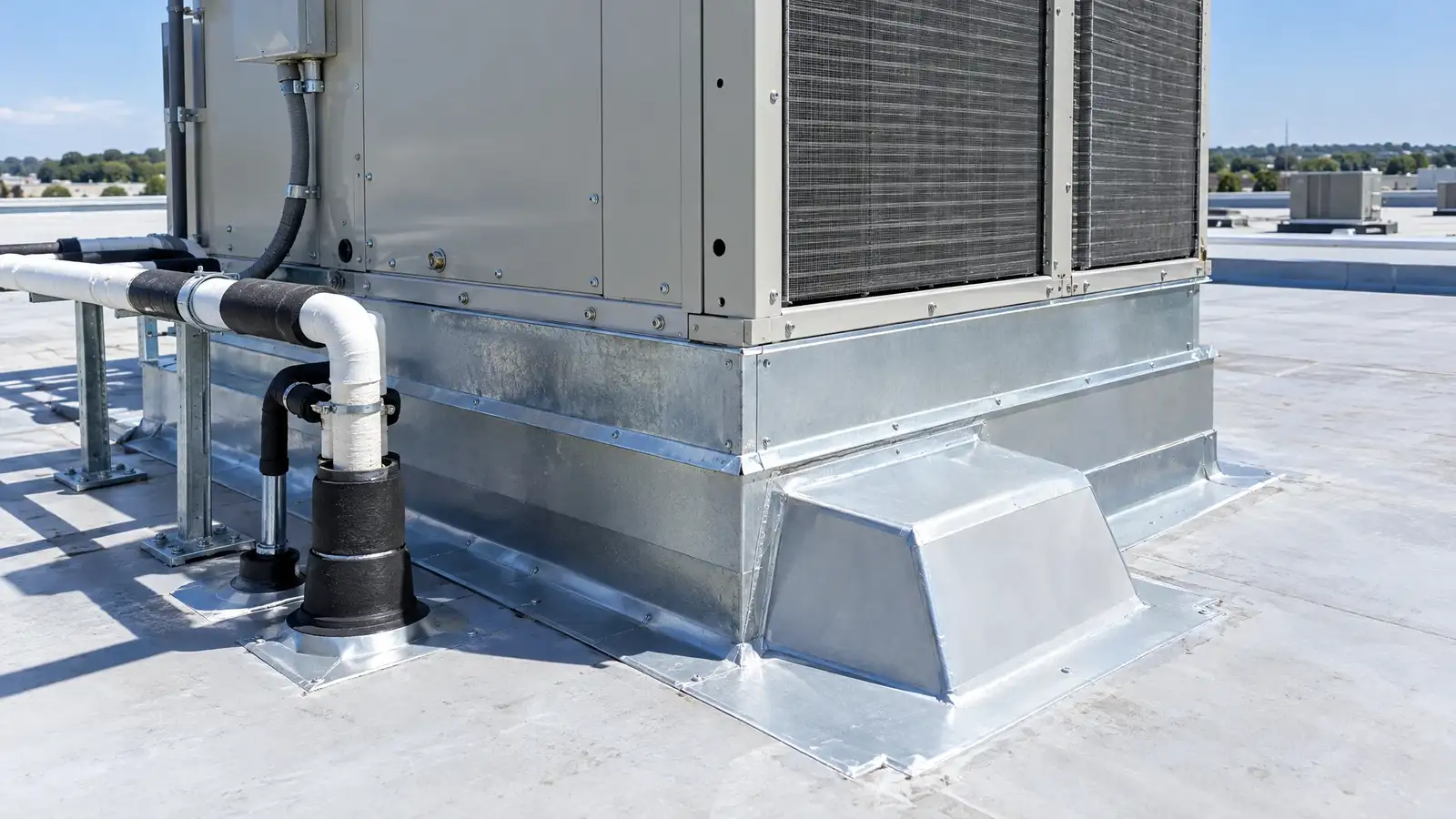
Inspect after hail, high winds, any leak, any repair, and any significant rooftop work, such as HVAC replacement. Also inspect before buying or selling a property and before warranty periods end.
Equipment technicians can unintentionally damage roofs, so checking after service pays off.
Warranty and insurance considerations
Roof warranties often require maintenance and periodic inspections to stay valid. Insurers may ask for records. Keeping inspection reports provides that documentation.
Read your warranty carefully.
Building a program
Consider a program that includes a baseline inspection, scheduled follow-ups and a storm response plan. Consistent reports allow comparison across years and buildings.
A roof asset plan turns inspections into budgets.
General information, not engineering, legal, insurance or safety advice. Roofs, policies and local requirements vary, and every roof should be judged on its own condition.