The short version
- ELD uses low-voltage current across the membrane
- A breach lets current pass where water can enter
- It works on suitable membrane roofs over conductive decks
- It pinpoints leaks to within inches
The principle
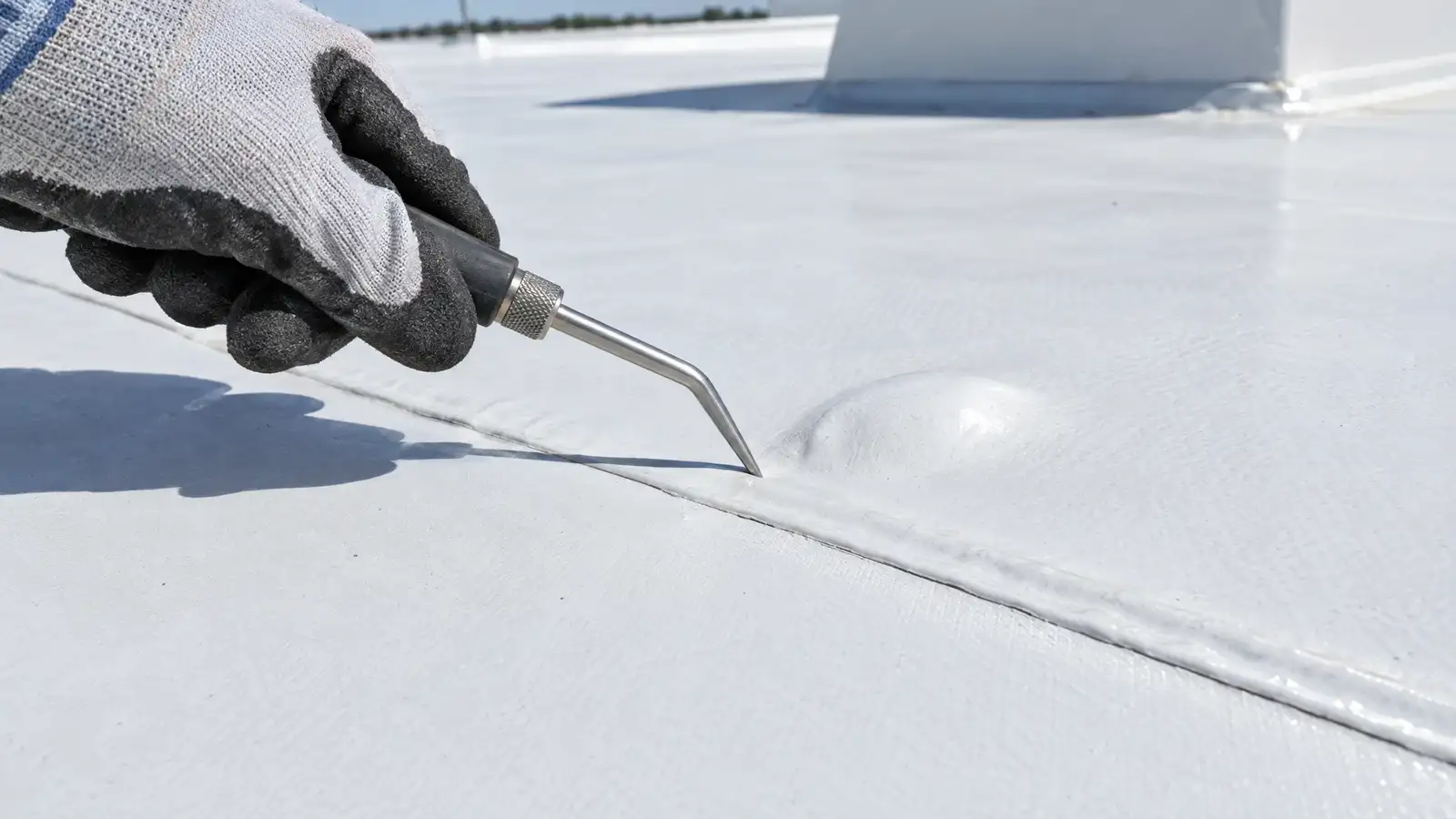
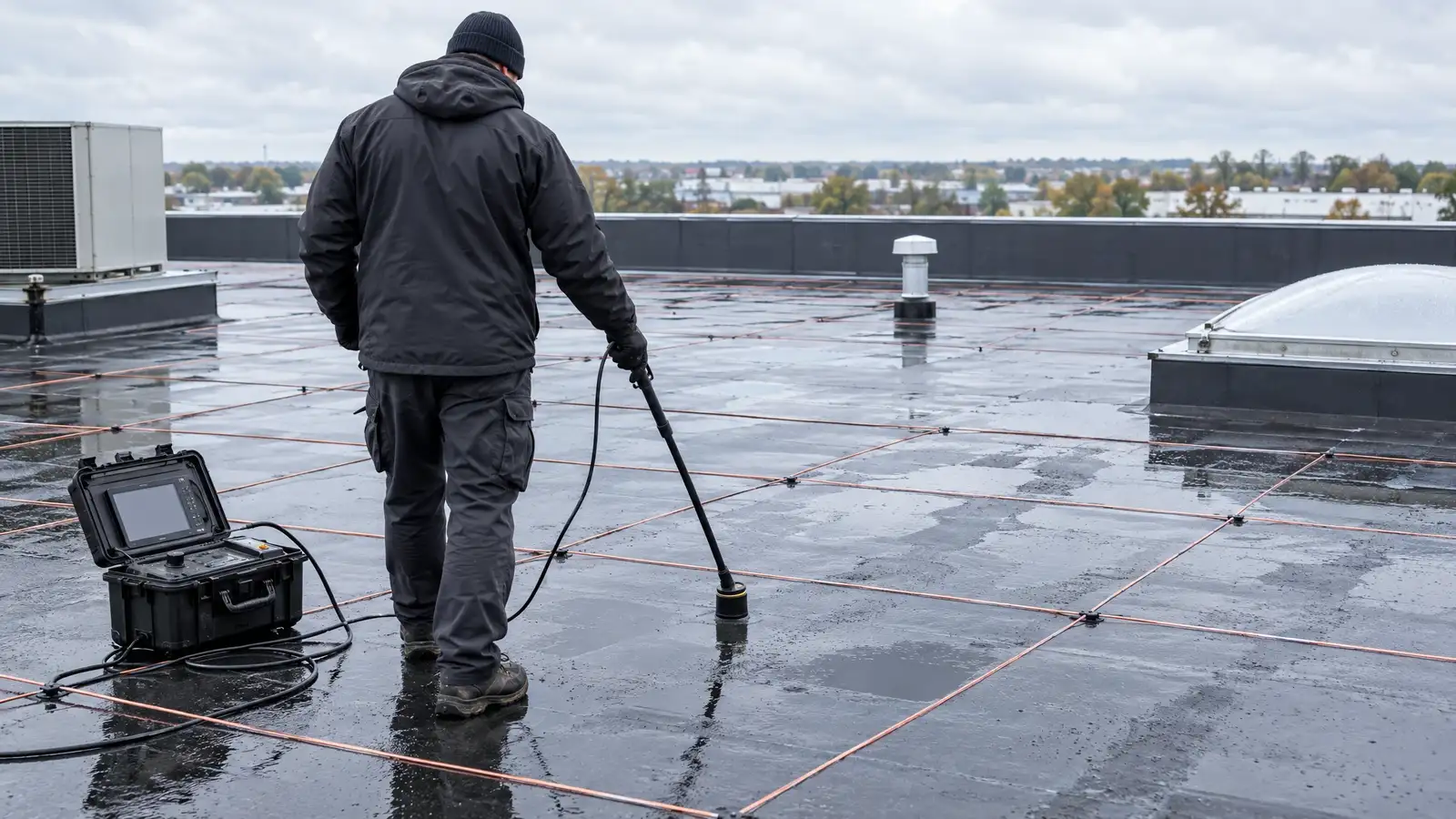
A waterproof membrane is also an electrical insulator. If you put a low-voltage current on the wet surface of the roof and ground it to the building’s deck or structure, current only flows where the membrane is breached. A probe finds those spots.
The leak location is found where water can actually enter.
What it needs
ELD works best on single-ply membranes like EPDM, TPO and PVC where the membrane is the waterproofing layer and there is a conductive path to the deck. The surface must be clean and wet, and there are constructions where it is less suitable.
An inspector determines suitability before testing.
What you get
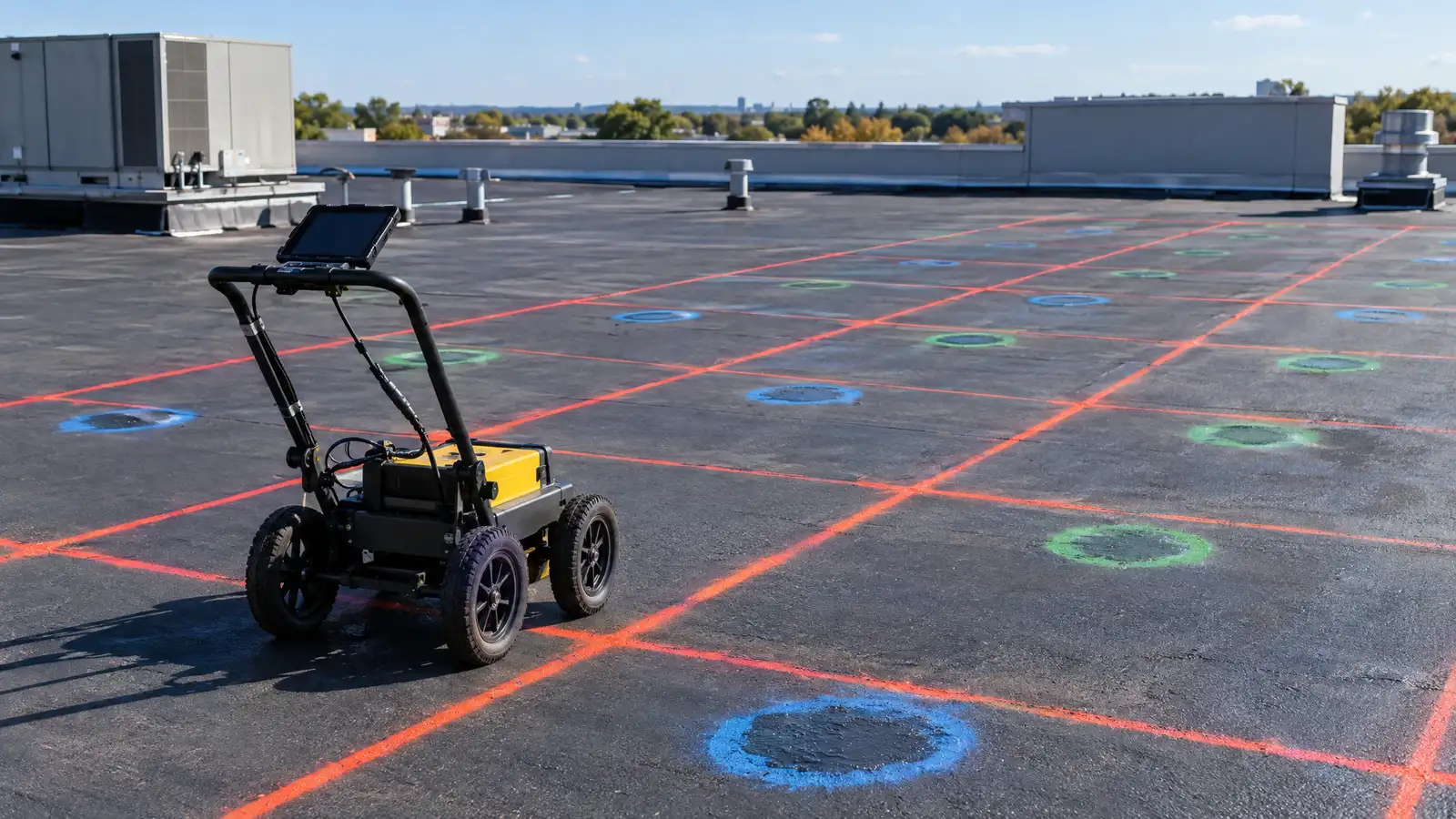
The result is a set of marked locations where the membrane is breached. Each is photographed and described. Repairs can then target those spots rather than guessing.
It is non-destructive and avoids unnecessary cutting.
Limits and alternatives
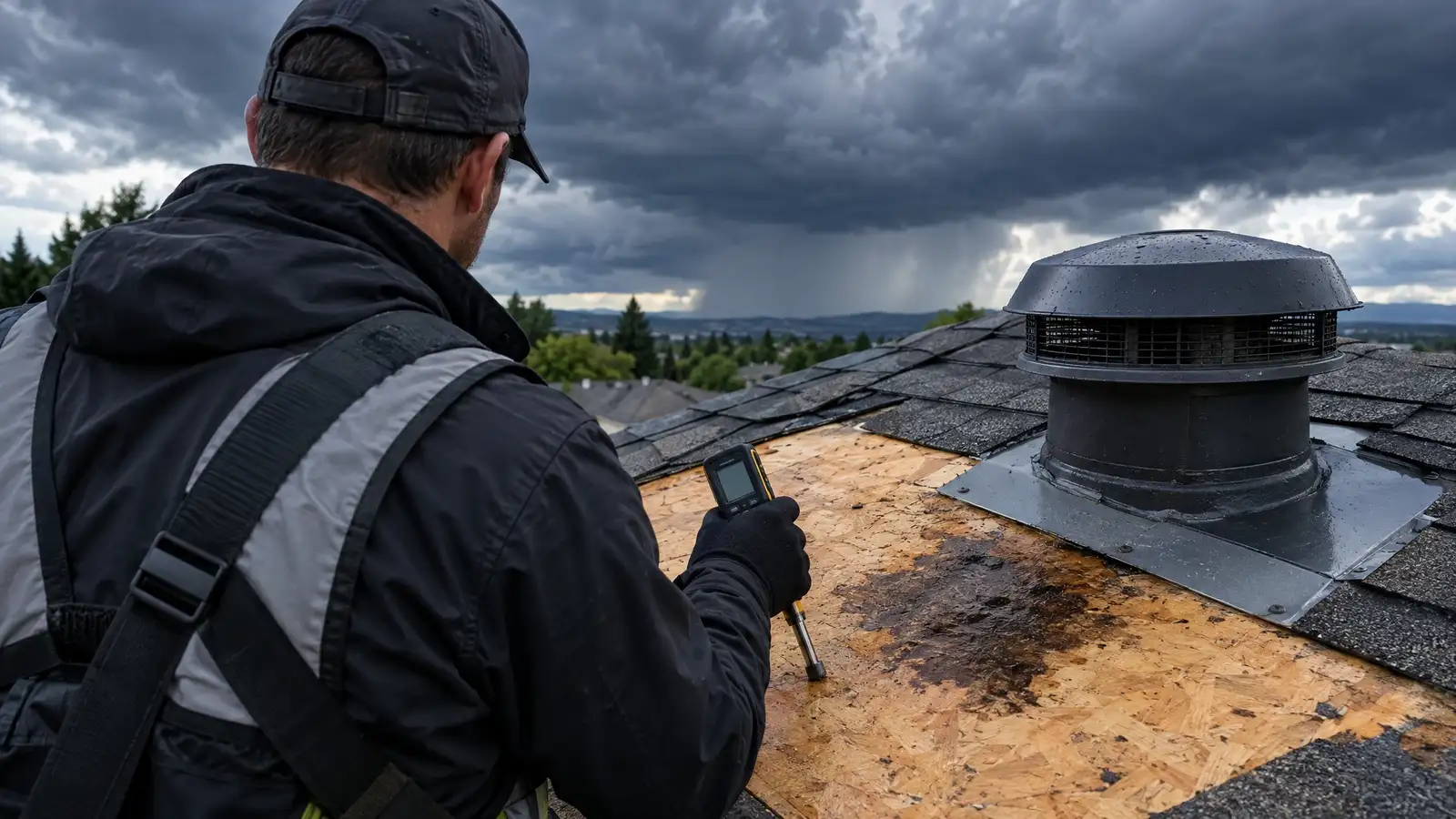
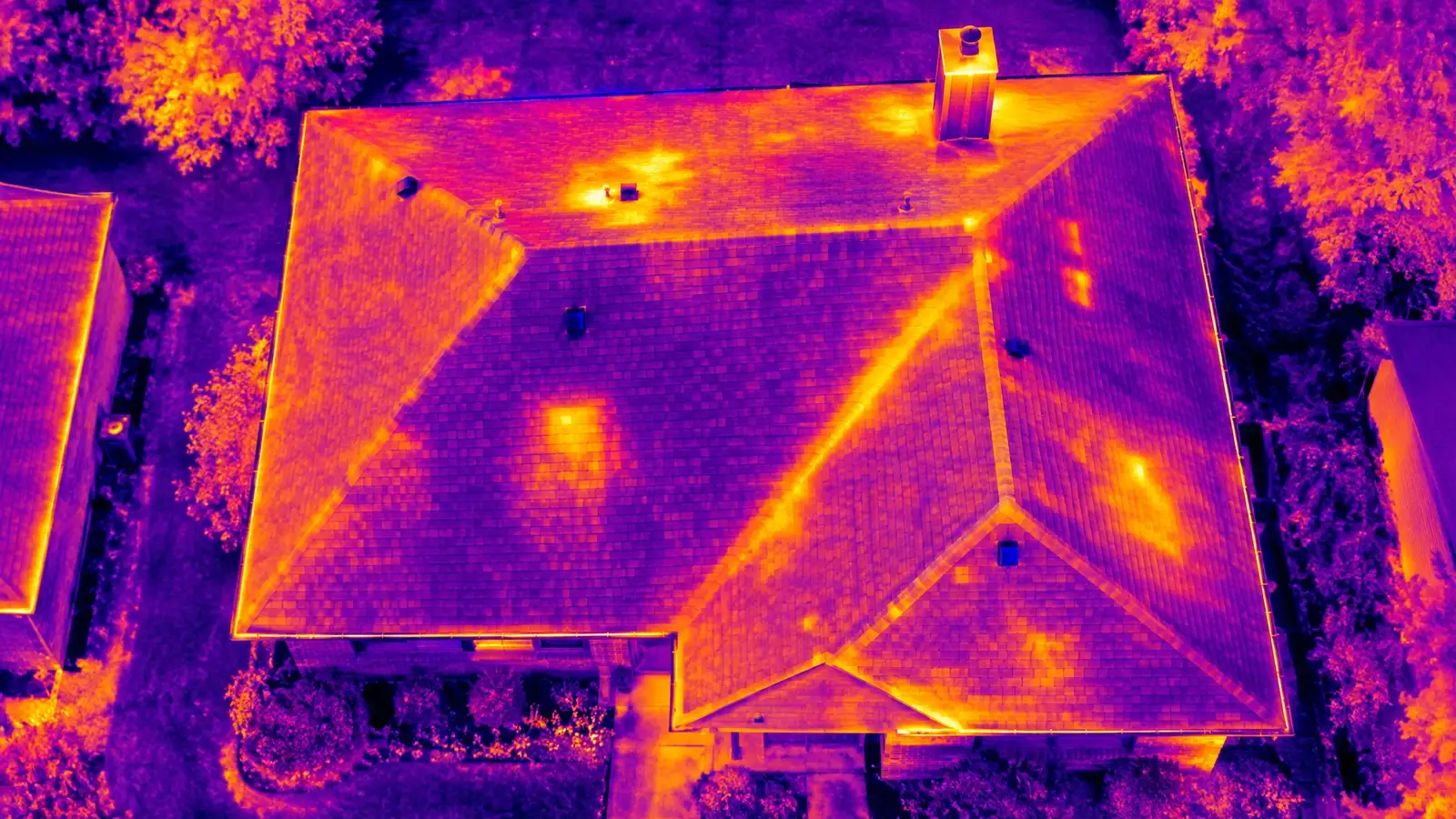
Some roofs, such as those with metal decks that are not grounded properly or thick gravel ballast, are harder. In those cases infrared, moisture mapping or water testing may be better.
Often a combination of methods gives the best answer.
General information, not engineering, legal, insurance or safety advice. Roofs, policies and local requirements vary, and every roof should be judged on its own condition.