The short version
- Drones cover large roofs quickly and safely
- High-resolution imagery shows seams, fasteners and defects
- Mapping gives measurements and defect locations
- Drones see surfaces, not what is inside the roof
Why use a drone
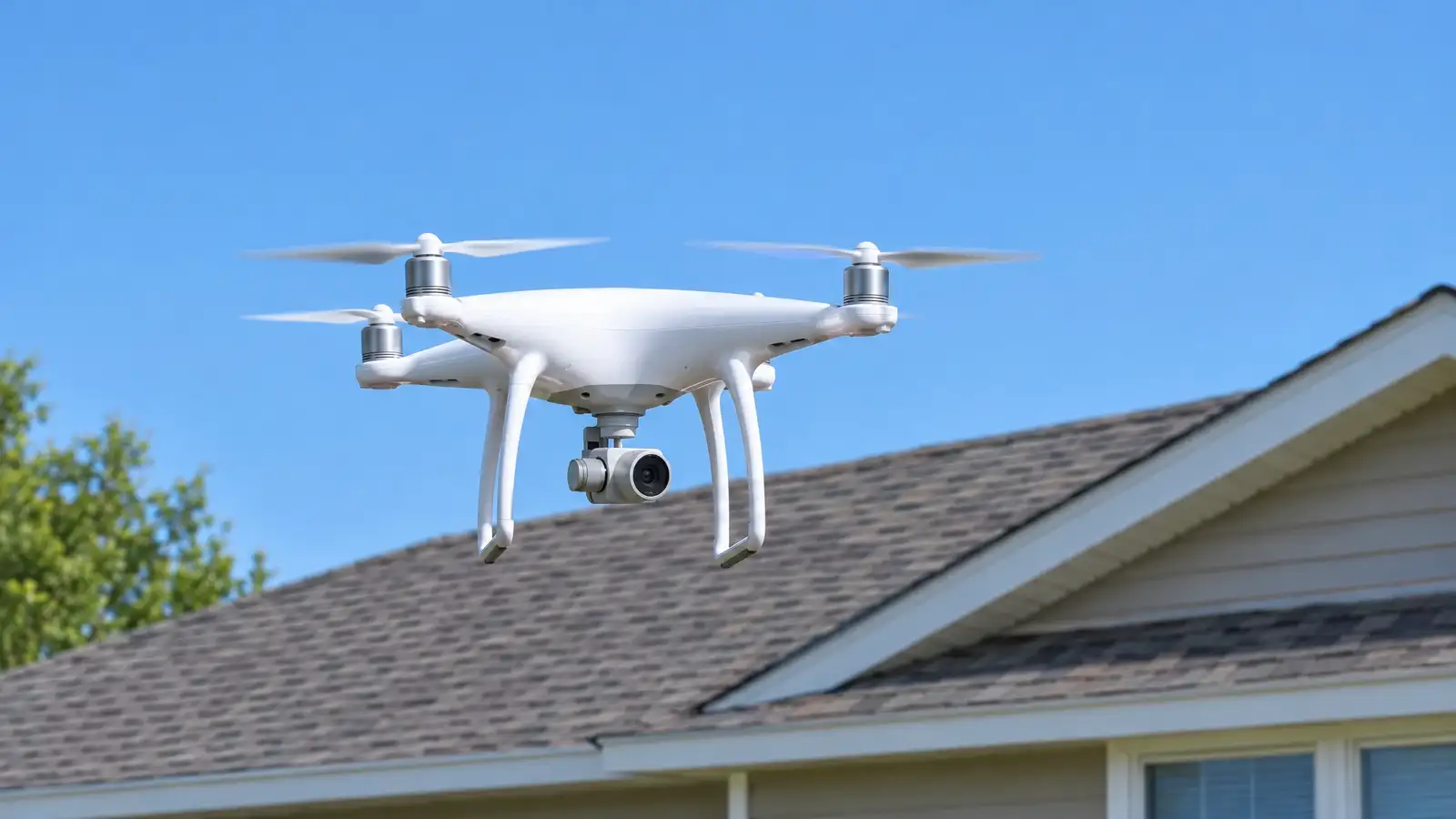
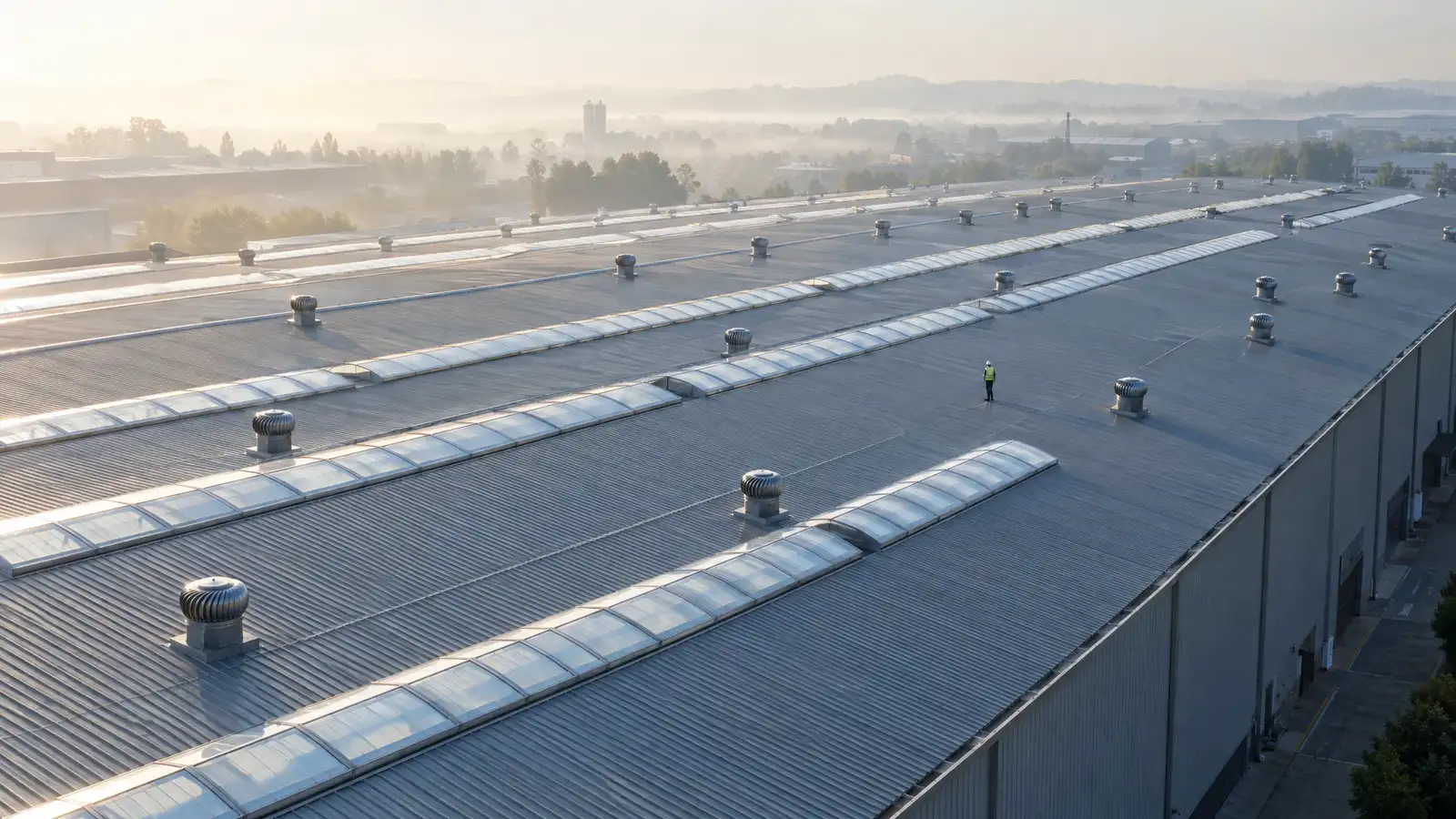
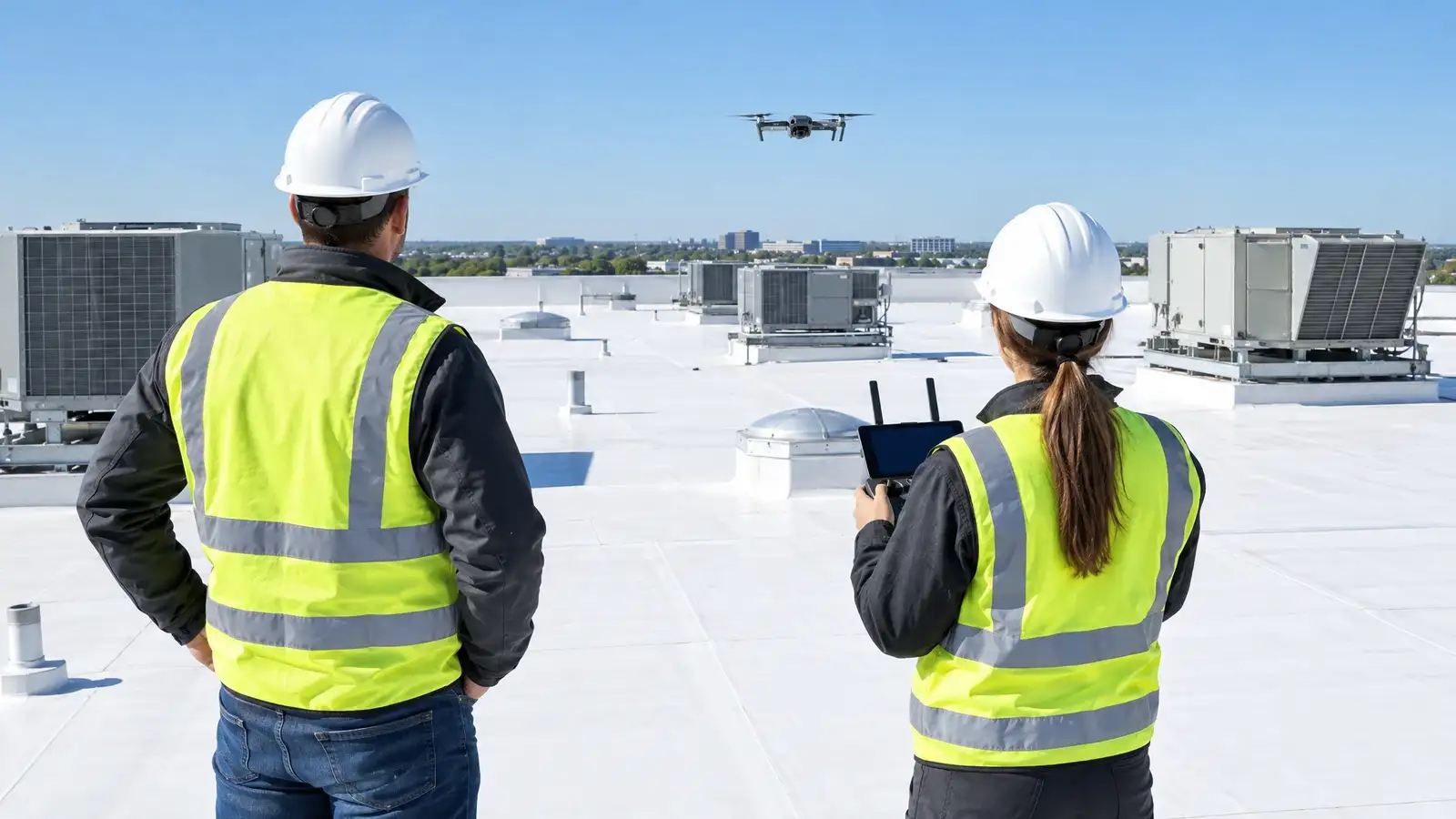
On a large roof, a drone can capture every section in minutes, without people walking on fragile surfaces. It reaches steep slopes, tall buildings, steeples and awkward areas. It also reduces fall risk and disruption to the building’s occupants.
The images can be reviewed in detail later.
What it captures
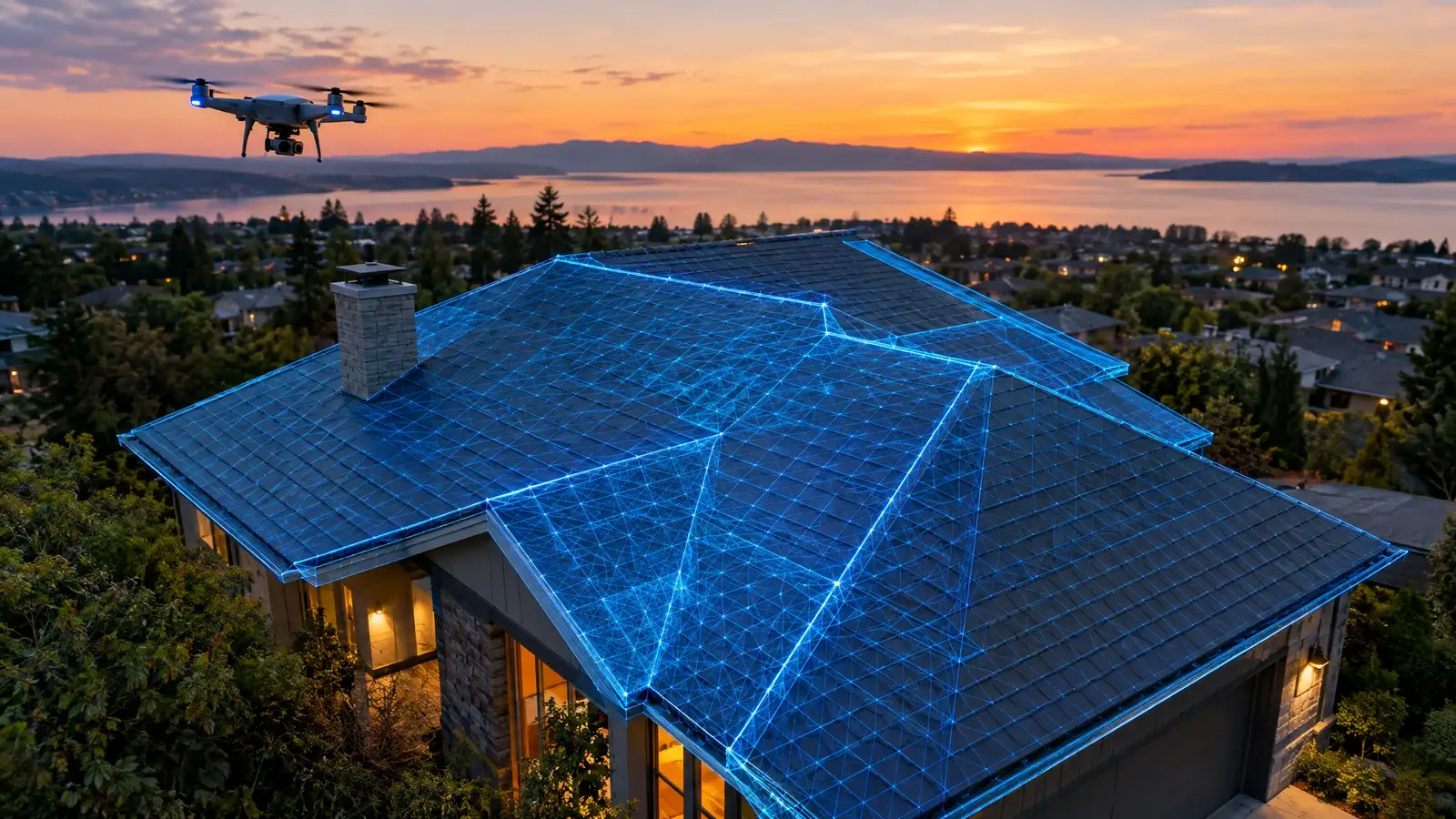
Overlapping photos build a full map of the roof. Close-up shots capture seams, flashings, fasteners and defects. Video helps explain context. Thermal cameras on drones can add temperature data for certain inspections.
Data can be linked to a roof plan with exact locations.
What it cannot do
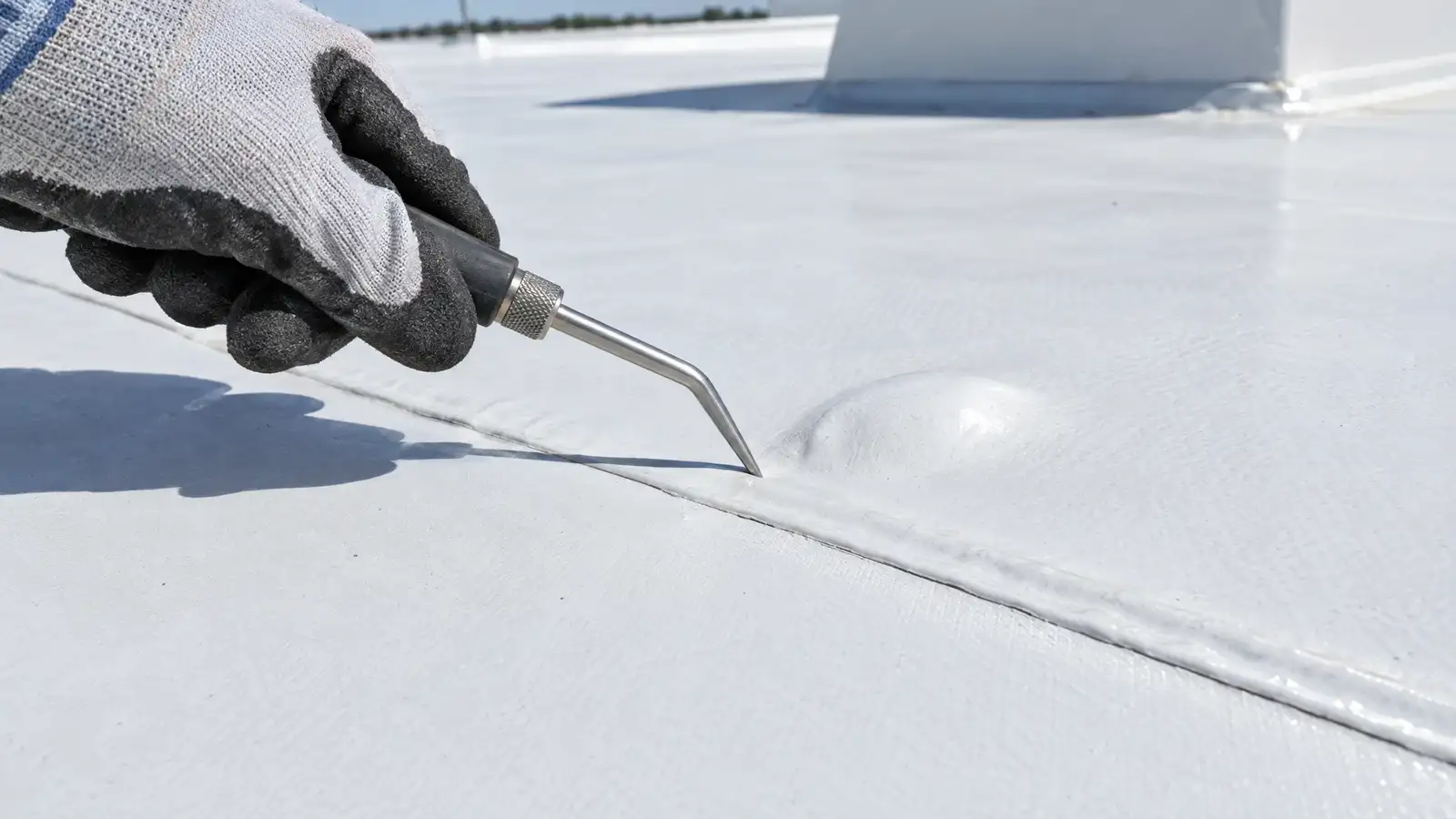
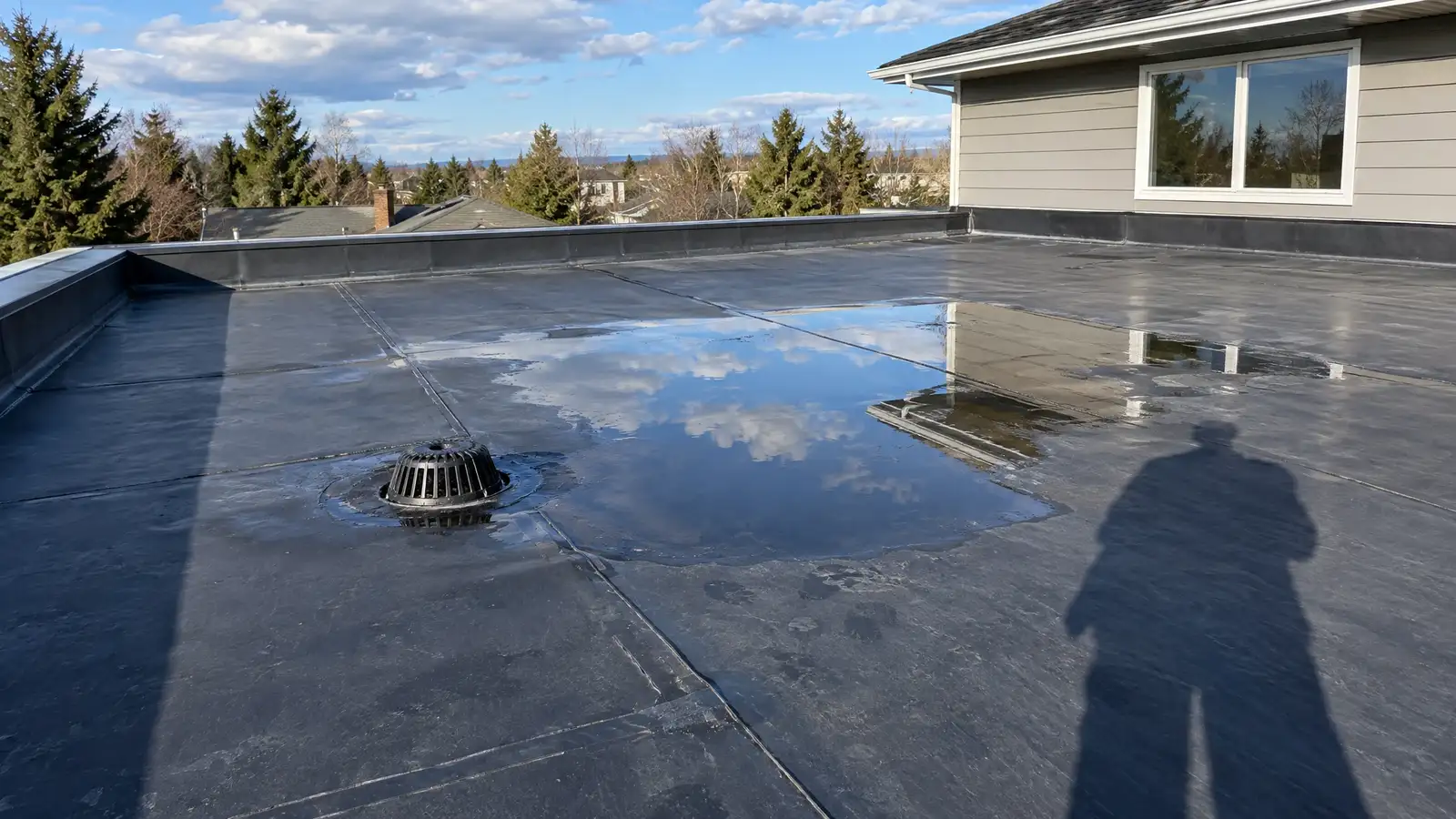
A drone cannot see moisture inside insulation without thermal imaging and cannot probe seams or test fasteners by hand. Wind, rain and airspace limits can stop flights. A drone shows surfaces and often points to places where hands-on or moisture testing should follow.
Used well, it is the first step, not the only one.
Planning a flight
Good flights follow safety rules, check airspace, plan paths and respect privacy. Owners should ask about the operator’s procedures and what deliverables to expect.
A clear report is the real product.
General information, not engineering, legal, insurance or safety advice. Roofs, policies and local requirements vary, and every roof should be judged on its own condition.