The short version
- Missing, curled or cracked shingles are visible warnings
- Granules in gutters mean the surface is wearing
- Ceiling stains and attic dampness mean water may be getting in
- Storms and age are reasons on their own
Signs you can see from the ground
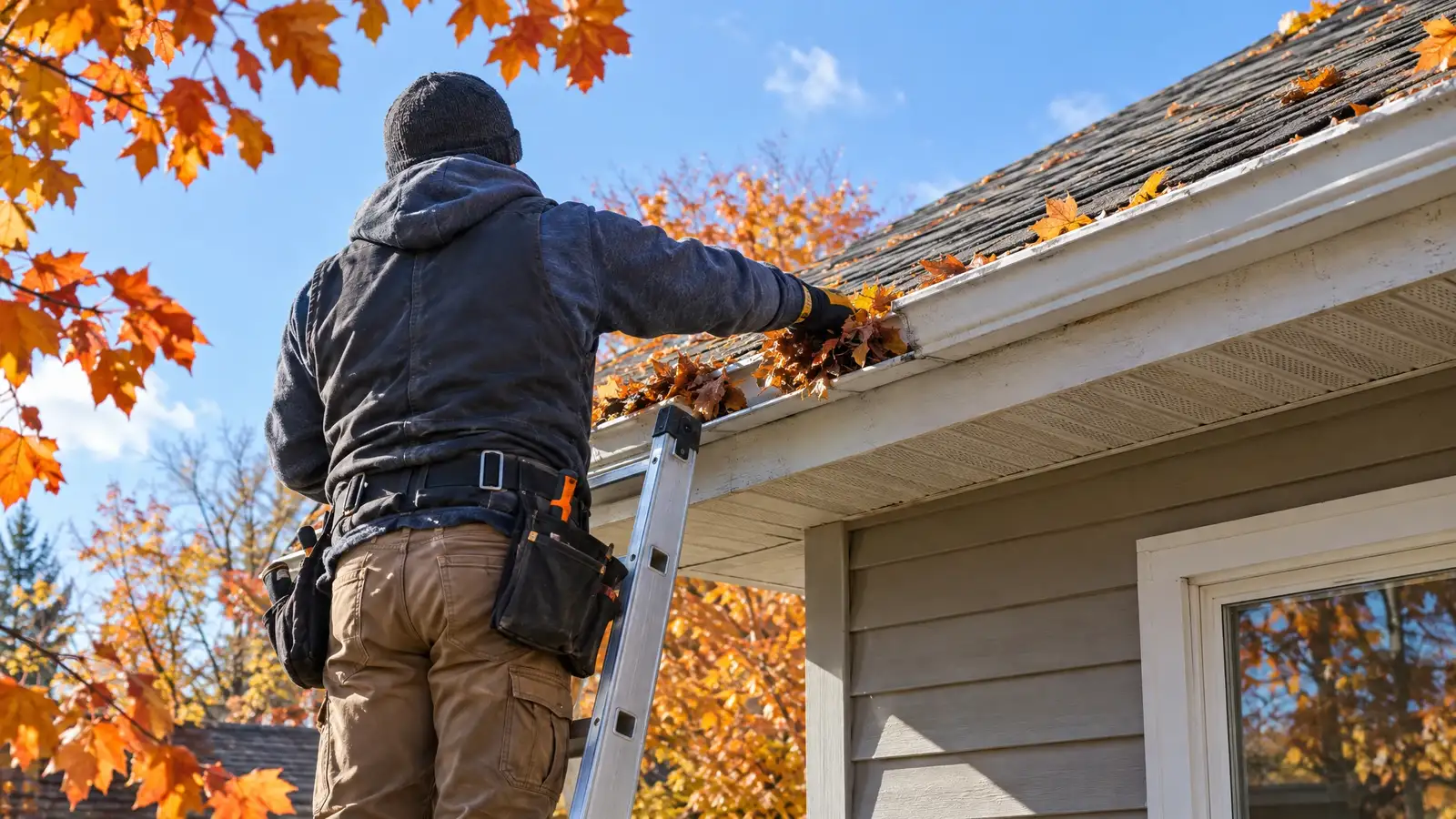
Missing shingles, curling or cupping edges, bare patches, sagging lines, dark streaks, moss and lifted flashing are all visible from the yard. Granules in the gutter or at the downspout outlet show that the surface is shedding its protection.
Binoculars help you see more without climbing.
Signs inside the house
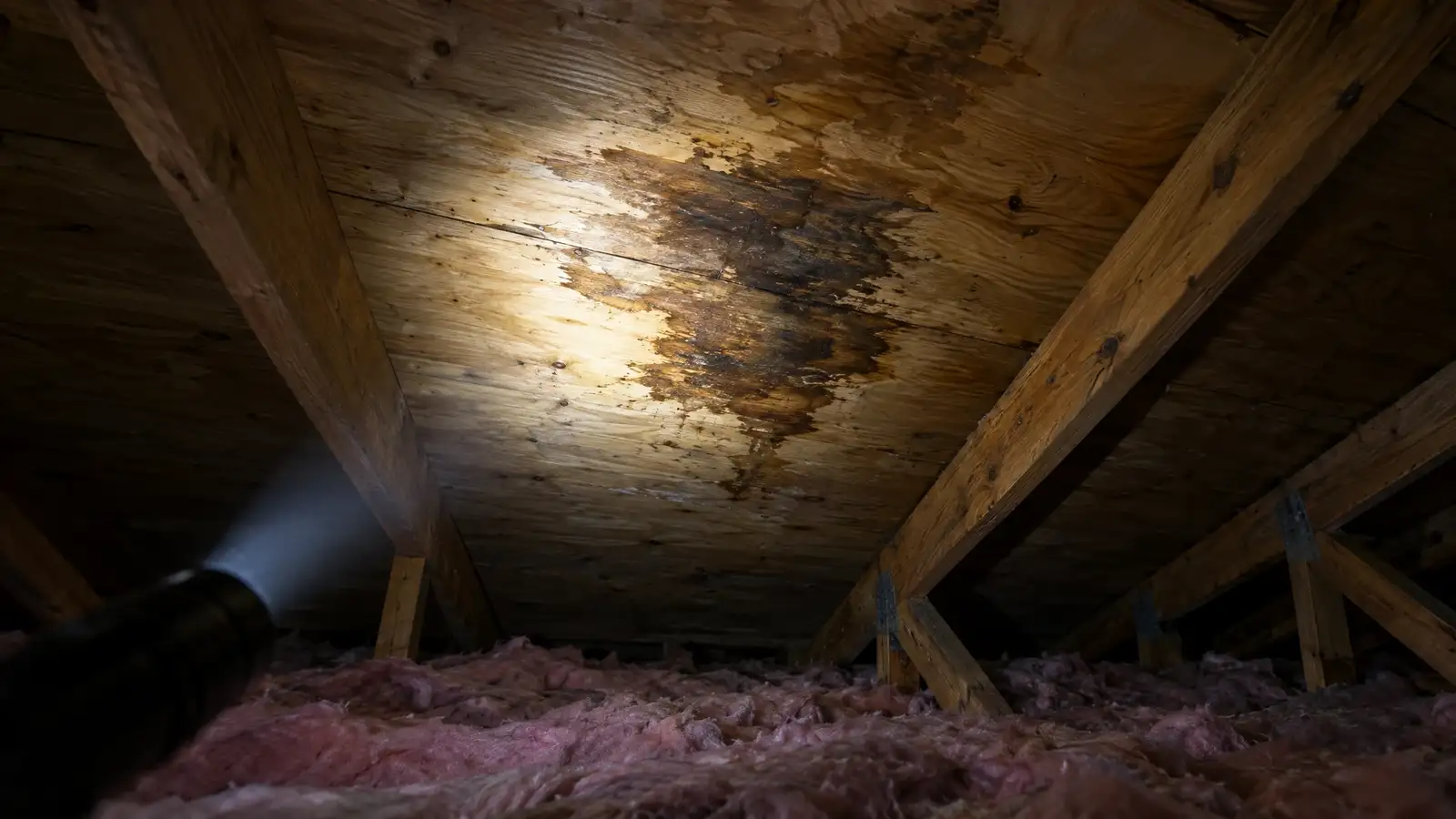
Brown rings on ceilings, bubbling or peeling paint, damp or musty odors in the attic, daylight showing through the roof boards and rising energy bills can all point to roof trouble.
Check the attic on a dry day with a flashlight, and look at ceilings after heavy rain.
Events that call for inspection
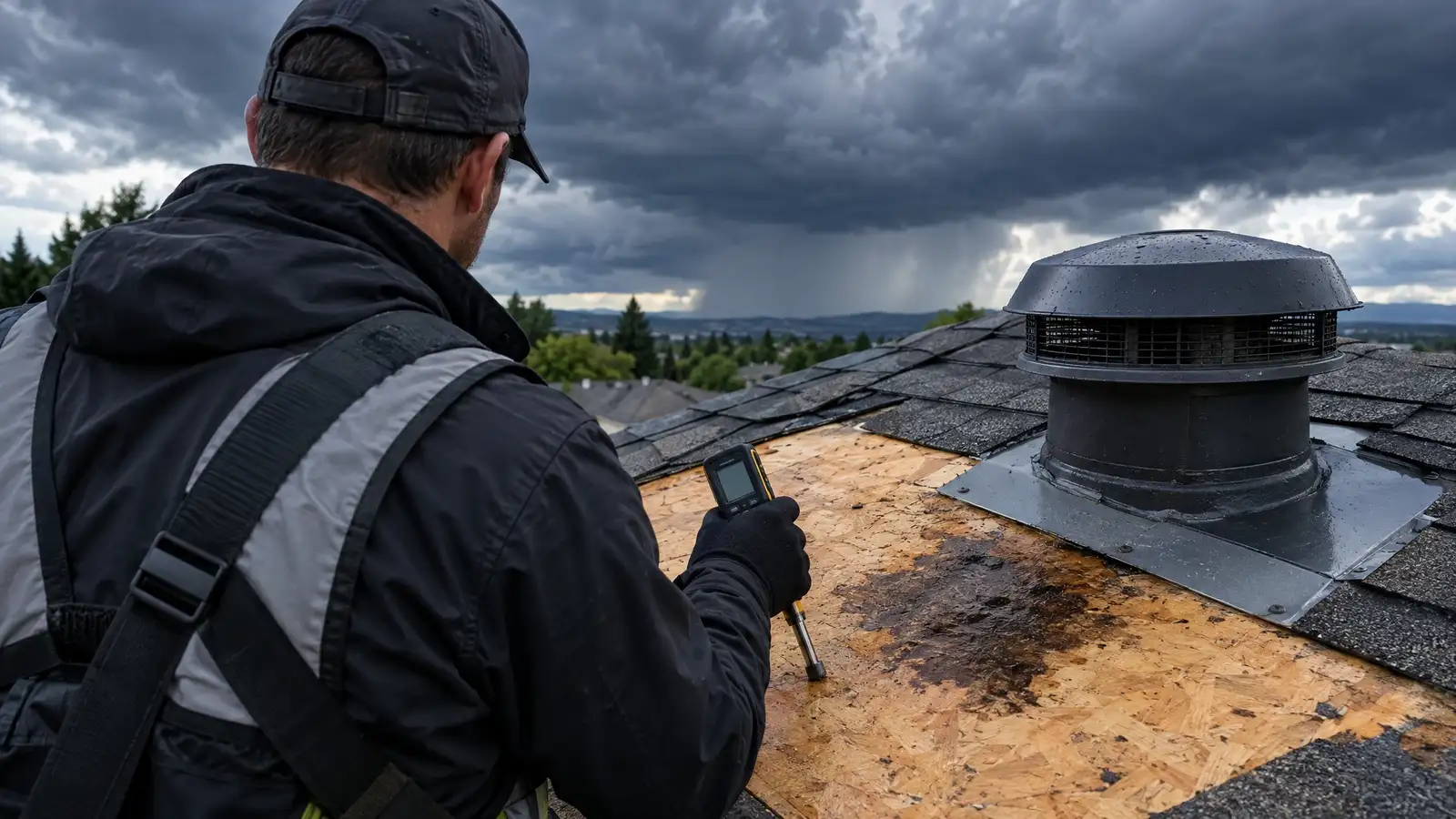
Hail, high winds, a fallen limb, a nearby lightning strike or a particularly heavy storm are reasons to have the roof looked at even if you see nothing wrong. So is buying or selling a home.
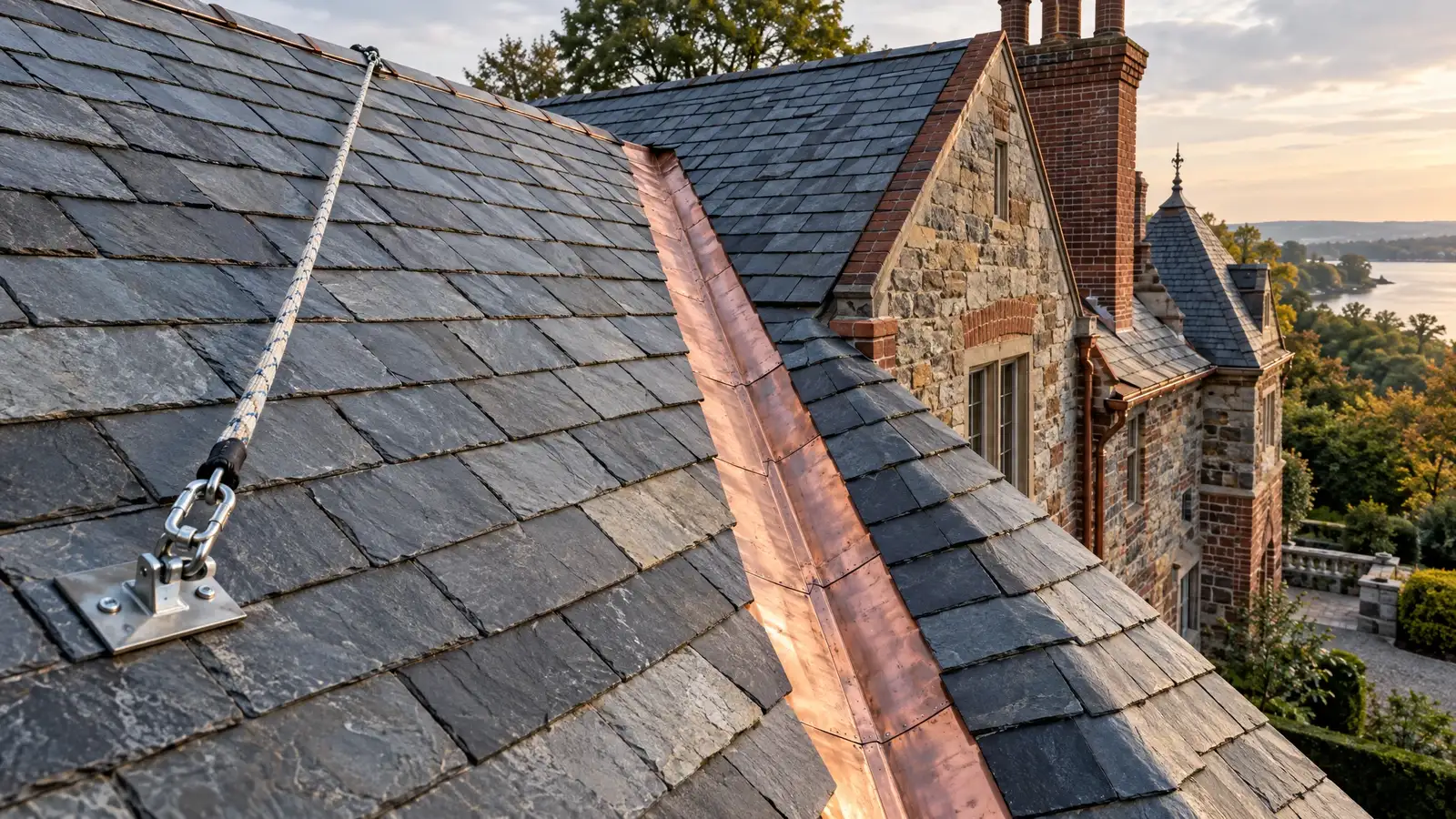
Age matters too: a roof past its midpoint benefits from regular checks.
What to do next
Do not climb on a roof if you are not trained and equipped. Take photos from the ground, note when you saw the signs and call for an inspection. If water is entering the house, protect belongings and consider temporary measures.
An inspection will tell you whether the problem is minor or needs a contractor.
General information, not engineering, legal, insurance or safety advice. Roofs, policies and local requirements vary, and every roof should be judged on its own condition.