The short version
- Age, extent of damage and repair history all matter
- Widespread wear favors replacement; isolated damage favors repair
- Hidden moisture can change the answer
- Get facts before bids
Questions to ask
How old is the roof, and what is its expected life? Is damage isolated or widespread? Has it been repaired repeatedly? Is there hidden moisture or deck damage? Are you selling soon or staying long term?
The answers point toward repair or replacement.
When repair makes sense
Isolated damage on a roof with plenty of life left is usually a repair: a pipe boot, a few shingles, a flashing. Repairs are also sensible when replacement is planned within a year or two.
Repairs that last require sound surrounding materials.
When replacement makes sense
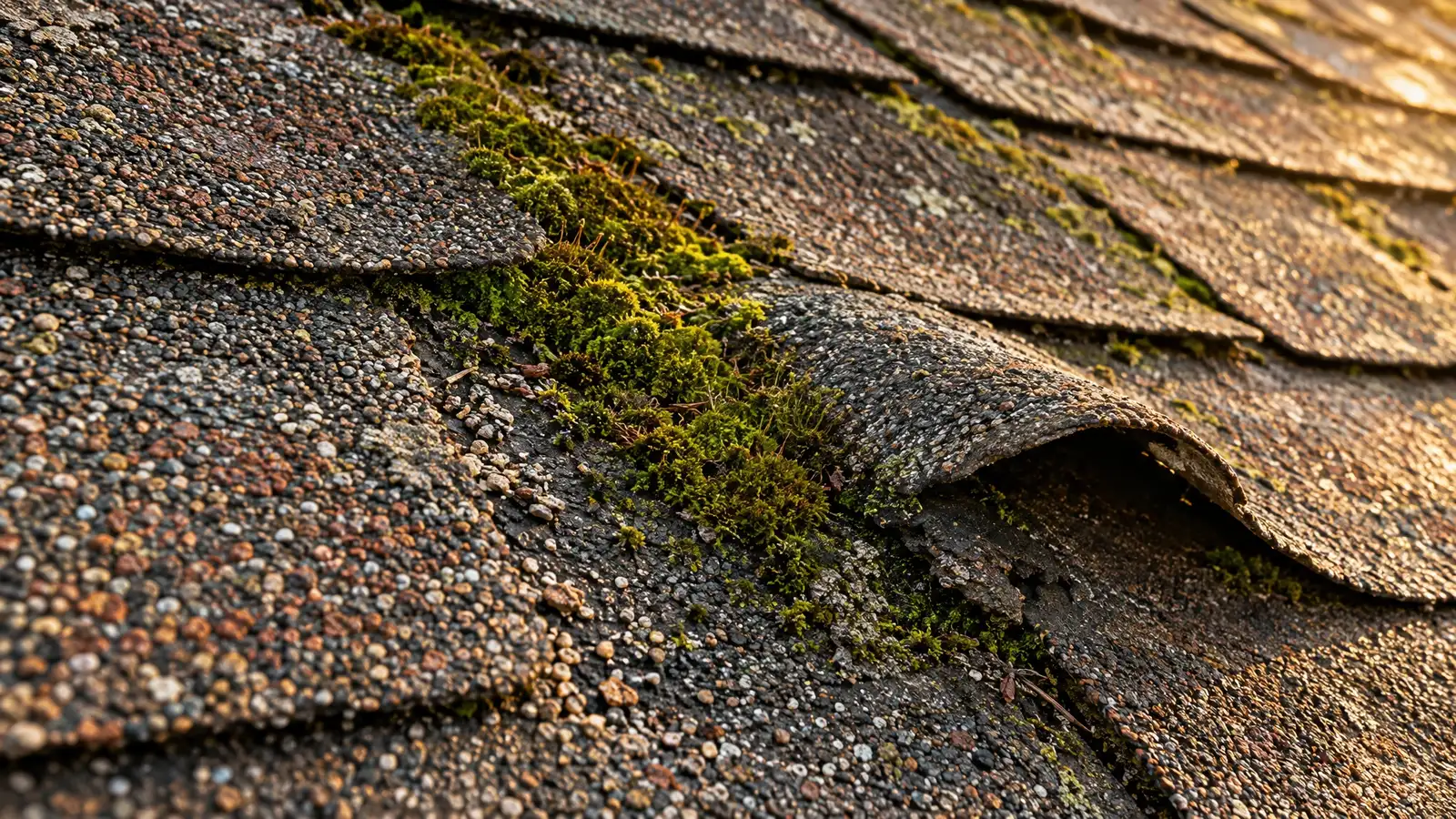
Widespread granule loss, curling, cracking, repeated leaks, deck damage and a roof past its life suggest replacement. Patching a failing roof can waste money.
On flat roofs, a moisture survey may show whether partial replacement is possible.
Getting a clear answer
An inspection documents condition and hidden problems. Use it to request bids on the same scope, and consider a second opinion for big decisions.
Information beats pressure.
General information, not engineering, legal, insurance or safety advice. Roofs, policies and local requirements vary, and every roof should be judged on its own condition.