The short version
- It covers roofing, flashings, penetrations, gutters and the attic
- It estimates condition and likely remaining life
- It does not predict the future or price repairs
- Timing matters during a short due-diligence window
What is inspected
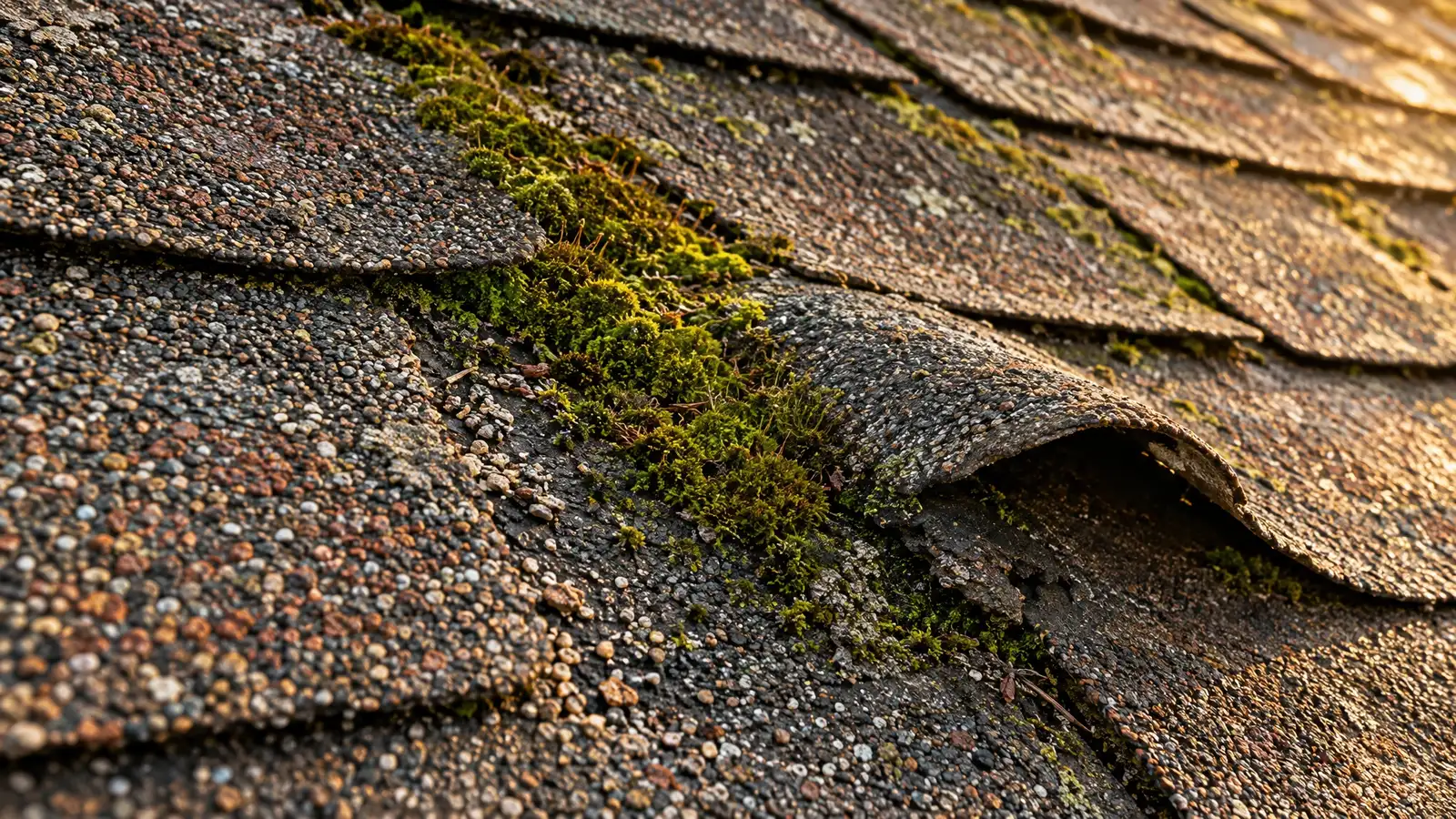
The inspector examines the roofing material, ridges, valleys, flashings, vent pipes, chimneys, skylights, gutters and edges, and checks the attic for stains, damp insulation and ventilation issues. Photos document each finding.
A thorough inspection takes more time than the roof portion of a general home inspection.
What you learn
You learn what condition the roof is in, what repairs are needed now, what to watch and an approximate sense of remaining life. You also learn whether there are signs of past or active leaks.
That information supports negotiation and budgeting.
What it does not do
It does not guarantee the roof will not leak, price repairs or replace a contractor’s estimate. It reflects condition on the day of inspection.
For big decisions, a contractor’s bid is a useful addition.
Timing and use
Inspection periods are short, so schedule early. Share the report with your agent, then decide whether to ask for repairs, a credit or a price adjustment, or to plan for replacement.
Decisions are yours.
General information, not engineering, legal, insurance or safety advice. Roofs, policies and local requirements vary, and every roof should be judged on its own condition.