The short version
- Start with the summary and priorities
- Photos should be labeled and located
- Ratings describe condition, not price
- Separate urgent items from monitoring items
Start with the summary
Good reports open with a summary: the roof type, approximate age, overall condition and the most important findings. Read that first. It tells you whether the rest is routine or demands action.
Then scan the priority list.
Photos and locations
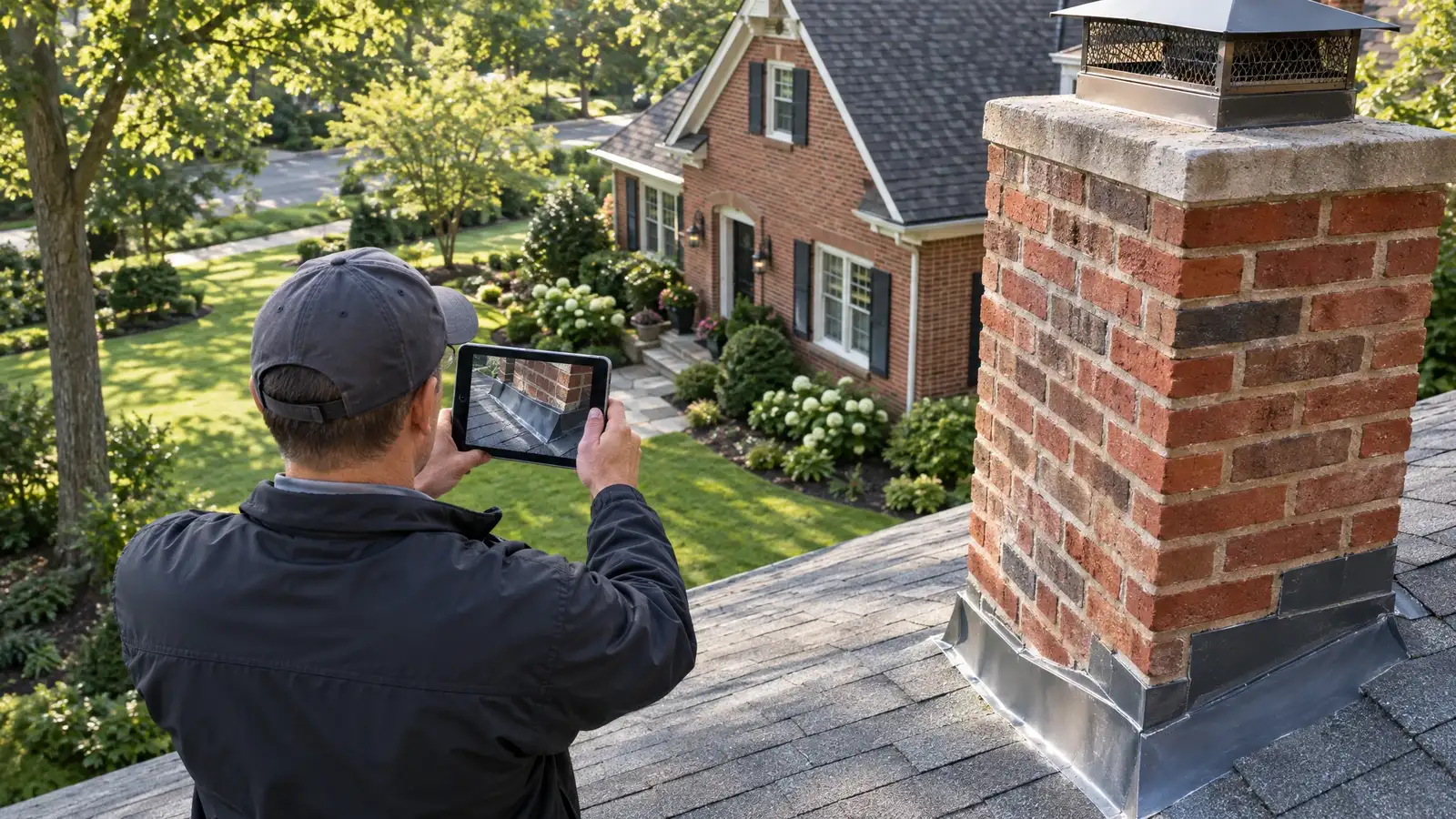
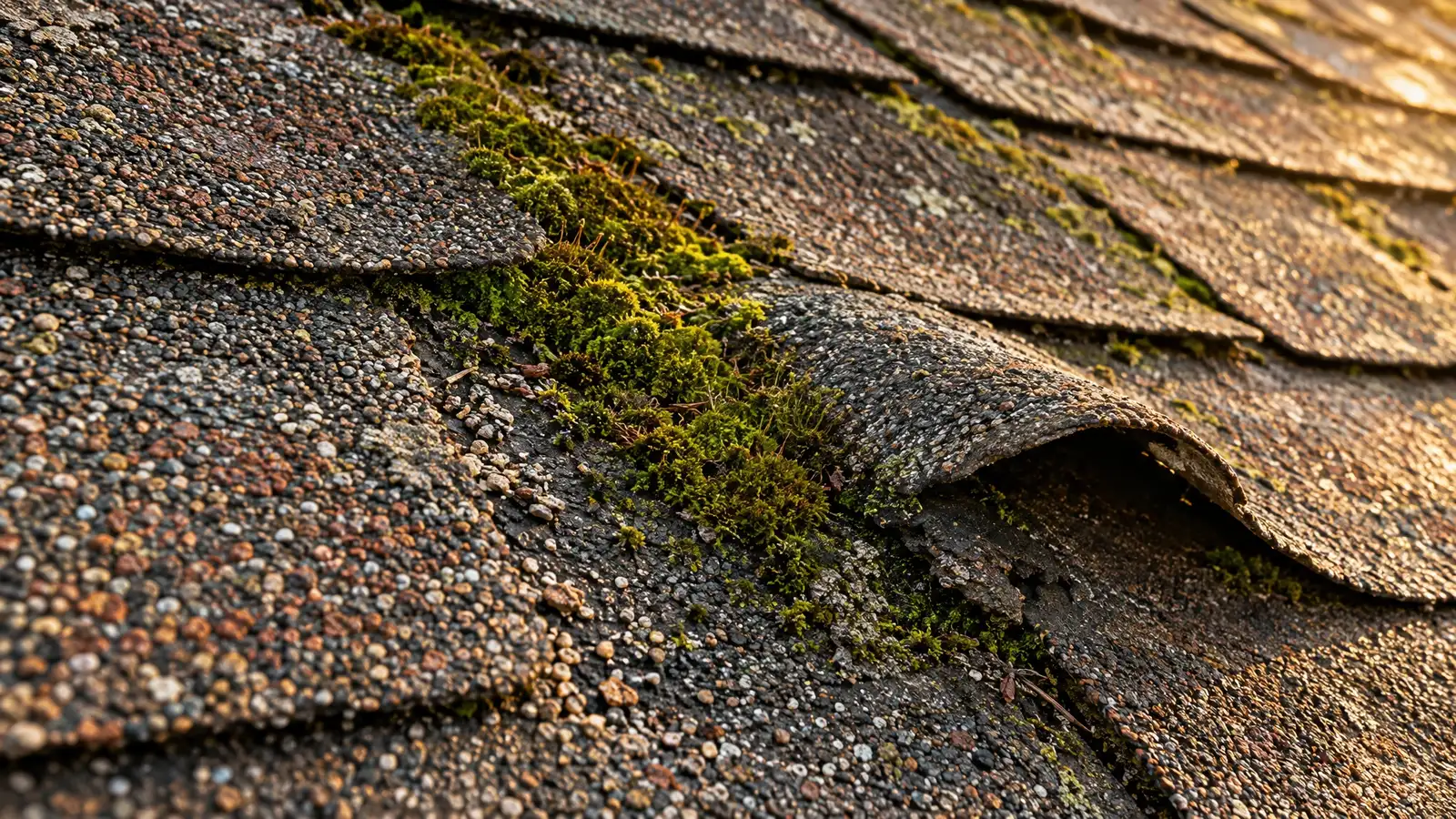
Each finding should have a photograph and a location, such as a slope or a detail like the chimney. A roof diagram helps. If you cannot tell where a photo was taken, ask.
Photos are the evidence behind the words.
Ratings and priorities
Reports often use terms like good, fair, poor, or urgent, soon and monitor. Ask how the inspector defines them. A rating describes condition. It does not set a price or decide replacement.
Urgent items usually involve active water entry or safety.
What to do next
Share the report with roofing contractors to get quotes on the same scope. Keep it with your home records. Ask the inspector to explain anything unclear.
A good report should leave you better informed, not more confused.
General information, not engineering, legal, insurance or safety advice. Roofs, policies and local requirements vary, and every roof should be judged on its own condition.