The short version
- Warm humid air and shade favor algae and moss
- Dark streaks are often cosmetic; moss can be harmful
- Pressure washing can damage shingles
- Trim trees and keep valleys clear
Why it grows
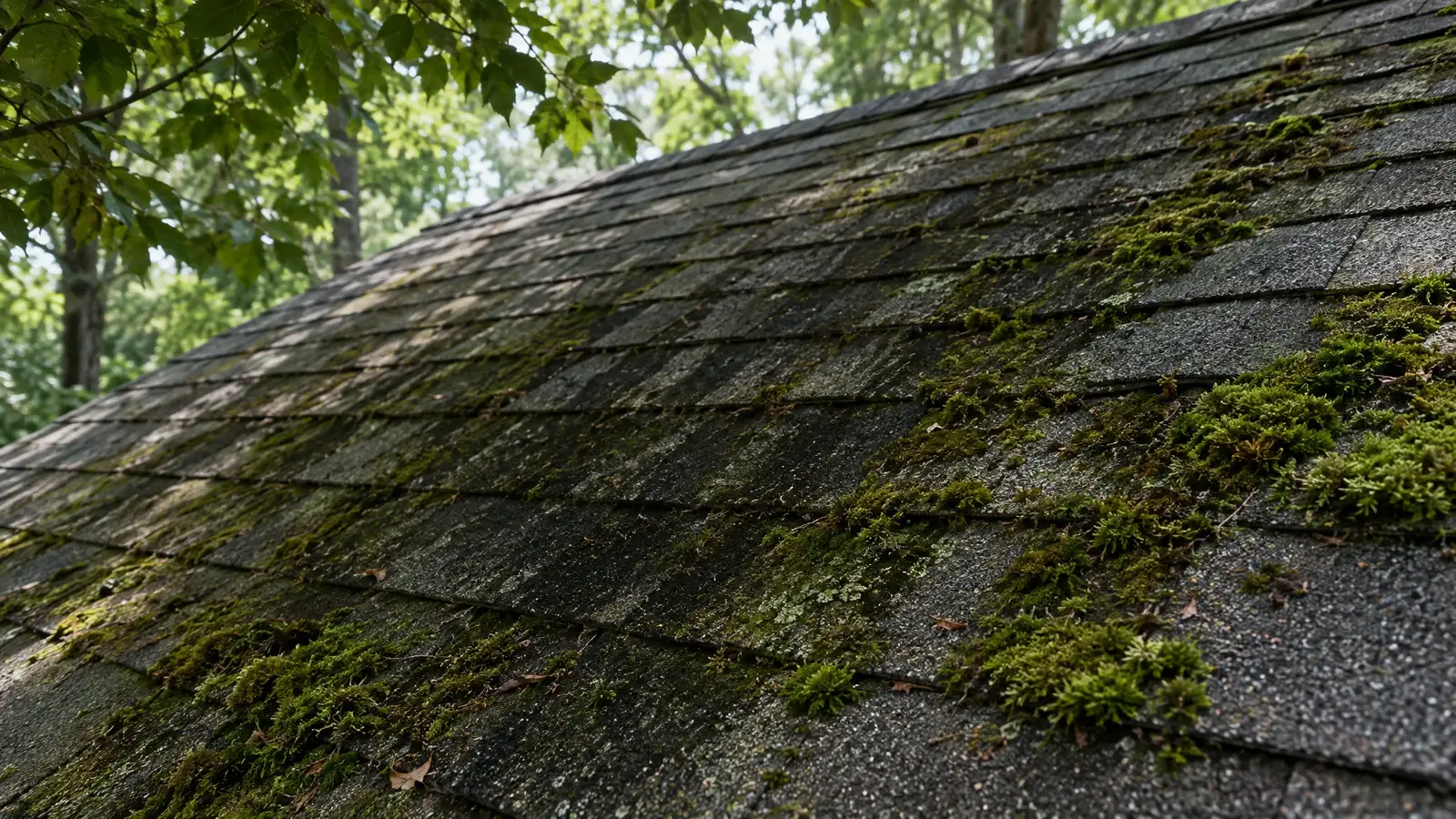
Algae spores travel on the wind and settle on damp roofs. In warm, humid climates with shaded roofs, they flourish, forming dark streaks. Moss prefers cooler, shaded and persistently damp spots. Overhanging trees add moisture and organic debris.
North-facing and shaded slopes show growth first.
Is it harmful?
Algae is mostly cosmetic but can speed up aging in severe cases. Moss holds moisture, can lift shingle edges and may hide damage. Lichen can adhere tightly and be hard to remove.
An inspection tells you which applies.
What not to do
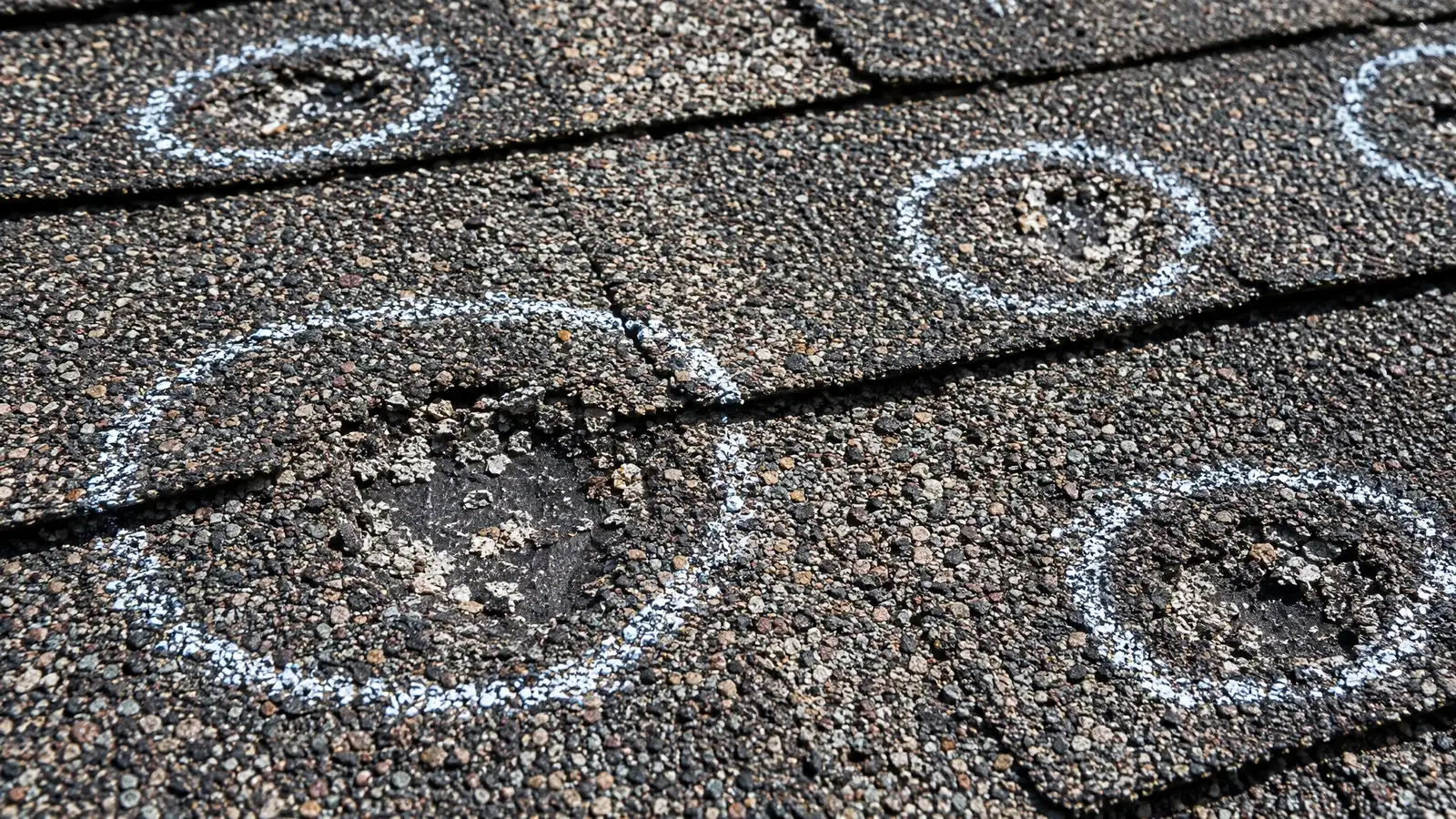
High-pressure washing can strip granules and force water under shingles, shortening roof life. Harsh chemicals can harm plants and surfaces.
Use appropriate methods and qualified contractors.
Prevention
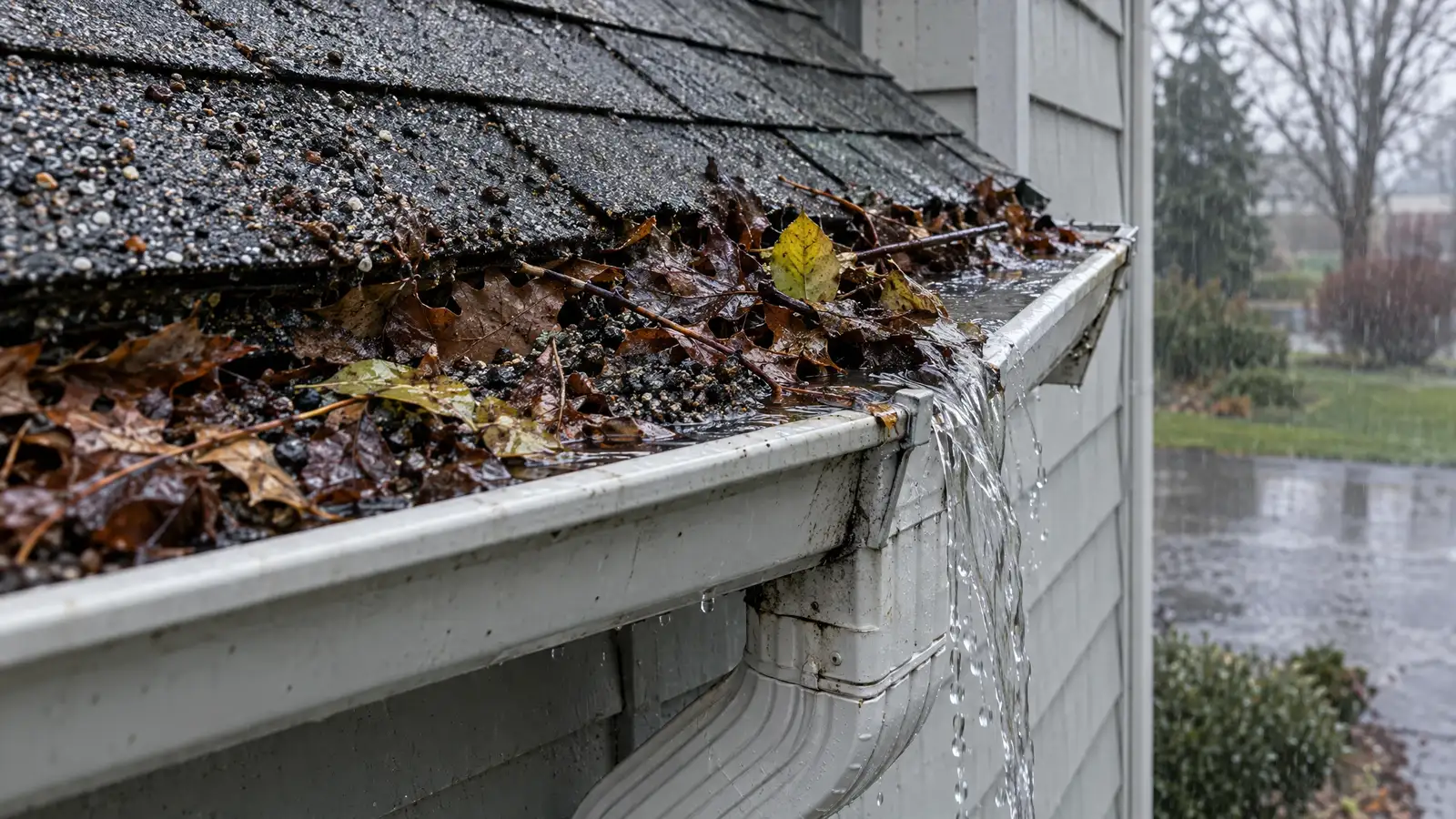
Trim limbs to let sun and air reach the roof, keep gutters and valleys clear and consider whether algae-resistant materials make sense when replacing the roof. Zinc or copper strips can discourage growth.
Regular inspections catch trouble early.
General information, not engineering, legal, insurance or safety advice. Roofs, policies and local requirements vary, and every roof should be judged on its own condition.