The short version
- Hail is most common in spring storms
- It can fall in narrow, intense swaths
- Neighbors’ damage is a clue to inspect yours
- Inspect soon after hail and before the next storm
When and where
Severe thunderstorms in spring are the most common hail producers in Middle Tennessee, though hail can occur at other times. Hail often falls in narrow swaths, so one street can be hit while the next is spared.
Weather alerts and local reports help you know if hail fell near you.
Before the season
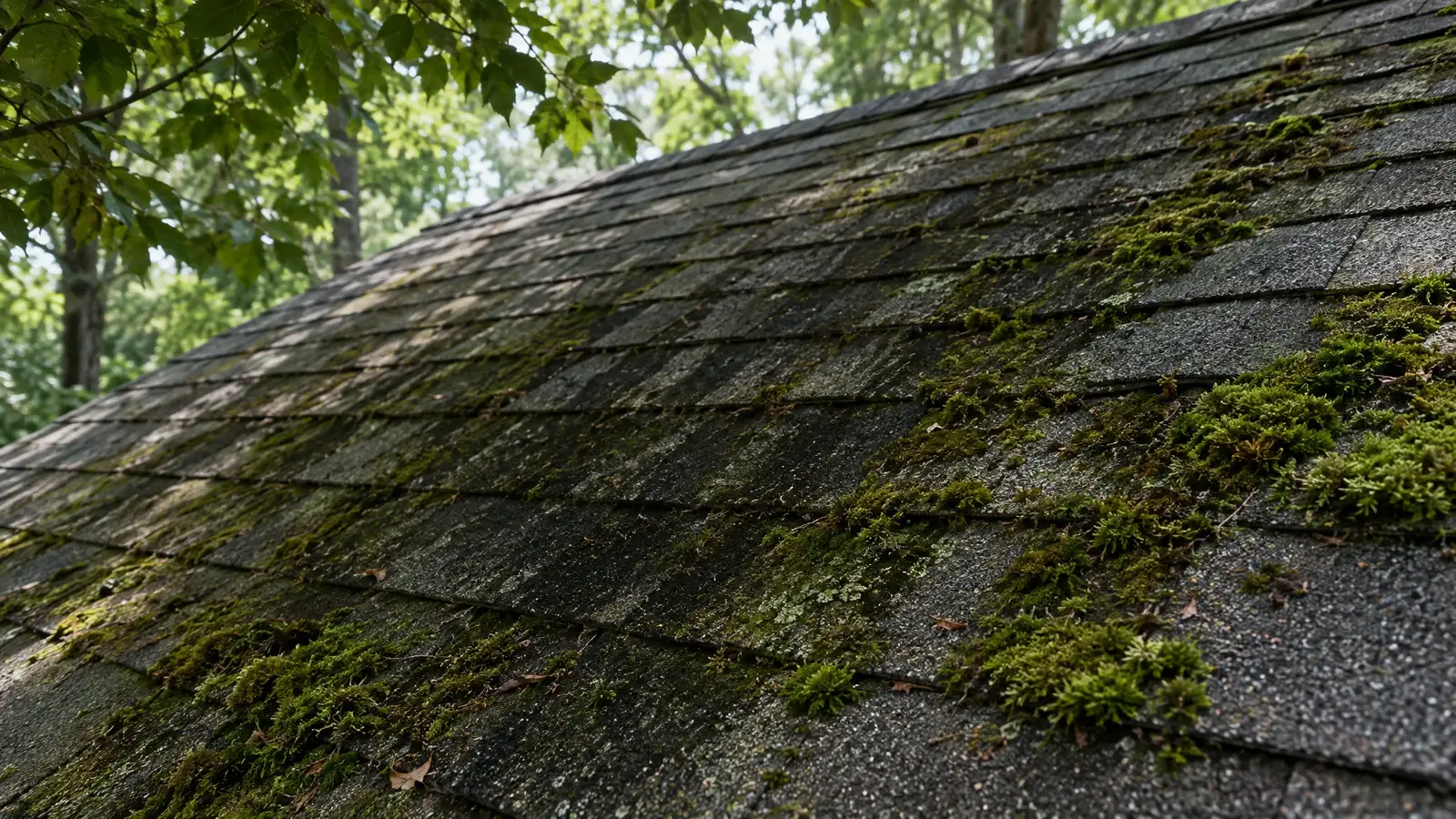
A pre-season inspection documents your roof’s condition and finds weak points. Clearing debris, trimming limbs and checking flashing help. A baseline set of photos shows what the roof looked like before a storm.
This baseline is useful later.
After hail
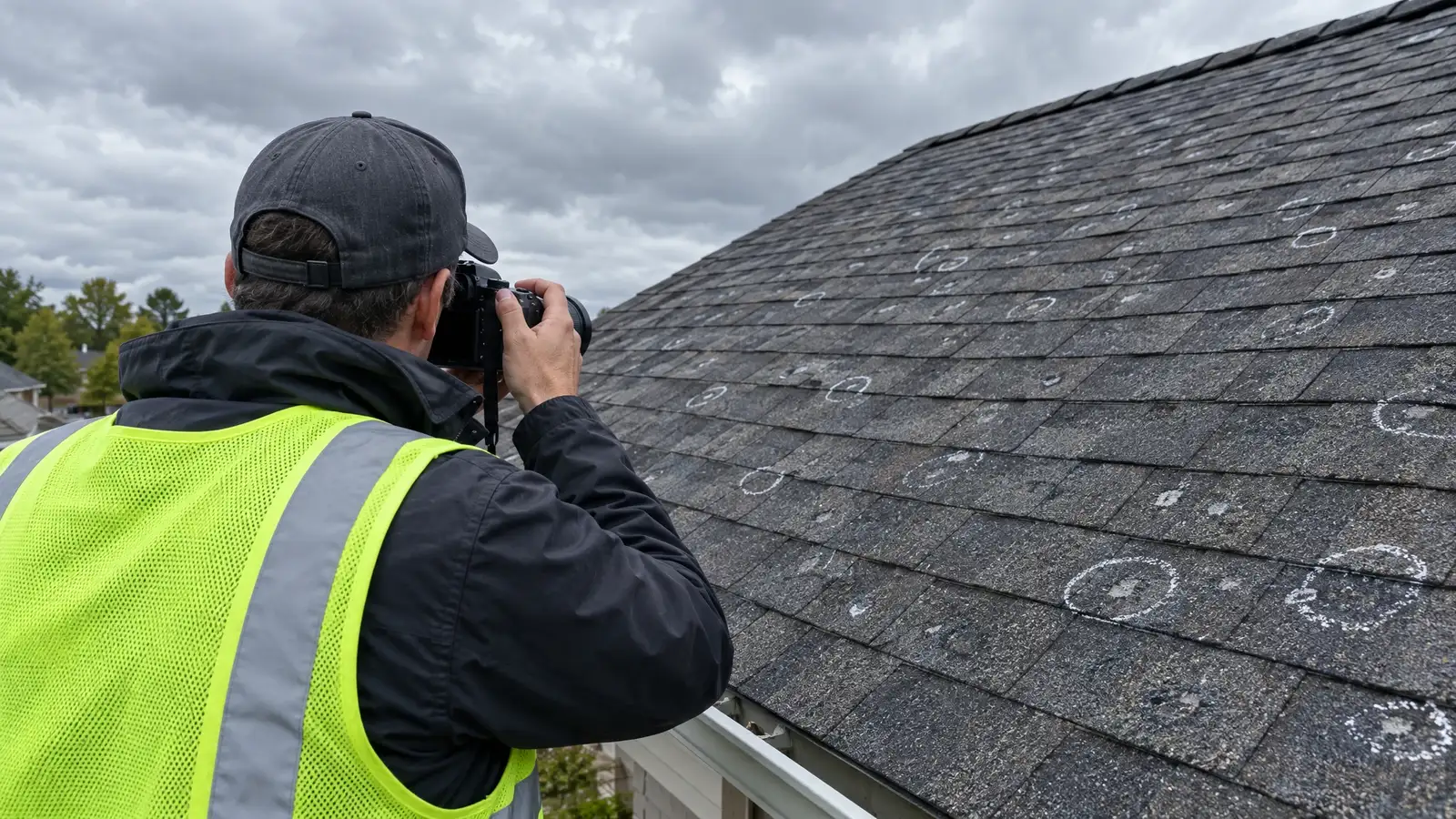
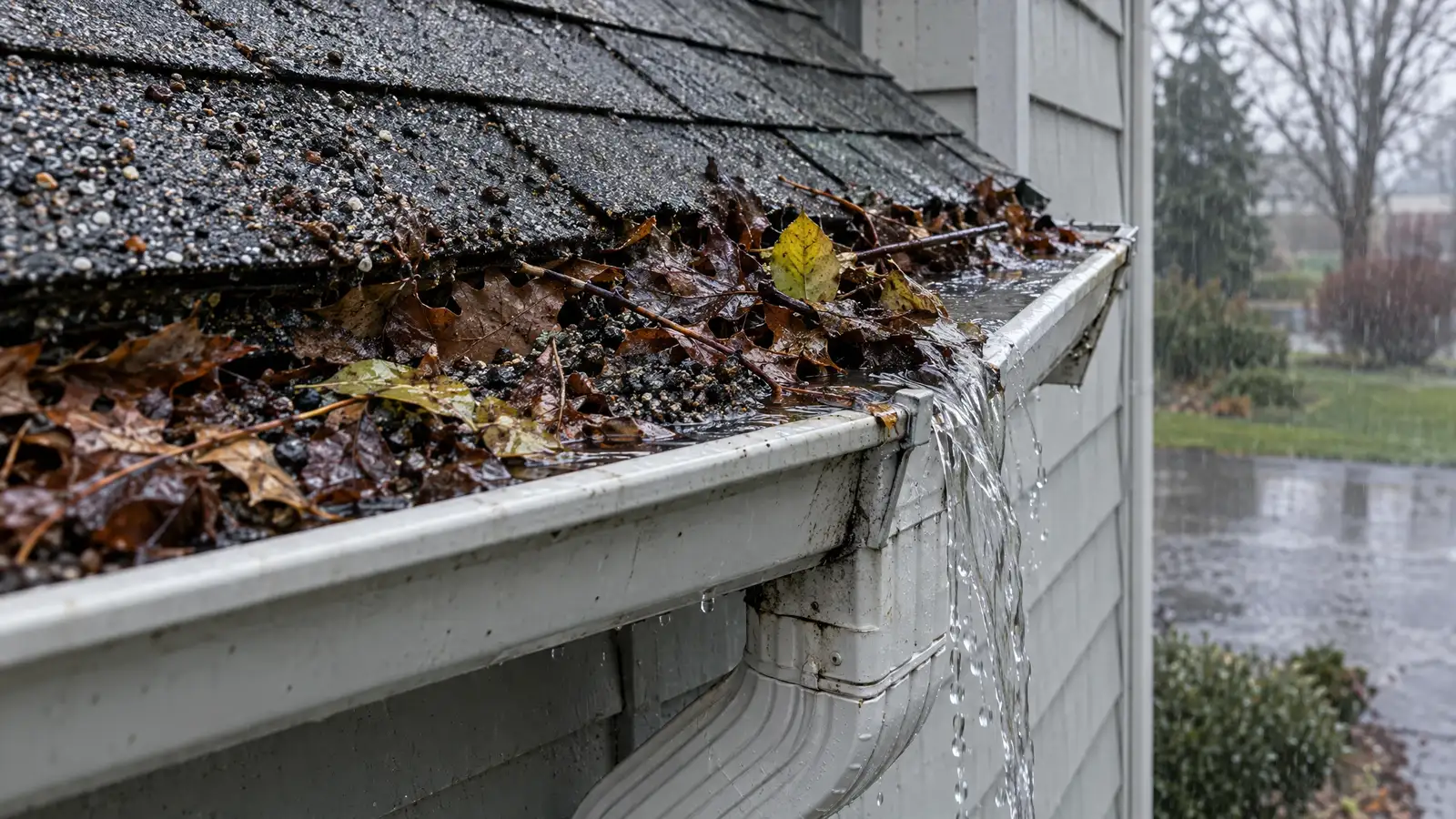
Photograph damage from the ground and gutters and downspouts for dents. Have the roof inspected soon, since hail damage can lead to leaks later. Keep records of dates and storms.
Do not climb a roof to check.
Beware of pressure
After big storms, door-to-door sales can be aggressive. Take your time, verify credentials and get documented findings first.
A neutral inspection helps you make decisions.
General information, not engineering, legal, insurance or safety advice. Roofs, policies and local requirements vary, and every roof should be judged on its own condition.